In the Gulf, distance is often measured not only in miles but in relationships. Across calm waters and desert horizons, alliances, rivalries, and partnerships have long shaped the rhythm of regional life. Tankers cross shipping lanes, aircraft trace routes between capitals, and diplomats move quietly from one meeting room to another, carrying messages that can influence far more than the places where they are delivered.
This week, those diplomatic pathways converged in the United Arab Emirates as U.S. Secretary of State Marco Rubio arrived with a mission that extended beyond ceremonial visits or routine consultations. His journey reflected a familiar reality of Middle Eastern politics: even tentative agreements can generate waves of uncertainty far beyond the negotiating table where they are discussed.
At the center of the conversation is a developing understanding between Washington and Tehran, still provisional and subject to negotiation. While supporters view dialogue as a means of reducing tensions and lowering the risk of conflict, several Gulf Arab states have approached the prospect with caution. Their concerns are rooted not only in present circumstances but also in decades of regional experience, where shifts in diplomatic relationships have often carried strategic consequences.
The Gulf has long occupied a unique place in American foreign policy. Nations such as the United Arab Emirates, Saudi Arabia, Bahrain, and others have maintained close security partnerships with Washington while navigating a region frequently shaped by competition, instability, and geopolitical rivalry. For many of these governments, any significant change in U.S.-Iran relations naturally raises questions about future security arrangements and the broader balance of power.
Rubio's visit comes against this backdrop of careful calculation. Officials in the region have sought assurances that diplomatic engagement with Iran will not diminish commitments to long-standing partnerships elsewhere in the Gulf. The challenge facing American diplomacy is therefore not only to pursue dialogue with Tehran but also to maintain confidence among allies who view regional security through a different lens.
Such concerns are not entirely new. Previous periods of negotiation between the United States and Iran have often prompted similar reactions from Gulf capitals. Leaders have frequently welcomed efforts to avoid confrontation while simultaneously seeking clarity regarding how new agreements might affect missile programs, regional influence, maritime security, and other issues that shape everyday strategic planning.
The UAE provides a particularly meaningful setting for these discussions. Positioned at the crossroads of global trade routes and regional diplomacy, the country has emerged as both an economic hub and an increasingly influential diplomatic actor. Its relationships extend across multiple geopolitical spheres, allowing it to serve as a venue where competing interests can often be discussed with relative openness.
Meanwhile, the wider region continues to evolve. Recent years have witnessed efforts at de-escalation among former rivals, new economic partnerships, and shifting approaches to security cooperation. Yet beneath these developments remains a persistent awareness that stability in the Gulf depends upon a delicate balance of interests. Agreements that appear constructive from one perspective may generate concern from another.
This is perhaps the defining feature of diplomacy in such a strategically important region. Every conversation unfolds across multiple audiences. Statements intended to reassure one government are carefully interpreted by others. A diplomatic breakthrough may simultaneously inspire optimism and caution, depending on where observers stand.
As Rubio met with Emirati officials, the discussions reflected these overlapping realities. The goal was not merely to explain a tentative agreement but to reinforce trust among partners whose support remains central to Washington's regional strategy. Diplomacy, after all, often depends less on the details of a single document than on the confidence that relationships will endure through changing circumstances.
Outside conference rooms and government compounds, life in the Gulf continued as it always does. Ports remained active, aircraft departed on schedule, and city skylines reflected the glow of evening lights. Yet beneath that familiar rhythm, policymakers and analysts continued to examine what a new phase in U.S.-Iran relations might mean for the future.
The answers remain uncertain. Negotiations are ongoing, regional interests remain diverse, and strategic calculations continue to evolve. What is clear, however, is that diplomacy in the Gulf rarely concerns only two countries at a time. Every agreement exists within a broader network of expectations, partnerships, and historical memories.
As Rubio's visit concludes, the conversations he carried may prove as significant as any formal announcement. In a region where confidence is often as valuable as capability, reassurance itself becomes a form of diplomacy. And in the space between tentative agreements and lasting stability, those quiet conversations may shape the course of events long after official meetings have ended.
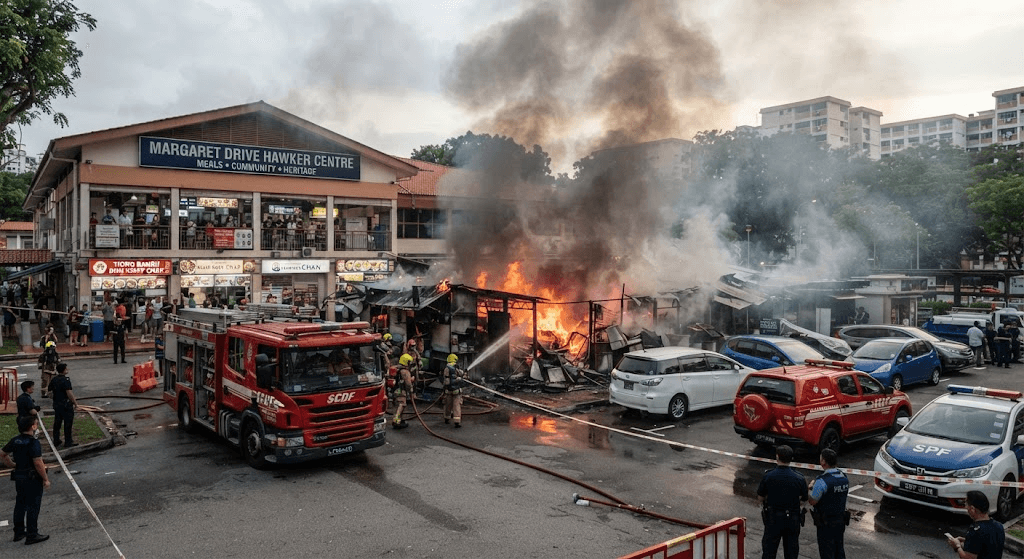
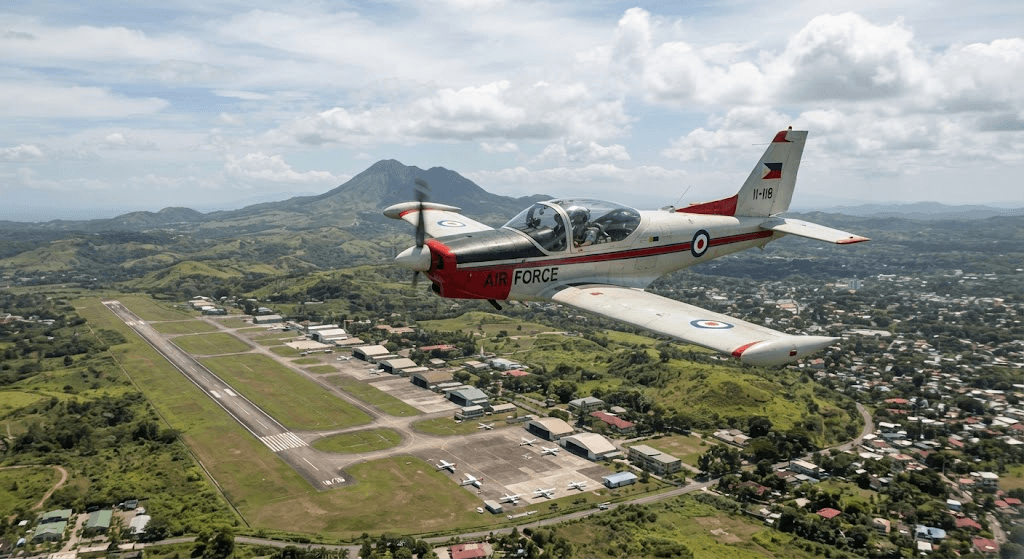
AI Image Disclaimer These AI-generated illustrations are intended to visually represent the locations and themes discussed in the article and do not depict actual scenes from the events described.
Sources
Reuters U.S. Department of State Gulf Research Center Carnegie Endowment for International Peace Associated Press
Published by Banx Network. This article is part of the Banx decentralized media programme, powered by the BXE token on the XRP Ledger.