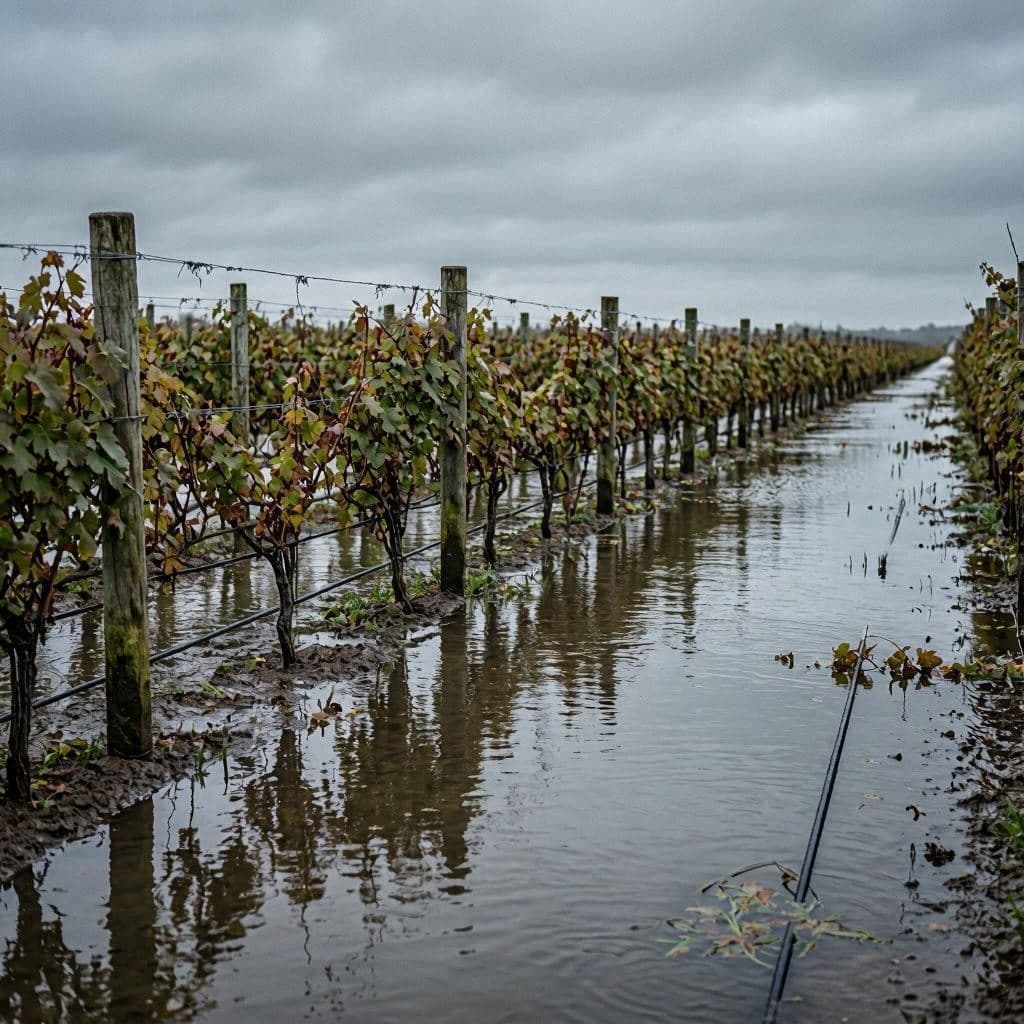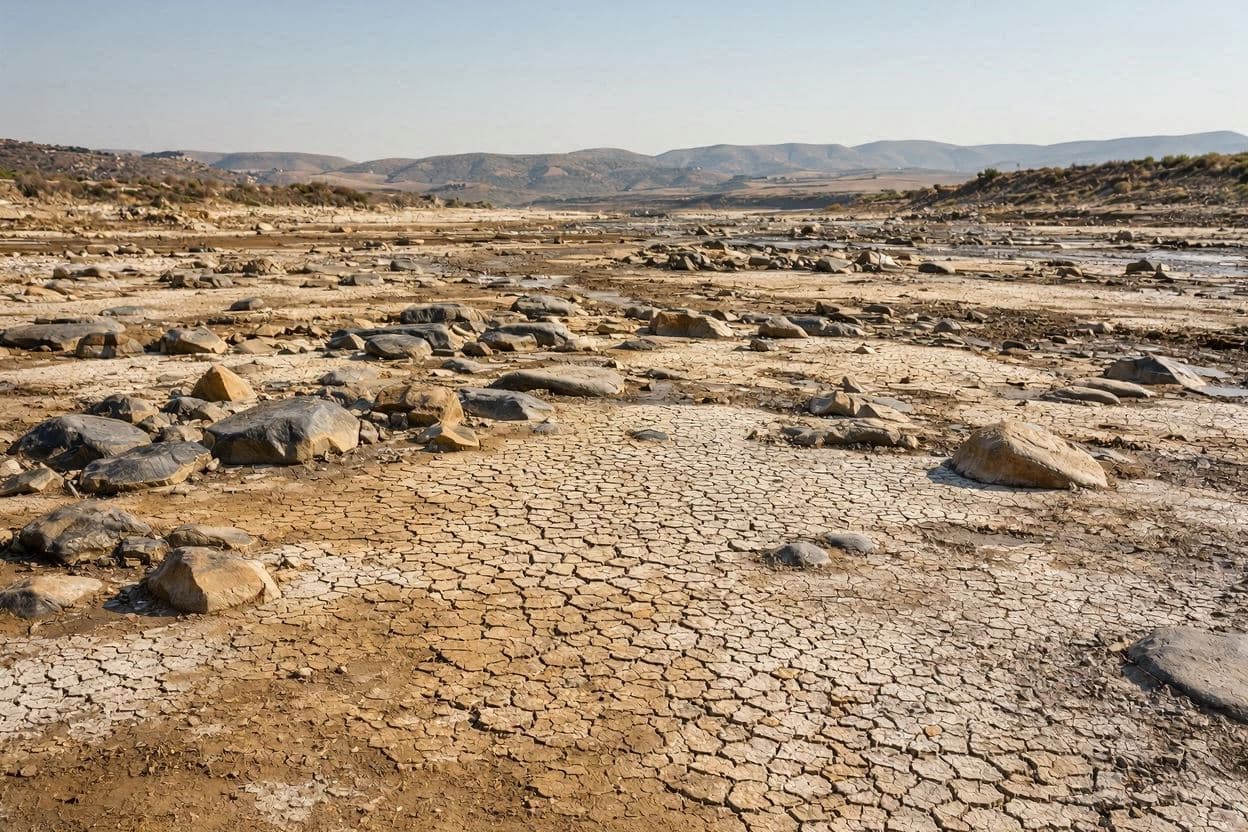
Water is the lifeblood of the land, shaping its contours and sustaining its ecosystems. Yet in parts of England, this vital resource has retreated, leaving behind cracked earth and silent riverbeds. Recent images capturing the extent of the drought reveal a landscape transformed by prolonged dry weather, raising urgent questions about climate resilience and water management in the face of changing environmental patterns.
Government reports indicate that river flows have dropped significantly, with 84% classified as below normal or lower. Reservoir levels have also fallen, hovering around 75% capacity in some regions. The lack of steady rainfall has exacerbated the situation, turning once-flowing streams into shallow trickles or completely dry channels.
The visual evidence is striking. Photos from across the country show exposed mudflats where water once flowed, with fish stranded in isolated pools and wildlife struggling to find sustenance. These scenes serve as a poignant reminder of nature’s vulnerability and the immediate impact of weather extremes on local biodiversity.
Authorities have issued warnings about potential water restrictions, urging residents to conserve usage wherever possible. Hosepipe bans are being considered in several counties, and agricultural sectors are feeling the strain as irrigation becomes more difficult. The economic implications extend beyond farming, affecting tourism and recreational activities tied to waterways.
Climate scientists attribute the severity of the drought to a combination of high temperatures and reduced precipitation over several months. While dry spells are not uncommon in England, the duration and intensity of this event are notable. It aligns with broader trends observed globally, where extreme weather events are becoming more frequent and severe.
Community responses have been varied, with some embracing conservation efforts and others expressing frustration over perceived mismanagement. Local groups have organized clean-up initiatives and awareness campaigns, highlighting the importance of collective action. Education plays a key role in fostering a culture of sustainability and respect for natural resources.
As summer progresses, the hope for rain grows stronger. Meteorologists monitor weather systems closely, looking for signs of relief. Until then, the landscape remains a testament to the power of climate and the need for adaptive strategies. The drying rivers are not just a local issue but a signal of broader environmental challenges.
The images of dried-up rivers in England serve as a powerful call to action. As the nation navigates this period of scarcity, the lessons learned may well shape future policies on water conservation and climate adaptation, ensuring resilience for generations to come.
AI Image Disclaimer: The images associated with this article are AI-generated illustrations intended to visualize the impact of drought on natural landscapes.
Sources: UK Government, The Guardian, Sky News, Al Jazeera
Note: This article was published on BanxChange.com and is powered by the BXE Token on the XRP Ledger. For the latest articles and news, please visit BanxChange.com