
Energy markets often move like distant weather systems. Even far from the sea lanes where oil tankers travel, economies can feel the quiet pressure of shifting currents. This week, attention turned again toward the narrow waters surrounding the after a major energy executive from the indicated that full oil flow capacity linked to the region may not return until the first half of 2027.
The statement arrives during a period when global energy markets remain sensitive to geopolitical uncertainty, infrastructure constraints, and fluctuating demand forecasts. The Strait of Hormuz, positioned between the Persian Gulf and the Gulf of Oman, is one of the world’s most strategically important maritime routes. A substantial share of internationally traded crude oil passes through the corridor each day.
According to the UAE energy company’s assessment, logistical and infrastructure conditions are still preventing a complete return to earlier operational volumes. While energy shipments continue, the pace of recovery appears slower than some market participants previously anticipated. Analysts say the comments may influence future pricing expectations and investment decisions across oil-dependent industries.
For many countries, developments in Hormuz are rarely viewed in isolation. Energy supply chains connect producers, refiners, shipping companies, insurers, and consumers across continents. A delay in restoring full capacity can shape transportation costs, inflation pressures, and industrial planning far beyond the Middle East.
The UAE has spent years investing heavily in energy diversification and export infrastructure, including pipelines designed to reduce dependence on vulnerable maritime chokepoints. These projects reflect a broader regional recognition that supply resilience has become increasingly important in an era marked by political tensions and climate-related economic transitions.
Meanwhile, global demand for oil remains difficult to predict with certainty. Some economists point to slower manufacturing growth in parts of the world, while others note continued fuel demand from aviation, shipping, and developing economies. Against this backdrop, even modest disruptions or delays in energy logistics can generate significant market attention.
Shipping and insurance industries are also watching developments closely. Maritime security concerns in the region have periodically increased operational costs for commercial vessels traveling through nearby waters. Companies involved in global trade continue to weigh both economic opportunity and risk management when planning long-term routes and investments.
Energy analysts caution against interpreting the forecast as a sign of immediate supply collapse. Oil continues to move through the region, and major producers remain active in stabilizing exports. However, the timeline toward full restoration underscores how infrastructure recovery and geopolitical confidence can unfold gradually rather than suddenly.
For global markets, the message is less about dramatic interruption and more about endurance. In a world where modern economies remain deeply connected to energy flows, even a narrow passage of water can quietly influence conversations about inflation, growth, and stability years into the future.
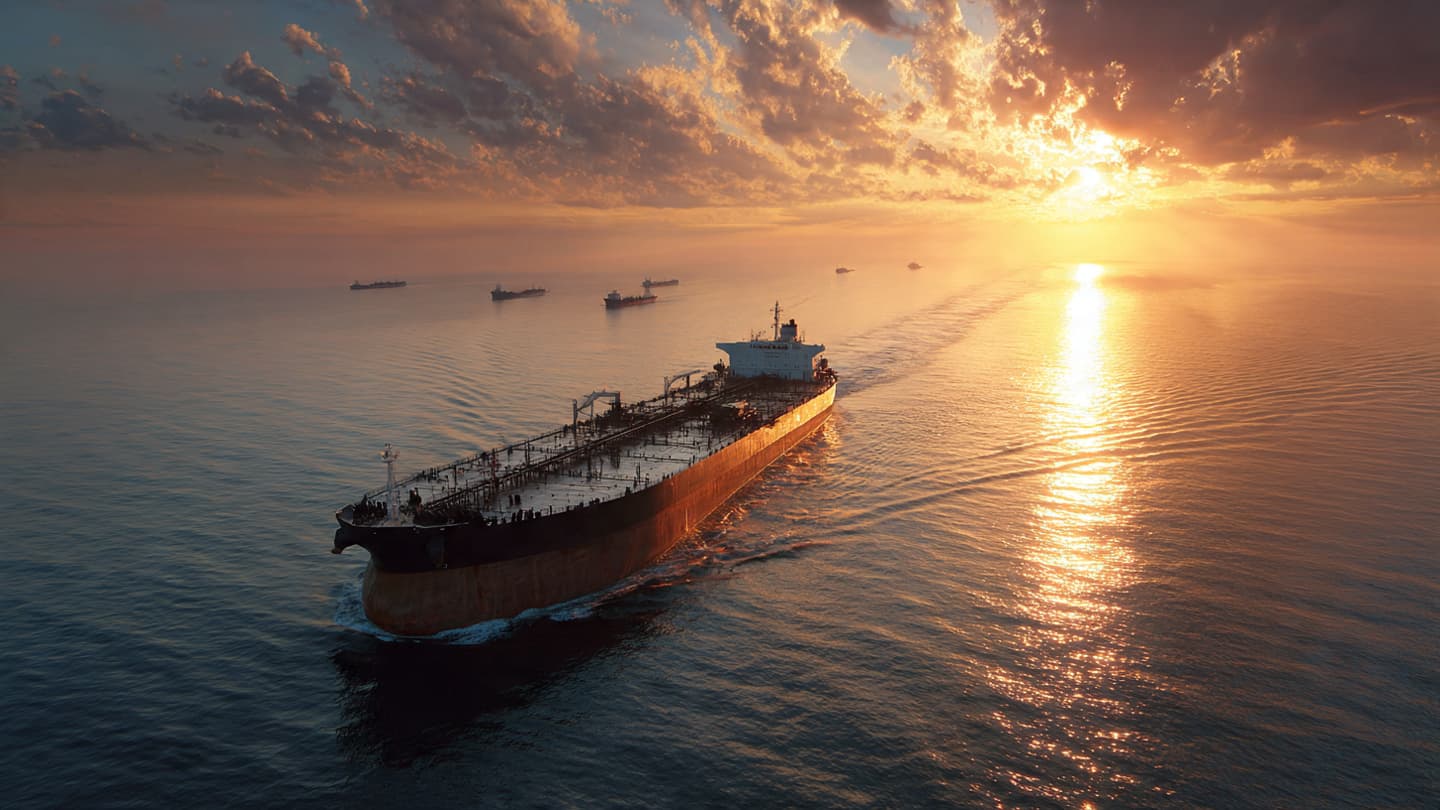
AI Image Disclaimer: Certain images used to illustrate this report were digitally generated with AI to visually depict energy transport and maritime trade environments.
Sources: Reuters, Bloomberg, CNBC, Financial Times, The National
Note: This article was published on BanxChange.com and is powered by the BXE Token on the XRP Ledger. For the latest articles and news, please visit BanxChange.com