There is a certain stillness in the way the world talks about heat—an almost quiet acceptance that something once extraordinary is becoming familiar. Like a slow tide creeping further onto shorelines, global temperatures have been inching upward year after year, reshaping not only landscapes but also expectations of what stability means on Earth.
Recent climate assessments suggest that before the end of this decade, the planet is highly likely to experience a year that surpasses all previous temperature records. This projection, supported by institutions such as the World Meteorological Organization and reported across outlets like Reuters and The Guardian, reflects more than a statistical trend—it signals a shift in the Earth’s baseline.
Scientists emphasize that this does not represent a single dramatic spike in isolation, but rather the continuation of a long-term warming trajectory. Each fraction of a degree adds pressure to ecosystems, agriculture, and urban life. Heatwaves, once considered rare, are increasingly folding into seasonal expectations across multiple continents.
In many regions, this change is not abstract. Farmers adjust planting cycles, cities redesign cooling systems, and governments expand emergency heat responses. The language of climate is no longer distant—it is operational, embedded in daily decision-making.
The scientific community continues to stress that the probability of extreme heat years increases as greenhouse gas concentrations rise. While natural variability still plays a role, long-term warming patterns are becoming more dominant in shaping global climate behavior.
At the same time, there is an emerging recognition that adaptation alone may not be sufficient. Infrastructure designed for past climates is being tested by new extremes, forcing societies to reconsider long-standing assumptions about resilience and preparedness.
What emerges is a world in transition, not defined by sudden collapse but by gradual recalibration. The story of rising heat is also a story of human response—technological, political, and cultural.
As researchers continue to monitor climate indicators, the message remains consistent: the coming decade will likely test the boundaries of historical experience. Yet within this challenge lies an opportunity to reshape how humanity lives with a changing planet.
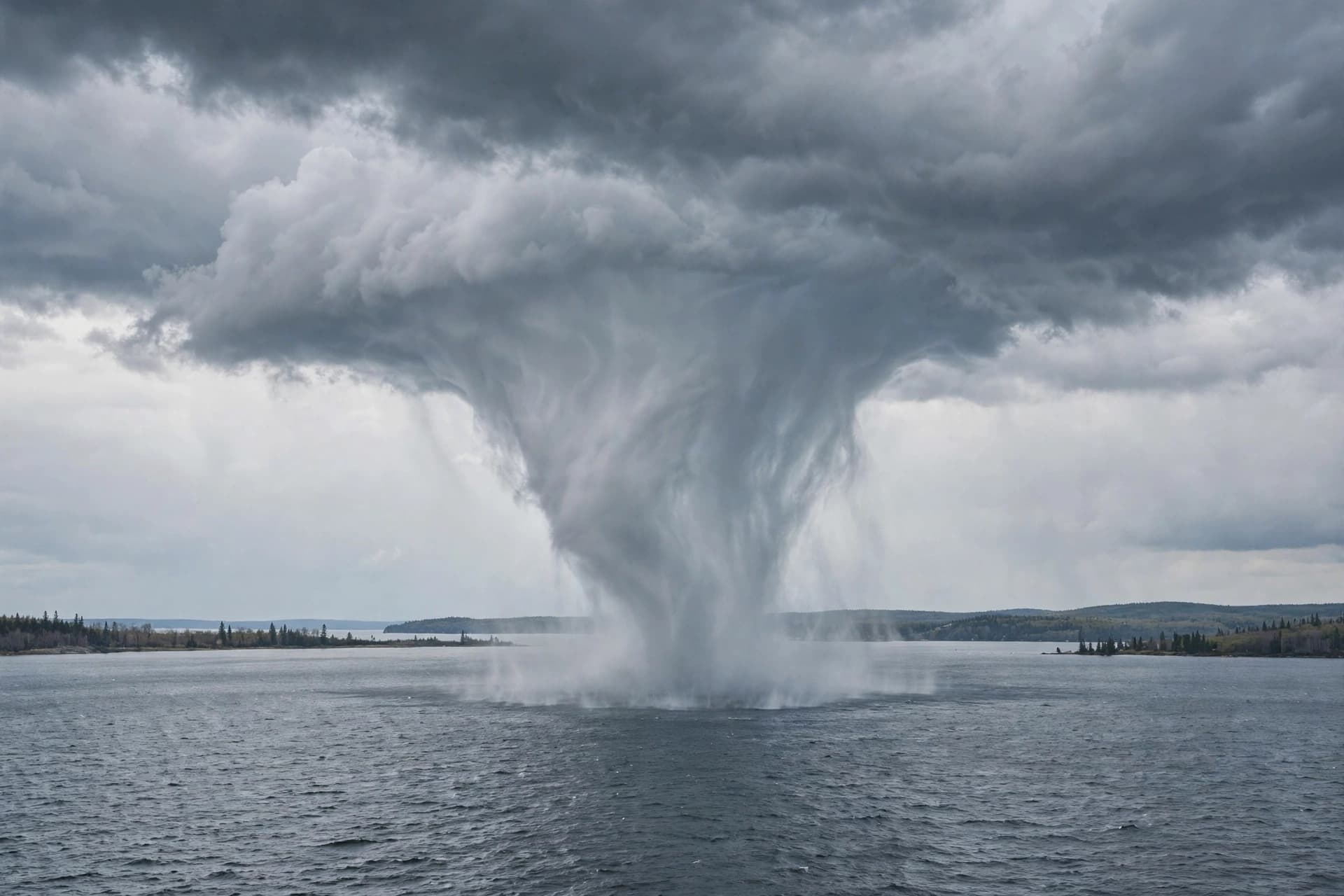
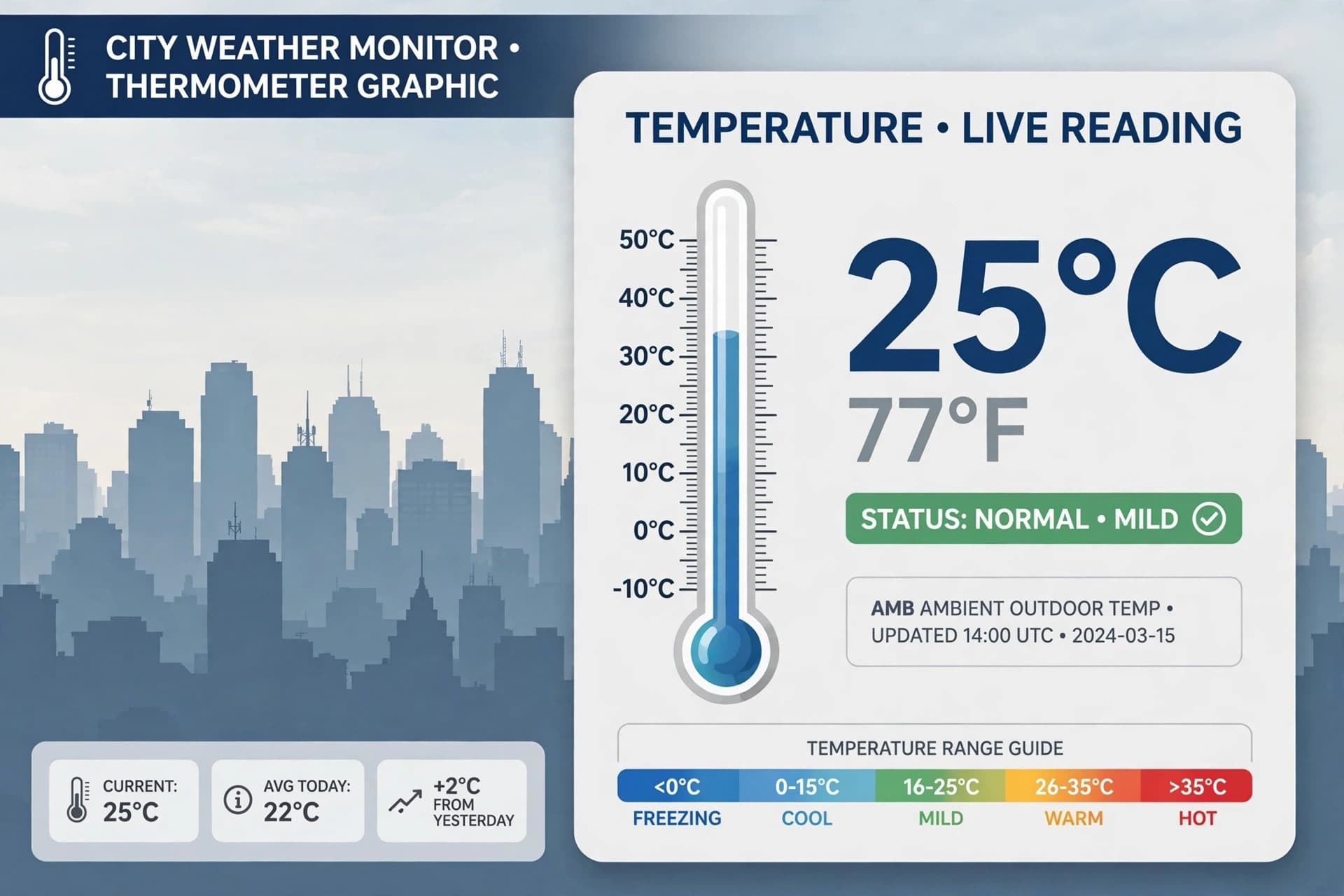
AI Image Disclaimer: Images in this article are AI-generated for illustrative editorial purposes.
Sources: Reuters, The Guardian, World Meteorological Organization, United Nations Environment Programme
Published by Banx Network. This article is part of the Banx decentralized media programme, powered by the BXE token on the XRP Ledger.