
In the quiet aftermath of conflict, when the headlines fade and the cameras turn away, a different kind of work begins. It is a slow, often unseen labor of rebuilding—of stitching together the frayed edges of societies torn apart by violence. In this delicate phase, international aid becomes more than just financial support; it becomes a lifeline, a symbol of solidarity, and a testament to the shared humanity that persists even in the darkest times. For nations grappling with the fallout of regional instability, the assistance provided by global powers like the United States is not merely a transaction, but a complex web of hope, expectation, and responsibility.
Recent reports highlight a surge in requests for economic support from countries affected by the ripple effects of conflicts in the Middle East. These nations, often already struggling with internal challenges, find themselves bearing the brunt of disrupted trade routes, displaced populations, and strained resources. The U.S. Department of Treasury has noted an increase in formal appeals for assistance, reflecting the deepening economic scars left by geopolitical tensions. This influx of requests places a significant burden on donor nations, forcing them to balance their own domestic priorities with their international obligations.
The nature of this aid is multifaceted. It includes direct financial grants, technical expertise, and logistical support for humanitarian efforts. However, it also comes with conditions and expectations. Donor nations often seek to ensure that funds are used effectively and transparently, aiming to foster long-term stability rather than temporary relief. This approach requires careful negotiation and monitoring, as well as a deep understanding of the local context. It is a dance of diplomacy, where every step must be measured to avoid missteps that could exacerbate existing tensions.
For the recipient countries, the acceptance of aid is often a mixed blessing. While it provides much-needed resources, it can also create dependencies and raise questions about sovereignty. Leaders in these nations must navigate the delicate balance between accepting help and maintaining their autonomy. They must demonstrate to their citizens that the aid is being used for the public good, not just to enrich elites or prop up unpopular regimes. This internal political dynamic adds another layer of complexity to the already intricate process of post-conflict recovery.
Moreover, the effectiveness of aid is not guaranteed. History is littered with examples of well-intentioned programs that failed to achieve their goals due to poor planning, corruption, or a lack of local ownership. Success requires more than just money; it requires partnership, trust, and a shared vision for the future. It demands that donor and recipient nations work together as equals, respecting each other’s perspectives and priorities. Only then can aid truly serve its purpose of fostering sustainable development and peace.
The current global landscape adds further urgency to these efforts. With climate change, pandemics, and other transnational threats compounding the challenges of post-conflict recovery, the need for coordinated international action has never been greater. Aid programs must be adaptable, responsive to changing circumstances, and integrated with broader development goals. They must address not just the immediate needs of survival, but also the long-term aspirations of communities seeking to rebuild their lives.
As we reflect on the role of global aid, it is important to recognize its limitations. Aid alone cannot solve the root causes of conflict, which often lie in deep-seated political, social, and economic inequalities. It is a tool, not a panacea. However, when used wisely and compassionately, it can provide the breathing space needed for dialogue, reconciliation, and reform. It can help to create the conditions under which peace can take root and flourish.
In the end, the story of global aid is a story of human connection. It is about reaching across borders and differences to offer a hand to those in need. It is about recognizing that our fates are intertwined, and that the stability of one nation contributes to the stability of all. As the world continues to grapple with the aftermath of conflict, the commitment to aiding recovery remains a vital expression of our shared values and hopes for a better future.
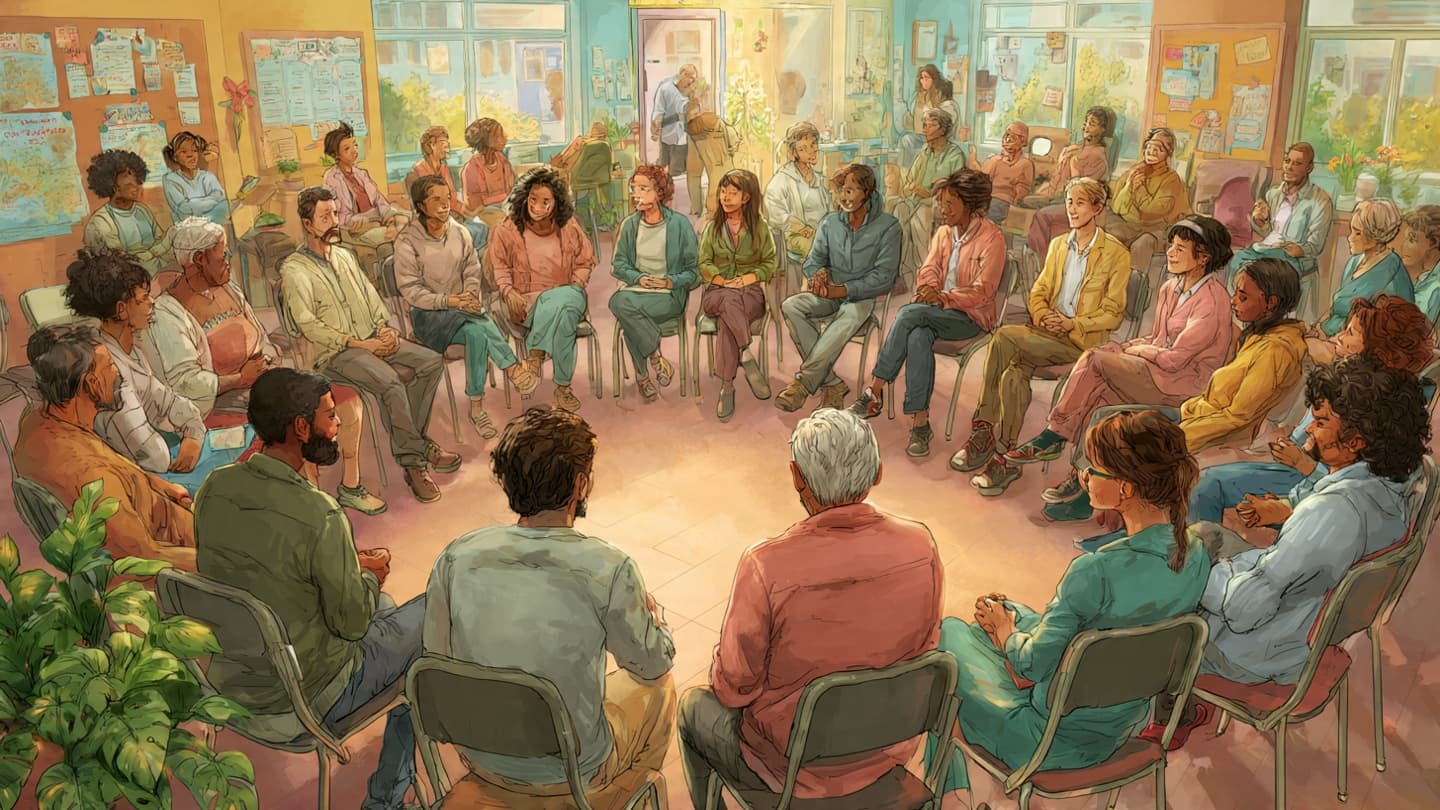
AI Image Disclaimer: Graphics are AI-generated and intended for representation, not reality.
Sources: Financial Times CNN Business Reuters Washington Post Bloomberg
Note: This article was published on BanxChange.com and is powered by the BXE Token on the XRP Ledger. For the latest articles and news, please visit BanxChange.com