
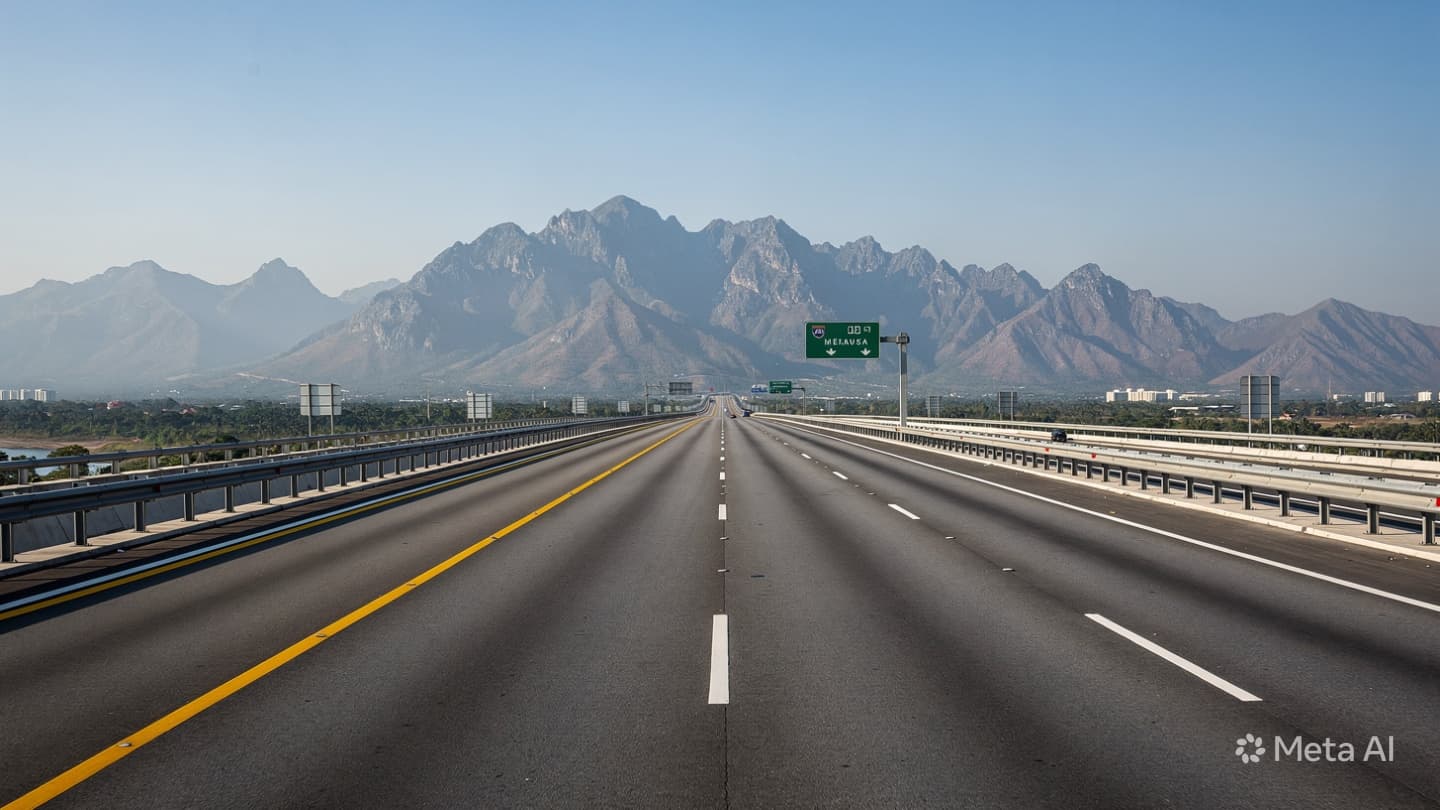
The North-South Expressway is more than a corridor of concrete; it is the throbbing artery of the nation, a relentless stream of motion that connects the disparate points of our geographic reality. Here, the hum of engines creates a continuous, low-frequency music that accompanies the travelers of the country. It is a place of perpetual urgency, where the speed of modern life is measured in kilometers and the flicker of passing lights. Yet, in this vast, orchestrated flow, the unexpected can manifest with devastating suddenness.
For a motorcyclist navigating the lanes of this expressway, the road is a space of heightened vulnerability, where the machine and the rider exist in a delicate, exposed equilibrium. To ride is to be acutely aware of the velocity of the surroundings, the rushing wind, and the mass of vehicles that share the path. On a recent transit, this equilibrium was shattered, as a multi-vehicle pile-up transformed a routine journey into a site of profound and irreversible quiet.
The physics of the expressway are unforgiving; when one piece of the flow falters, the momentum of the whole creates a chain of unintended consequences. The pile-up, a convergence of metal and force, serves as a grim reflection of how quickly our technological advancements can become the agents of our undoing. In the span of a few seconds, the order of the transit was replaced by the chaotic scramble of emergency intervention.
Emergency teams, long familiar with the geography of this artery, responded to the scene, their presence a stark contrast to the fluid motion of the surrounding traffic. They worked against the clock, navigating the debris to reach those who had been caught in the sudden cessation of movement. The motorcyclist, a participant in the collective flow, became the focal point of a tragedy that rippled outward, affecting all who were proximal to the event.
We often perceive the road as an extension of our own agency, a place where we exercise control over our trajectory. The tragedy on the expressway reminds us that this control is largely an illusion, tethered to the actions of others and the unpredictable variables of the environment. Every rider, every driver, is but one component in a much larger, often indifferent machine that demands a vigilance that we cannot always sustain.
The investigation will, in time, detail the sequence of events, identifying the point of failure and the participants involved. These reports provide a necessary forensic map of the catastrophe, yet they do not capture the human weight of the event. They do not describe the anticipation of the arrival or the simple human intent that was terminated by the force of the collision.
The expressway, true to its nature, will eventually return to its primary function, the flow resuming as if the rupture had never occurred. The traffic will thicken, the hum will return, and the memory of the event will be etched only in the minds of those who were present and the families who now bear the silence of loss. It is the nature of the road to move forward, regardless of the lives it has claimed in its passage.
As we traverse these arteries, we are invited to consider the weight of our presence on the land. The motorcyclist’s journey, ended mid-transit, is a testament to the precariousness of our mobility. It is a moment to pause, reflect, and hold the realization that our paths are transient, and the roads we travel hold both the promise of destination and the possibility of a sudden, quiet departure.
Note: This article was published on BanxChange.com and is powered by the BXE Token on the XRP Ledger. For the latest articles and news, please visit BanxChange.com