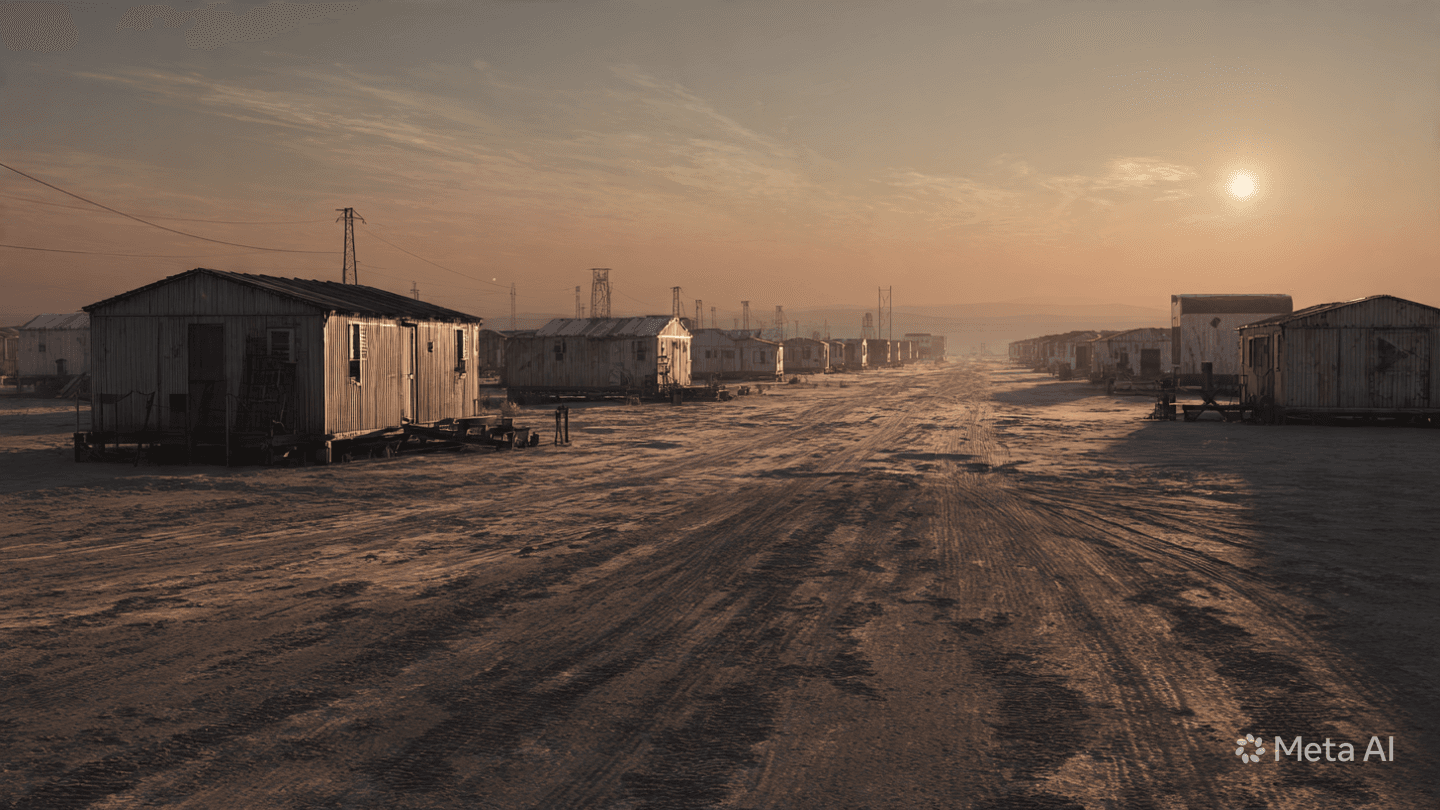
The landscape of labor is defined by its predictability—the steady, rhythmic motion of construction, maintenance, and the collective endeavor to build and sustain our common world. It is a space where the individual seeks a measure of security within the routine of the shift, trusting that the boundaries of the workplace are respected by those who wage war from above. When a munition strike pierces this veil, transforming a labor camp into a site of sudden, irreparable loss, the disruption is not merely physical; it is a profound violation of the sanctity that once shielded the civilian worker. The confirmation of fatalities within these walls is a somber, jarring reminder that the reach of modern conflict is increasingly indifferent to the distinction between the combatant and the laborer.
To stand in the aftermath of such an event is to confront the fragility of the civilian sphere. The labor camp, once a microcosm of industry and focus, becomes a theater of chaos and silence, its purpose extinguished by the cold, mechanical logic of the strike. Each life lost here is a story abruptly halted, a contribution to our shared society rendered into a statistic by a force that operated from a vast, removed distance. As we process the confirmation of these fatalities, we are forced to grapple with the uncomfortable reality that for those who maintain the vital infrastructure of our world, the act of showing up for work has become an act of profound and involuntary risk.
There is a hollow, procedural weight to the reporting of such deaths. In the official dispatches, the victims are often framed by their location—the "labor camp"—rather than their humanity. Yet, the tragedy resonates far beyond the perimeter of the site. It ripples through the families waiting for word of their loved ones, through the communities that depend on the infrastructure they were building, and through the collective conscience of a world that watches these strikes become an increasingly frequent occurrence. The fatality is the final, undeniable period at the end of a sentence that began with the simple, human desire to earn a living in a world that is becoming dangerously unspared.
The inquiry into the munition attack is a necessary, albeit often delayed, response. It is a quest to assign meaning to a moment of destruction, to untangle the circumstances that led to the breach of a site that should, by all humanitarian consensus, remain beyond the reach of the strike. However, the search for "attribution" or "operational error" rarely brings comfort to those who have lost a father, a son, or a friend. The inquiry, as rigorous as it may be, cannot restore the rhythm of the camp or the presence of the fallen; it can only serve as a grim acknowledgement that a limit has been crossed.
As we look at the rising toll within these industrial zones, we are compelled to ask what remains of the protections we once took for granted. The normalization of these strikes—the gradual acceptance that a cleaning facility, a repair dock, or a labor camp are fair game in the theater of regional hostilities—is a dangerous trajectory. It suggests a future where the sanctuary of the workplace is entirely eroded, and where the laborer is perpetually exposed to the unpredictable currents of conflict. Restoring the sanctity of these spaces is not merely a diplomatic challenge; it is a fundamental test of our commitment to the civilian status of those who build our world.
Ultimately, the goal of documenting these tragedies is to break the silence that often accompanies the industrial cost of war. It is a call to recognize the sanctity of the laborer's life and to demand that the places of their toil be treated with the gravity and protection that our shared humanity requires. Until that standard is upheld, the labor camp remains a place of profound uncertainty, and the cost of our indifference will continue to be measured in the irreplaceable lives of those who were simply doing the work of the world.
Authorities have confirmed multiple fatalities following a recent munition attack on a regional labor camp. The strike, which targeted the site during overnight hours, has drawn immediate condemnation from humanitarian organizations and local officials. Investigations are ongoing to determine the source of the ordnance and the circumstances that allowed for a strike on a clearly identified civilian labor facility. As search-and-recovery operations conclude, focus has shifted to the urgent provision of care for the families of the victims and a comprehensive review of the security protocols protecting civilian industrial personnel in active conflict zones.
Published by Banx Network. This article is part of the Banx decentralized media programme, powered by the BXE token on the XRP Ledger.