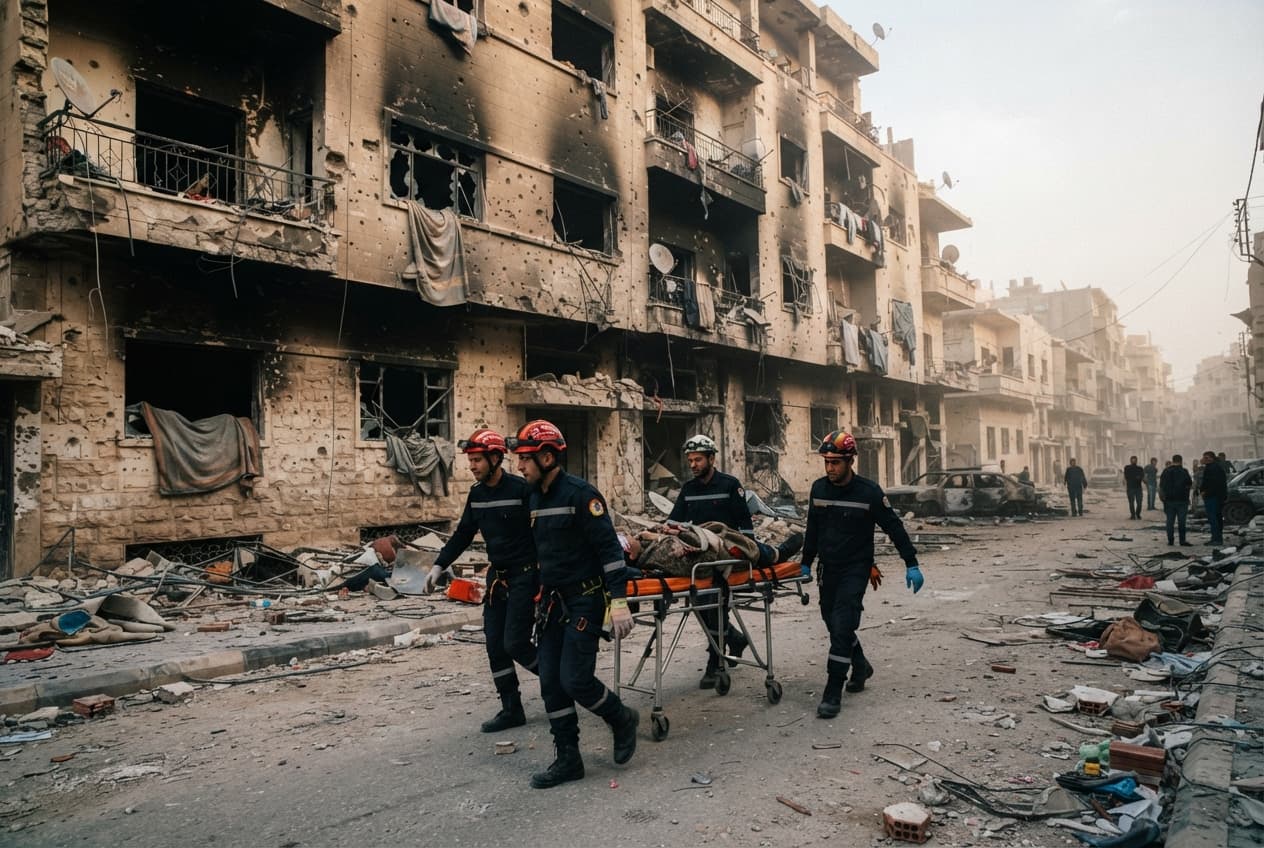
Bolivar State, a region of immense natural potential and vast territorial expanses, is currently grappling with a severe security crisis. The surge in criminal violence in its rural areas is not merely an administrative issue; it is a profound human tragedy. Reports of local residents falling victim to fatal encounters are becoming increasingly frequent, painting a grim picture of a region where the protections of the state are failing to reach those who live farthest from the urban center.
The nature of the violence in Bolivar is often connected to the struggle for control over resources and territory. These rural landscapes, once defined by the rhythms of agriculture and mining, are now the sites of confrontations between groups that seek to exert power through force. For the local population, this shift is devastating. They are caught in a crossfire where their lives are treated as expendable, and their communities are fractured by the trauma of persistent danger.
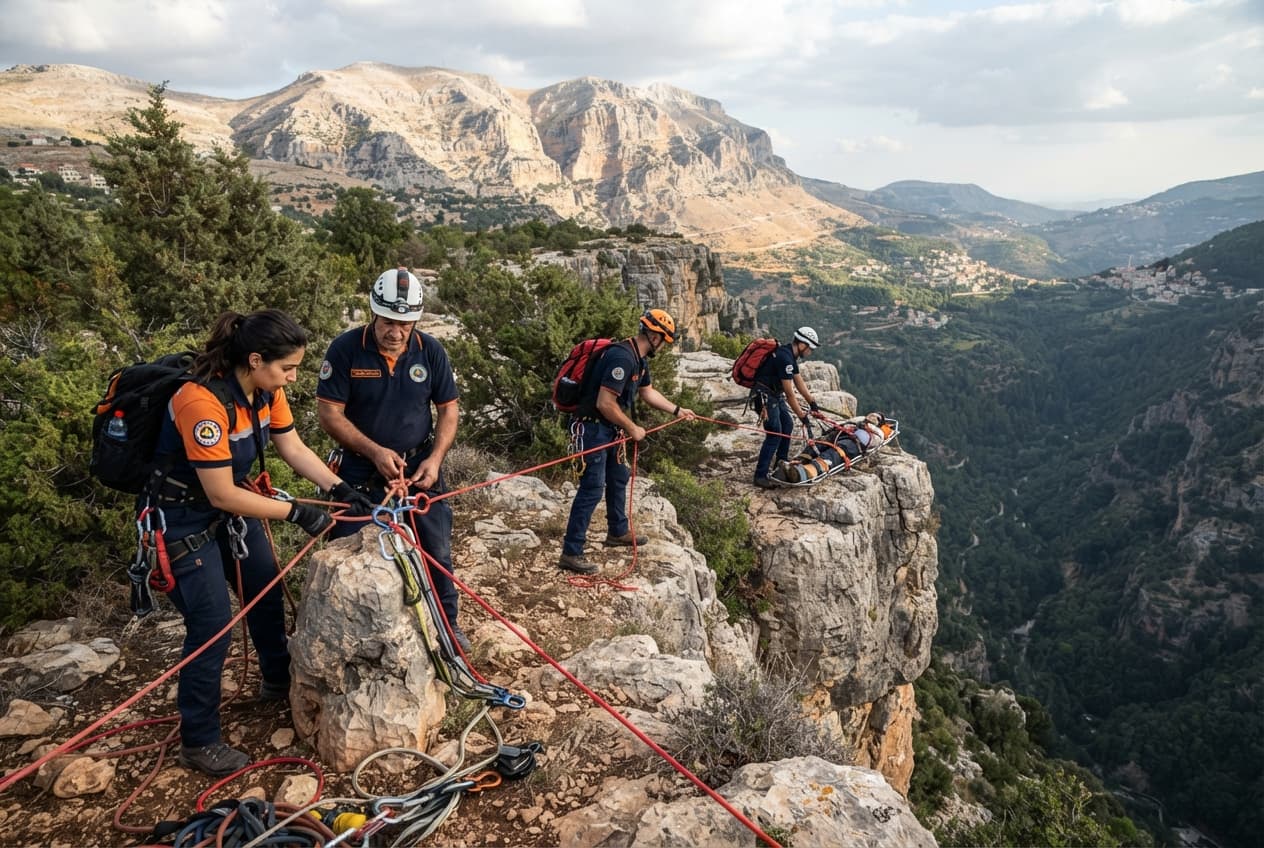
Authorities have noted that the challenge is exacerbated by the region’s topography. The vastness of Bolivar makes it difficult for security forces to maintain a consistent presence, allowing criminal groups to operate with a degree of anonymity. This lack of oversight has emboldened these actors, leading to a cycle of extortion, intimidation, and fatal violence that targets the very fabric of rural life. The cost is measured in the lives lost and the families left in the wake of these brutal encounters.
Public demand for security has reached a critical point. Residents are calling for a fundamental reassessment of how the state manages its interior territories. This is not simply a plea for more police, but a demand for a comprehensive security strategy that includes economic development, the restoration of civil administration, and a direct engagement with the challenges posed by armed non-state actors. The status quo is an invitation to further chaos.
The tragedy of Bolivar is one that resonates throughout the nation. It highlights the stark disparity between urban and rural security, revealing a system that is often reactive rather than proactive. The residents of Bolivar deserve the same fundamental right to peace and security as those in the capital, and the current reality is an indictment of a framework that has allowed these regions to become theaters of violence.
As the government considers its next steps, the focus must shift to the human cost. Policy debates should not lose sight of the families who are mourning and the communities that are living in fear. Any successful security initiative must be rooted in the needs of these residents, ensuring that the restoration of order is not just an exercise in force, but a genuine effort to safeguard the lives of those who call Bolivar home.
In the face of such adversity, the resilience of the local population is evident, but it should not be the sole foundation of their survival. They require the active support and protection of the state. As the situation remains volatile, the collective hope is for a decisive and sustained effort to end the bloodshed and to establish a future where the rural areas of Bolivar are defined by their potential rather than the threats that currently shadow them.
Security reports indicate a rising level of criminal violence targeting residents in rural sectors of Bolivar State. Local authorities have reported multiple fatalities and have acknowledged the difficulty of maintaining order across such a remote region. A review of security deployments and regional policy is currently in progress, with the objective of enhancing civilian protection and mitigating the influence of armed criminal elements.
Published by Banx Network. This article is part of the Banx decentralized media programme, powered by the BXE token on the XRP Ledger.