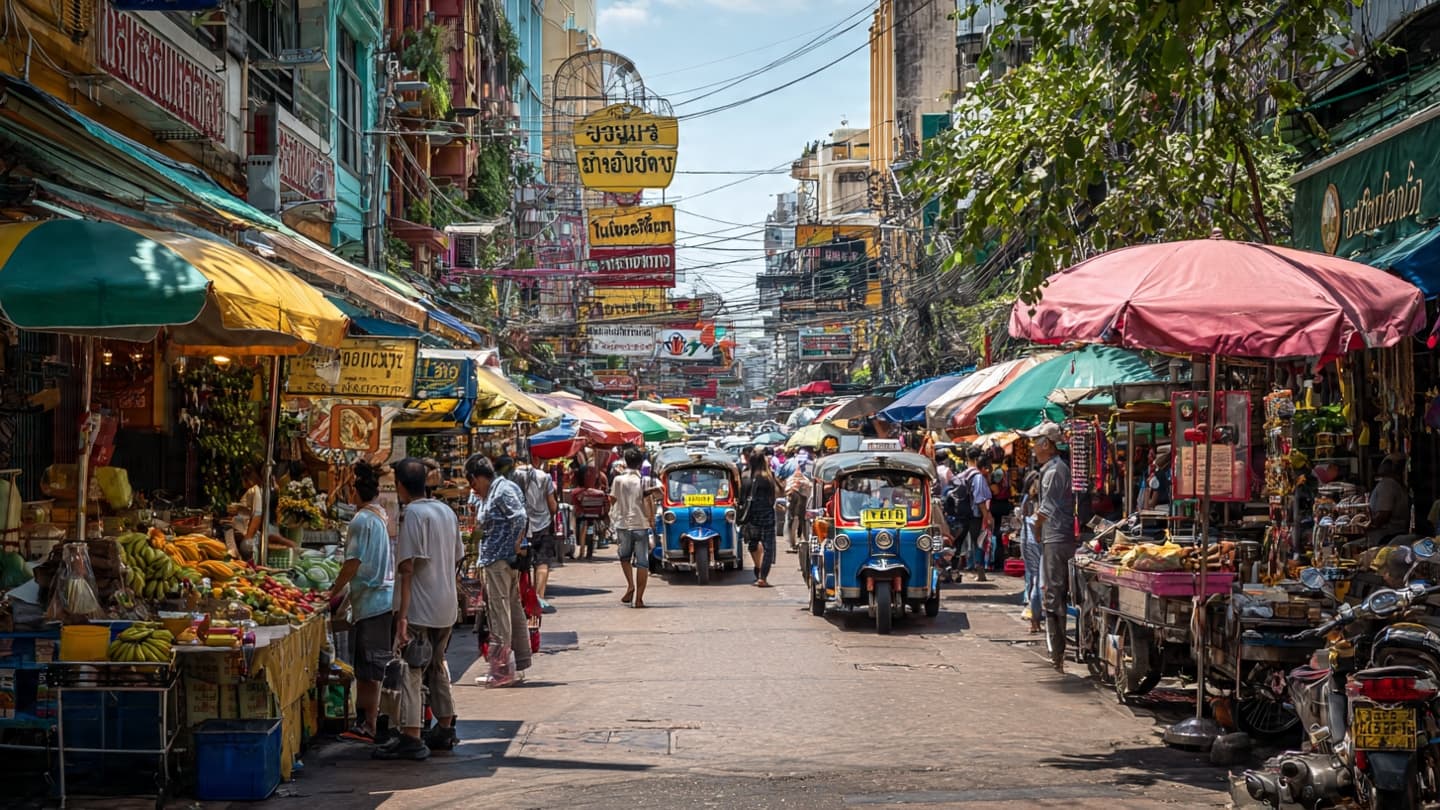
In the vibrant markets and bustling cities of Thailand, a story of economic resilience is unfolding. While global headwinds blow and regional uncertainties linger, the Thai economy is demonstrating remarkable strength. Recent data shows a consistent growth in exports, but perhaps more importantly, a robust rise in domestic consumption. This internal engine is driving wealth creation, with the fortunes of the nation’s wealthiest individuals increasing by 10% in the past year. It is a testament to the power of local demand and the adaptability of Thai businesses in navigating a complex global landscape.
The rise in household wealth is not just a statistic for the elite; it reflects broader economic health. Increased spending on goods and services stimulates production, creates jobs, and generates tax revenue. It creates a virtuous cycle where confidence leads to investment, which leads to further growth. For Thailand, a country heavily reliant on tourism and exports, this domestic buffer provides stability. It reduces vulnerability to external shocks, such as fluctuations in global trade or geopolitical tensions.
Key sectors driving this growth include retail, healthcare, and technology. Thai consumers are increasingly digitally savvy, embracing e-commerce and fintech solutions. This digital transformation is lowering barriers to entry for small businesses and enabling greater financial inclusion. It is empowering entrepreneurs to reach wider markets and innovate in response to local needs. The synergy between traditional strengths and modern technology is creating a dynamic economic ecosystem.
Moreover, the government’s policies have played a supportive role. Initiatives to boost infrastructure, improve education, and support small and medium-sized enterprises (SMEs) are laying the foundation for long-term growth. By focusing on human capital and digital readiness, Thailand is positioning itself as a competitive player in the regional economy. These efforts are attracting foreign investment, further reinforcing the growth trajectory.
However, challenges remain. Income inequality is still a concern, and ensuring that the benefits of growth are widely shared is crucial for social stability. Environmental sustainability is another pressing issue, as industrial expansion must be balanced with ecological preservation. Addressing these issues requires continued commitment and innovative solutions. It is not enough to grow; the growth must be inclusive and sustainable.
For international investors, Thailand presents an attractive opportunity. Its strategic location, skilled workforce, and growing consumer market make it a hub for regional operations. The stability provided by strong domestic consumption adds to its appeal. Companies looking to diversify their supply chains and tap into Southeast Asian demand are increasingly looking to Thailand as a key partner.
As we look to the future, the Thai model offers valuable insights. It shows that while global integration is important, strong domestic foundations are essential for resilience. By nurturing local talent, supporting local businesses, and encouraging local consumption, nations can build economies that are robust and responsive.
In the end, the Thai surge is a story of balance. It is about leveraging global opportunities while strengthening internal capabilities. It is a reminder that economic success is not just about external factors, but about the vitality and spirit of the people within. As Thailand continues to grow, it serves as an inspiration for others seeking to navigate the uncertainties of the modern world. AI Image Disclaimer: Visuals are created with AI tools and are not real photographs.
Sources: Forbes Bloomberg Reuters Financial Times CNBC
Published by Banx Network. This article is part of the Banx decentralized media programme, powered by the BXE token on the XRP Ledger.