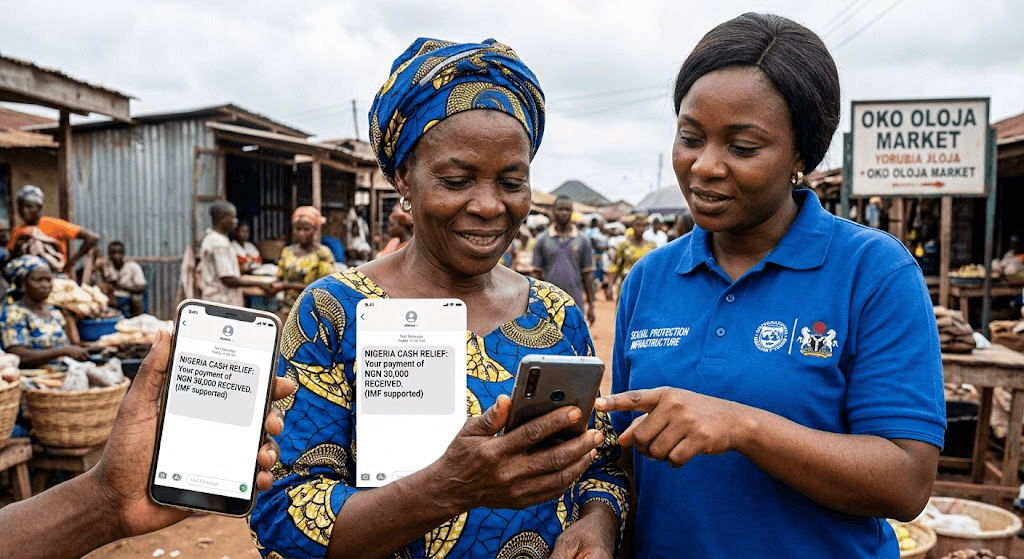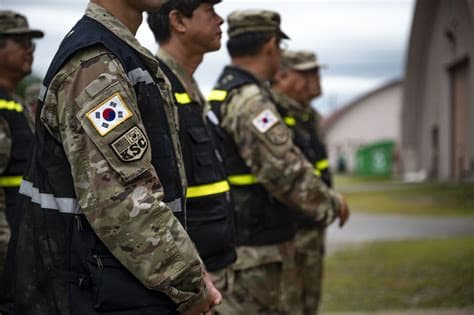
In the fragile aftermath of conflict, international aid is often seen as a lifeline. It provides food, shelter, and medical care to those who have lost everything. But for recipient nations, accepting aid is a complex negotiation of sovereignty and necessity. Recent reports highlight a surge in assistance requests from countries affected by regional instability, particularly in the Middle East. As donors respond, a delicate dynamic emerges: how to provide support without undermining local authority or creating long-term dependency. This dilemma lies at the heart of modern humanitarian intervention, challenging both givers and receivers to find a balance between compassion and respect.
For donor nations, aid is a tool of soft power and moral obligation. It demonstrates solidarity and helps stabilize regions that might otherwise descend into chaos. However, aid often comes with conditions—policy reforms, governance changes, or strategic alignments—that can infringe on national sovereignty. Recipient governments may feel pressured to adopt measures that are unpopular domestically or misaligned with their priorities. This tension can lead to resentment and resistance, undermining the effectiveness of the assistance.
Moreover, the influx of foreign resources can distort local economies. It can drive up prices, displace local businesses, and create a culture of reliance on external support. When aid flows stop, communities may find themselves worse off than before, lacking the infrastructure or skills to sustain themselves. Sustainable aid must therefore focus on capacity building, empowering local institutions to manage recovery efforts. It is about teaching people to fish, not just giving them fish.
The role of non-governmental organizations (NGOs) is also critical. They often operate with greater flexibility and local knowledge than government agencies, delivering aid directly to communities. However, they too face challenges of coordination and accountability. Ensuring that aid reaches the most vulnerable without fueling corruption or conflict requires rigorous monitoring and collaboration. Partnerships between NGOs, local governments, and international bodies are essential for effective delivery.
For the global community, the success of aid efforts is a measure of our collective humanity. It reflects our commitment to justice and peace. But it also requires humility. Donors must listen to local voices, respecting their agency and expertise. Aid should be demand-driven, responding to the actual needs of communities rather than the assumptions of outsiders. This participatory approach builds trust and ensures relevance.
As we look to the future, the model of international aid must evolve. It must be more adaptive, more inclusive, and more focused on long-term resilience. Climate change and geopolitical shifts will continue to create crises, demanding innovative solutions. By learning from past mistakes, we can create a system that truly empowers rather than enslaves.
In the end, the aid dilemma is a reminder that help is not just about resources; it is about relationships. It is about building partnerships based on mutual respect and shared goals. By navigating this complex terrain with care, we can ensure that aid serves its true purpose: restoring dignity and hope to those who have suffered. AI Image Disclaimer: Graphics are AI-generated and intended for representation, not reality.
Sources: Financial Times CNN Business Reuters Washington Post Bloomberg
Published by Banx Network. This article is part of the Banx decentralized media programme, powered by the BXE token on the XRP Ledger.