
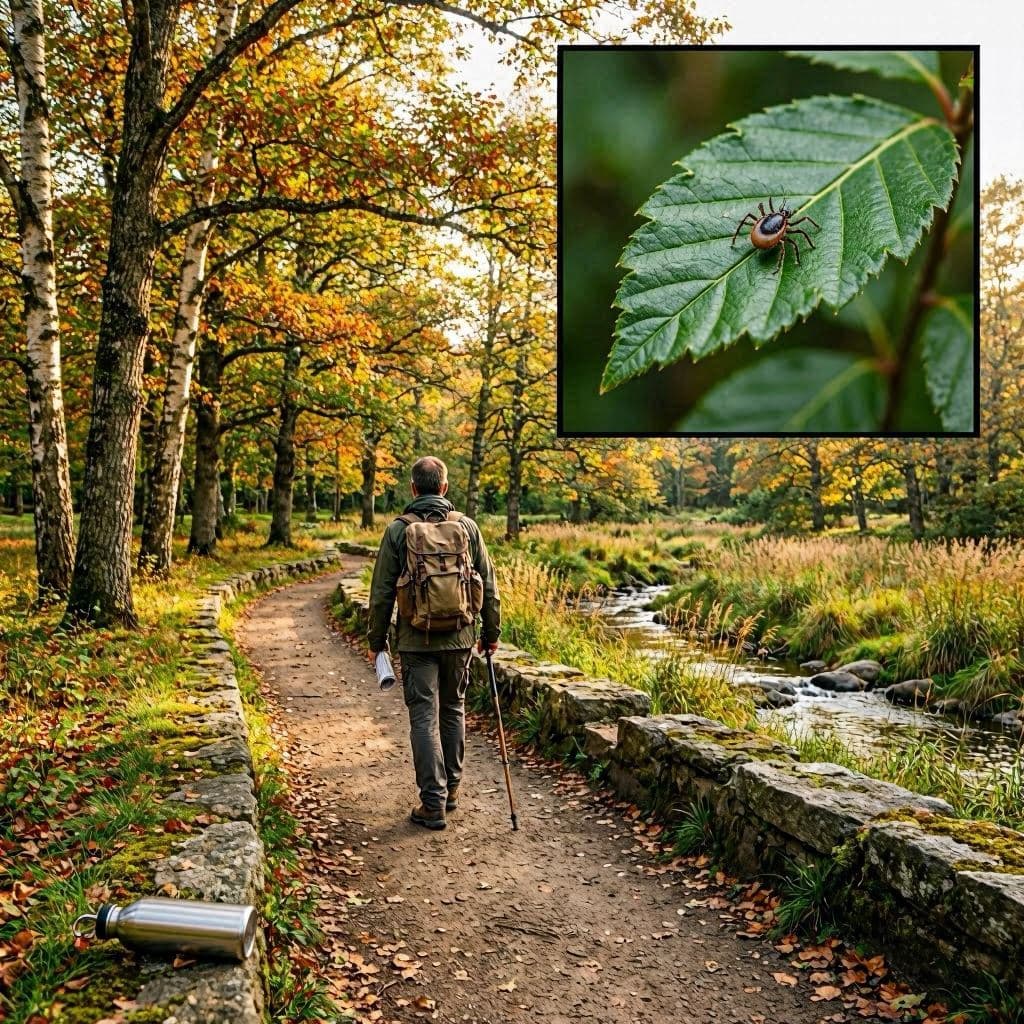
When we venture into the wild beauty of national parks, our imaginations often conjure images of formidable beasts. We might worry about the silent stalk of a bear or the sudden charge of a bison, creatures that embody the raw power of nature. However, statistics tell a different, more subtle story. The true danger in these protected landscapes often comes not from the majestic predators we fear, but from smaller, less conspicuous sources. This realization invites a shift in perspective, encouraging visitors to respect the environment not just for its grandeur, but for its hidden complexities and risks.
Body: Data from park services consistently show that the leading causes of injury and death in national parks are not animal attacks. Instead, environmental factors and human error play a much larger role. Drowning, falls, and heat-related illnesses account for a significant portion of incidents. These dangers are often underestimated because they lack the dramatic flair of a wildlife encounter. A slippery rock near a waterfall or a deceptively strong current in a river can be far more lethal than any predator.
Among animals, the most dangerous encounters are often with insects rather than mammals. Bees, wasps, and ticks pose significant health risks, particularly for those with allergies or exposure to disease-carrying pathogens. A simple hike can lead to a tick bite that transmits Lyme disease, or a sting that triggers a severe allergic reaction. These small creatures are ubiquitous in park environments, blending into the background until they become a threat. Their impact is cumulative and widespread, affecting more visitors annually than large carnivores.
Even when considering larger animals, the risk is often misperceived. While bears and mountain lions are present in many parks, attacks are exceedingly rare. Most wildlife prefers to avoid human contact, retreating into the wilderness when people are nearby. Incidents usually occur when visitors inadvertently provoke animals by getting too close, feeding them, or surprising them. Education and adherence to safety guidelines are crucial in minimizing these risks, emphasizing respect for wildlife space.
The surprise element of this reality lies in the mundane nature of the dangers. A fall on a well-trodden trail or a dehydration incident on a hot day is statistically more likely to result in a serious outcome than a confrontation with a predator. This underscores the importance of preparedness. Visitors are encouraged to carry adequate water, wear appropriate footwear, and stay on marked paths. These simple measures can significantly reduce the likelihood of accidents.
Furthermore, the perception of danger is often shaped by media portrayals that highlight dramatic wildlife encounters. These stories, while compelling, do not reflect the everyday reality of park safety. By focusing on the actual data, park officials can better educate the public on real risks. This approach promotes a more balanced view of nature, one that acknowledges both its beauty and its potential hazards without fostering unnecessary fear.
Understanding these dynamics enhances the visitor experience. When people are aware of the true risks, they can enjoy the outdoors with greater confidence and caution. It shifts the focus from fearing the wild to respecting it, recognizing that safety is a partnership between the visitor and the environment. This mindset fosters a deeper connection to nature, grounded in knowledge rather than myth.
Closing: As we explore the wonders of national parks, let us remember that the greatest threats are often the most ordinary. By staying informed and prepared, we can ensure that our adventures remain safe and memorable. The wild is not out to get us; it simply operates by its own rules, which we must learn to navigate with care.
AI Image Disclaimer: Please be aware that the visuals included here are AI-generated interpretations designed to complement the article’s themes.
Sources: National Park Service Statistics Centers for Disease Control and Prevention Outside Online Scientific American
Note: This article was published on BanxChange.com and is powered by the BXE Token on the XRP Ledger. For the latest articles and news, please visit BanxChange.com