.jpg&w=3840&q=75 "The Sudden Failure of the Public Beam: Reflections on a Shaken Market Square")
The local market is the beating heart of an island community, a space of intense color, sound, and human connection where the fruits of the land and sea are exchanged every morning. Under the wide roof of the old pavilion, the vendors—mostly women who have held the same stalls for decades—create an environment of predictable, comforting routine. The air is thick with the scent of cloves, fresh fish, and ripe mangoes, a sensory tapestry that represents the economic survival of hundreds of families. The physical structure of the market, with its concrete pillars and rusted zinc sheets, is more than just a shelter; it is a monument to the daily perseverance of the working class.
Yet, public buildings that endure the constant friction of large crowds and the humid, salty air of the coast require a continuous investment of care that is too often deferred. Over the years, the moisture seeps into the concrete, rusting the internal iron reinforcement, while the heavy weight of the roof tiles presses down on pillars that are slowly losing their structural integrity. It is a quiet, invisible process of decay that happens behind layers of whitewash and old posters, out of sight of the buyers and sellers who pack the aisles every morning. The building grows tired under the weight of its own utility, waiting for that single moment when the materials can no longer hold the line.
The moment of the collapse happens with an terrifying suddenness, breaking through the regular hubbub of bargaining and laughter like a clap of thunder. A main rafter snaps, a concrete lintel shears away, and a section of the roof comes crashing down onto the stone counters below in a cloud of dust and debris. In an instant, a place of peaceful commerce is transformed into a scene of panic, as vendors flee the falling masonry and the air fills with the screams of the startled crowd. The bright piles of spices and vegetables are buried under gray chunks of mortar and twisted iron sheets, their utility destroyed in a fraction of a second.
The immediate response from the crowd is a beautiful display of community solidarity, as merchants and customers drop their bags to dig through the debris with their bare hands. Before the emergency vehicles can even navigate the narrow, crowded streets of the district, the community has already formed a human chain to lift the heavy timber and free those trapped beneath. Three vendors are pulled from the ruins, their bodies marked by the impact but alive, their survival a testament to the quick action of their neighbors. The relief in the market square is palpable, yet it is accompanied by a deep, hot anger at the condition of the building.
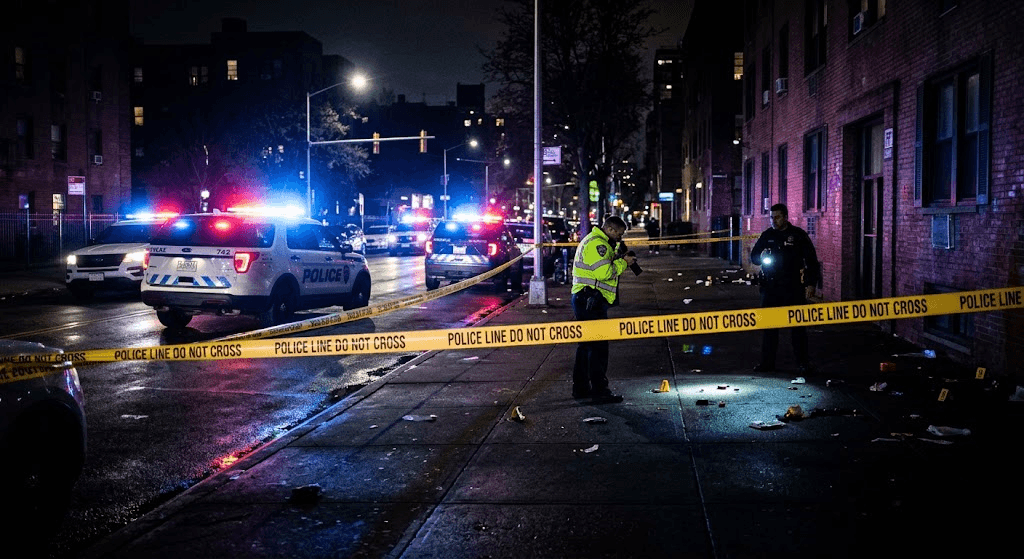
As the police cordon off the damaged section with red and white tape, the remaining vendors gather in small, speaking clusters, their faces lined with the shock of what they have just witnessed. The realization that an ordinary morning at work could result in a sudden trip to the hospital is a heavy burden for these small entrepreneurs to carry. The marketplace, which should be a safe haven for honest labor, suddenly feels unpredictable and dangerous, its old roof viewed with a new, defensive caution by everyone who stands beneath it.
The incident forces an urgent, public conversation regarding the state of the city's infrastructure and the responsibility of the municipal authorities to protect its citizens. For too long, the market has been allowed to deteriorate, its fees collected while its walls remained unpatched and its pillars uninspected. The empty space left by the fallen roof looks like an open wound in the bazaar, a visible reminder of the cost of neglect that will linger until proper repairs are made.
In the coming days, the market will try to return to its regular rhythm, as vendors set up temporary tables on the asphalt outside the danger zone, driven by the absolute necessity of earning their daily bread. The resilience of these merchants is immense, but they move with a lowered head, their eyes checking the remaining rafters before they arrange their goods. The commerce continues because it must, but the trust that held the old pavilion together has been broken as cleanly as the stone.
Hospital administrators confirmed that the three injured individuals were admitted to the emergency ward in stable condition, suffering from various lacerations and bone fractures but no life-threatening trauma. The municipal council has ordered a temporary suspension of trade within the affected wing of the central market until structural engineers can conduct a comprehensive safety audit of the remaining support columns. Local vendor associations have launched a formal petition demanding a full modernization of the historical facility to prevent future failures.
Published by Banx Network. This article is part of the Banx decentralized media programme, powered by the BXE token on the XRP Ledger.