
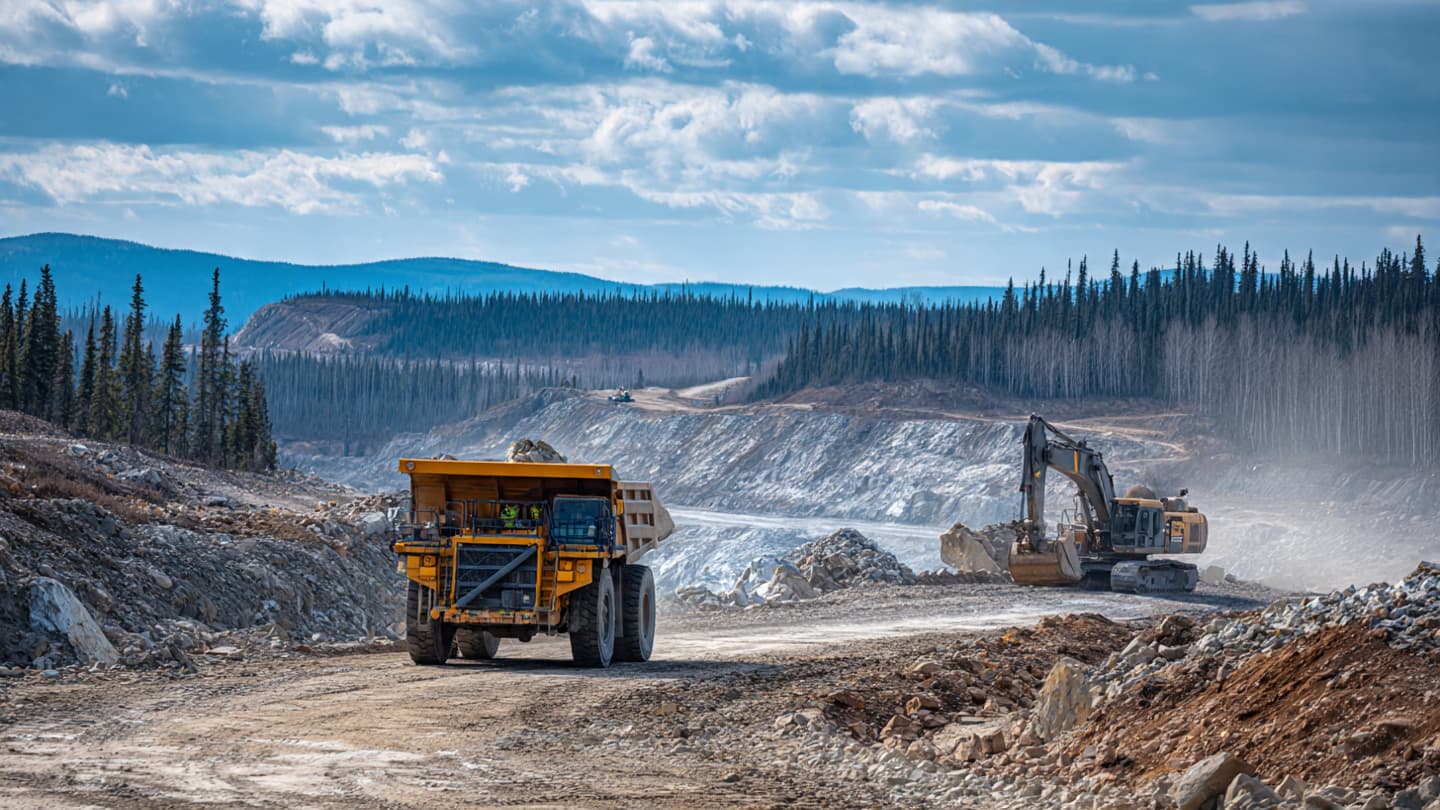
The ground beneath our feet often holds stories long before people learn to read them. Hidden within layers of rock and soil are minerals that power smartphones, electric vehicles, wind turbines, and advanced defense systems. In recent years, these resources have become more than geological treasures. They have become strategic assets, and Canada's decision to tighten foreign investment rules in its critical minerals sector reflects that changing reality.
The Canadian government has introduced stricter oversight for foreign investments involving minerals considered essential to modern technology and clean energy industries. Lithium, cobalt, nickel, graphite, and rare earth elements are among the resources receiving greater attention. Officials have explained that the policy is intended to protect national interests while maintaining a competitive investment environment.
Critical minerals have gained importance as countries seek to diversify supply chains and reduce vulnerabilities. Demand has grown rapidly due to the expansion of electric vehicle production, renewable energy projects, and advanced manufacturing. Nations around the world are increasingly viewing access to these materials as part of their long-term economic and industrial strategies.
Canada holds significant reserves of several critical minerals and has become an attractive destination for mining investment. The country's stable political environment, extensive natural resources, and established mining industry have encouraged partnerships with international companies over many years.
The updated investment framework aims to ensure that transactions involving strategic resources receive careful review. Canadian authorities have emphasized that foreign investment remains welcome, but projects involving sensitive sectors may face additional scrutiny to balance economic benefits with national security considerations.
Industry leaders are closely monitoring the policy changes. Mining companies, technology manufacturers, and investors recognize that reliable mineral supplies are essential for future production. Clear regulations can provide greater certainty for businesses while helping governments manage strategic resources responsibly.
The decision also reflects broader international trends. Several countries have introduced measures to strengthen oversight of investments involving advanced technology, energy infrastructure, and natural resources. The growing importance of supply chain resilience has influenced policymaking across multiple regions.
Economists note that Canada's mineral sector remains an important contributor to employment and regional development. Continued investment in exploration, extraction, and processing could support economic growth while meeting rising global demand for critical materials.
Canada's updated approach illustrates how natural resources have become part of a larger conversation about technology, energy, and economic security. As the world moves toward cleaner energy systems and advanced industries, the management of critical minerals is likely to remain an important issue for governments and businesses alike.
AI Image Disclaimer: The visual illustrations accompanying this article are AI-generated and created for editorial purposes.
Sources Verified: Reuters, Government of Canada, Bloomberg, Financial Times.
Note: This article was published on BanxChange.com and is powered by the BXE Token on the XRP Ledger. For the latest articles and news, please visit BanxChange.com