
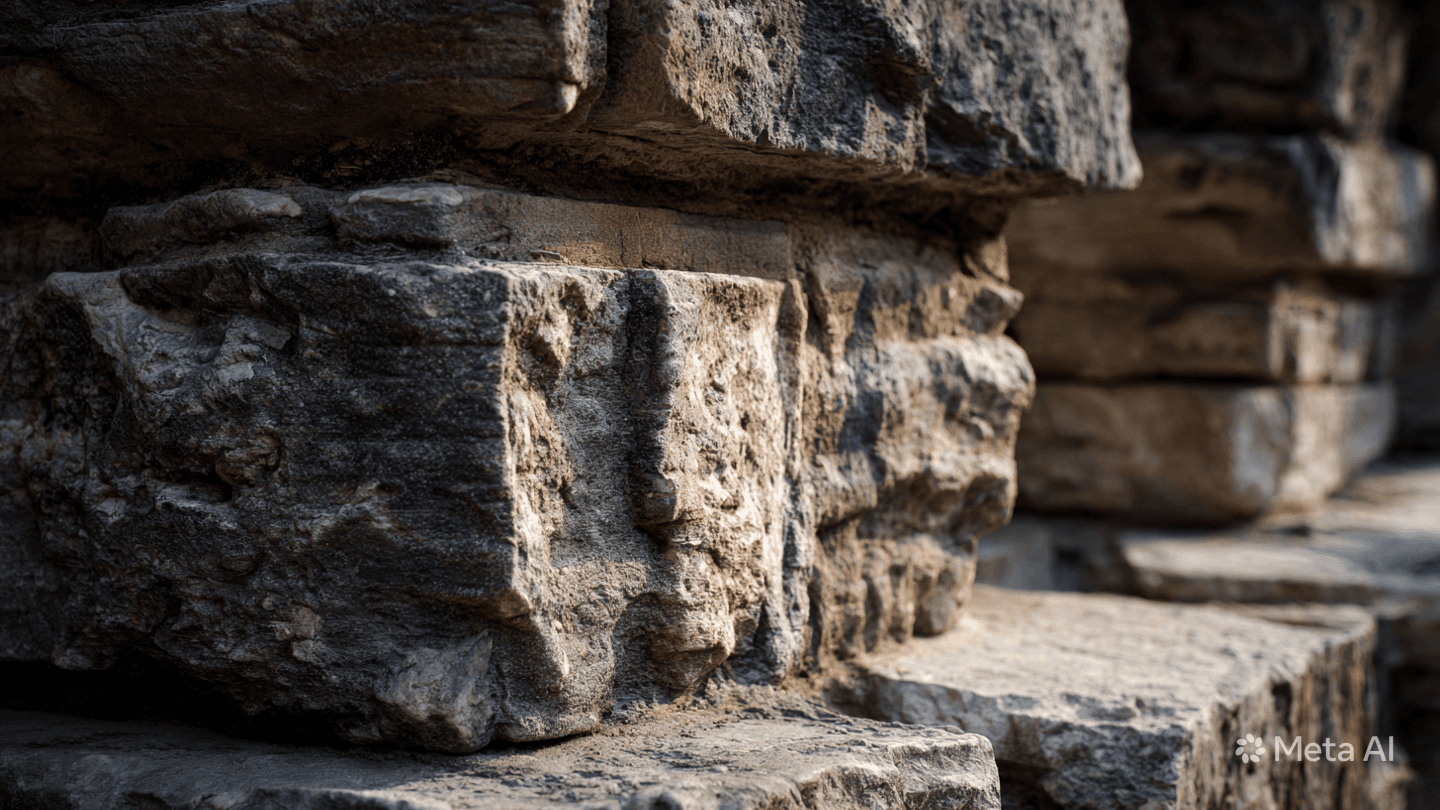
In the heart of the Estonian landscape, our historic sites stand as silent witnesses to the centuries, their walls and spires holding the weight of memory. As the summer season brings a resurgence of interest in our heritage, the rescue officials have begun a series of safety inspections, a quiet, methodical process designed to ensure that the beauty of the past does not become a hazard for the present. It is an editorial reflection on the dual nature of these structures—as anchors of our cultural identity and as living entities that must be constantly, carefully tended to.
The inspections are a form of stewardship, a recognition that the preservation of history is an ongoing, active engagement. Officials move through the ancient rafters, the narrow stairwells, and the exposed masonry with a practiced eye, looking for the signs of time—the weathering, the structural fatigue, and the hidden shifts that can occur in even the most solid stone. It is a process that balances the desire for accessibility with the necessity of safety, ensuring that the structures remain standing for the generations yet to come.
There is a profound respect embedded in these inspections. To walk through a historic site with a rescue professional is to see the building not just as an object of beauty, but as a complex, vulnerable organism. Each finding is a small conversation between the past and the present, a way of asking how we can best honor the intent of the original builders while adhering to the rigorous safety standards of our own time. It is a collaboration that requires both technical expertise and a deep, intuitive understanding of architectural integrity.
As we look toward the future, these safety checks provide the foundation for sustainable tourism and public engagement. They allow us to open our doors with confidence, knowing that every visitor who walks beneath a gothic arch or traverses a castle rampart is protected by a standard of care that is as deep as the site’s own history. It is a quiet, essential work that goes largely unseen, yet it is the very thing that keeps our shared heritage vibrant, accessible, and secure.
The balance of preservation and safety is never static. As the climate changes and the patterns of visitor traffic evolve, the demands placed upon these historic sites shift, requiring a corresponding evolution in our inspection and maintenance protocols. The rescue officials, by staying ahead of these risks, are acting as the silent custodians of the Estonian narrative. Their work ensures that the stories inscribed in stone and mortar continue to be told, undisturbed by structural failure or the accidents of time.
Ultimately, the inspections are an editorial on the importance of preparation. We are a nation that values its past, and this value is manifested in the diligent, often unglamorous work of those who ensure that the past is safe for the present. When we visit a historic site this summer, we can do so with the comfort of knowing that the structures have been thoughtfully evaluated. It is a testament to a society that understands the value of its legacy and is committed to the quiet, persistent work required to keep it alive.
Rescue officials across Estonia have initiated a series of comprehensive safety inspections at major regional historic sites, focusing on the structural integrity of ancient masonry, roofing, and visitor access areas. These routine assessments are part of a national strategy to mitigate risks associated with structural decay and environmental wear, ensuring that popular cultural landmarks remain safe for the public throughout the peak summer tourism season. The inspections prioritize sites with high foot traffic, providing property managers with actionable data to facilitate preventative repairs and enhance overall site safety.
Note: This article was published on BanxChange.com and is powered by the BXE Token on the XRP Ledger. For the latest articles and news, please visit BanxChange.com