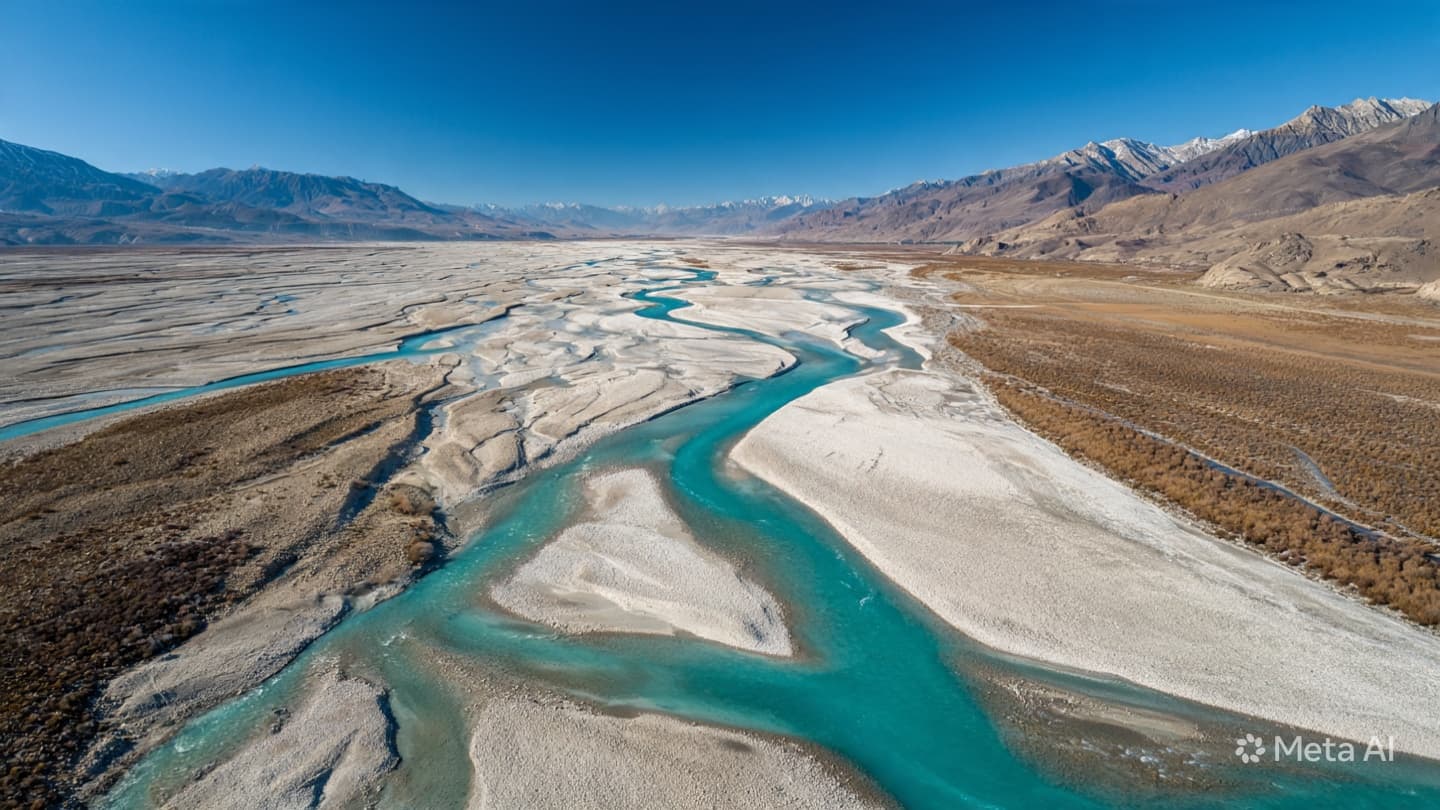
The Vjosa River, widely recognized as one of Europe’s last remaining large-scale wild river systems, flows with an untamed, dynamic energy that has carved out a unique ecological sanctuary through the heart of the Balkan peninsula. This pristine aquatic corridor, with its vast gravel banks, braided channels, and rich alluvial forests, operates under stringent national and international conservation protections designed to shield its delicate biodiversity from human encroachment. The preservation of this hydrological jewel relies on a strict legal framework that bars aggressive industrial activities, ensuring that the natural riverine dynamics continue to support hundreds of unique flora and fauna species. Yet, within these protected riparian zones, commercial interests occasionally attempt to bypass environmental regulations, treating the riverbed not as an irreplaceable natural asset, but as an exploitable source of industrial aggregates.
Following an intensive investigation driven by local conservation groups and satellite geographic monitoring, environmental enforcement units and state prosecutors brought a landmark criminal case against a prominent construction firm and its primary executive officer. The subsequent legal proceedings exposed a pattern of systematic environmental degradation, proving that the enterprise had operated heavy, unauthorized industrial equipment directly inside the river’s active channels. The illegal excavation of gravel resources and the deliberate reshaping of the natural riverbank caused catastrophic disruption to the local aquatic habitats, altering the flow of the current and triggering widespread erosion that experts have deemed completely irreversible.
The definitive criminal conviction of both the corporate entity and its managing administrator marks a monumental shift in the regional enforcement of environmental justice, signaling a transition toward strict accountability for white-collar ecocide. For decades, industrial actors frequently viewed modest environmental fines as a routine cost of doing business, comfortably absorbing administrative penalties while continuing their destructive extraction practices. The decision by the court to hand down severe criminal sentences and major financial penalties establishes an unyielding judicial precedent, demonstrating that the destruction of public natural resources for corporate enrichment will be treated as a major state crime.
The technical assembly of the prosecution’s dossier required a sophisticated multi-disciplinary approach, with hydrologists, aquatic biologists, and forensic surveyors working alongside environmental inspectors to map the physical destruction. Analysts utilized high-resolution historical satellite arrays to track the progressive degradation of the riverbed, documenting the eradication of vital spawning grounds and the structural destabilization of the surrounding valley ecosystem. This objective, data-driven mapping was critical in dismantling the defense’s assertions that the industrial activity caused only negligible, temporary changes to the landscape, providing the judicial panel with unassailable proof of systematic ecological devastation.
The wider societal and ecological consequences of unchecked environmental crime along major river systems are profound, threatening the long-term water security, agricultural viability, and ecotourism potential of entire regional valley networks. When an ecosystem as prominent as the Vjosa is structurally compromised, the damage ripples through the food chain, undercutting local communities that depend on sustainable resource management and damaging international biodiversity preservation goals. Countering this threat demands a proactive, high-tech monitoring network that pairs community whistleblowers with real-time drone surveillance to identify illicit industrial incursions before the structural damage becomes absolute.
As the state-mandated ecological rehabilitation plans begin to take shape under the watchful eye of environmental engineers, the affected river valley remains under strict, permanent judicial monitoring to prevent secondary incursions. Financial investigators are actively executing asset-seizure orders against the convicted firm’s heavy machinery and corporate accounts to fund the extensive, long-term restoration projects required to stabilize the fractured riverbanks. The wild current of the Vjosa continues its journey toward the sea, its protective status reaffirmed by a landmark legal victory that proves the natural heritage of the land is defended by the full weight of the law.
Published by Banx Network. This article is part of the Banx decentralized media programme, powered by the BXE token on the XRP Ledger.