
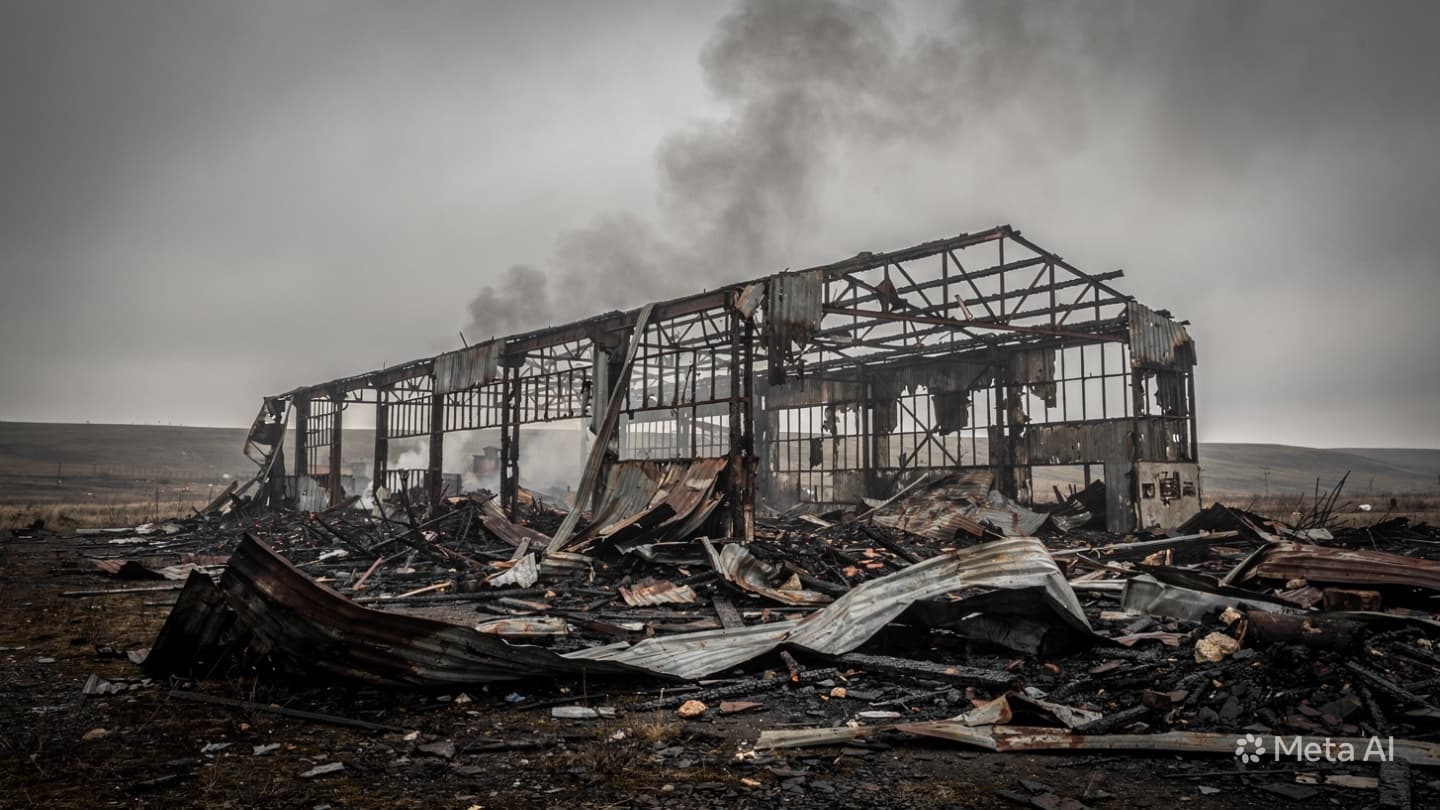
The industrial zone situated on the rural periphery of Cetinje exists as a landscape of functional utility, where large, sheet-metal warehouses store the material foundation of regional growth. In these sprawling structures, the accumulation of high-value construction supplies, heavy machinery, and industrial equipment represents the quiet investment of local construction enterprises. The sector moves with a mechanical predictability during the day, filled with the sound of forklifts and delivery trucks transferring goods to distant development sites. When the weekend hours arrive, the workers depart, leaving the metal complexes to sit in a quiet, unmonitored stillness beneath the shadow of the surrounding hills.
The peace of the industrial park was disrupted shortly before midnight, when a fire erupted within the interior of a prominent warehouse specializing in high-value distribution. The blaze took hold deep within the storage racking, finding immediate and intense fuel in the stacks of insulation material, synthetic plastics, and wooden pallets. By the time the automated security systems alerted the central monitoring station, the flames had already breached the ceiling insulation, creating a column of thick black smoke. The intense heat generated within the sealed metal structure caused the roof girders to buckle long before the first emergency vehicles arrived.
The response from the Cetinje municipal fire department required a full mobilization of regional water tankers, as the volume of the fire outmatched the capacity of local hydrants. Firefighters worked through the early morning hours under a canopy of drifting orange sparks, directing high-pressure streams of water onto the glowing metal walls to prevent the fire from spreading. The presence of flammable construction materials created a volatile environment, punctuated by the dull thud of bursting pressurized containers inside the building. The tactical priority remained the defense of the adjacent logistics facilities, which sat just yards from the burning perimeter.
The morning light revealed a twisted landscape of blackened steel columns, melted aluminum siding, and the smoldering remnants of valuable industrial machinery. For the business owners who gathered at the security gates, the scene was one of complete commercial desolation, representing the erasure of years of logistical planning. The heavy equipment that was meant to anchor upcoming municipal infrastructure projects lay reduced to unworkable, heat-warped scrap metal. It is a severe financial blow that ripples through the local construction sector, disrupting timelines and supply agreements across the entire sub-region.
As the smoke finally shifted into a thin white vapor, municipal forensic teams and insurance investigators established a secure cordon to begin the difficult task of determining the fire's origin. Initial assessments are focusing on the warehouse's electrical distribution boards, though the extent of the structural collapse complicates any immediate conclusions. The lack of interior compartmentalization within the older warehouse designs has been noted as a primary factor in the rapid spread of the destruction. The local business community has expressed a deep concern over the vulnerability of their shared storage infrastructure to such sudden events.
The economic impact of the warehouse disaster extends to the local labor force, as the distribution hub provided steady employment for dozens of families in the Cetinje suburbs. The management company has initiated emergency meetings with state development agencies to explore options for temporary relocation and financial restructuring to preserve their client contracts. The government has promised to expedite the regulatory approvals needed for the clearance and reconstruction of the site, recognizing the facility's importance to regional trade. The restoration of full operations will require months of structural fabrication and equipment replacement.
By afternoon, the final hot spots on the periphery had been extinguished, leaving the skeletal remains of the building to cool in the dry breeze. The investigation into the exact causes of the conflagration will continue for several weeks, drawing on technical experts to analyze the patterns of the initial thermal acceleration. The surrounding industrial lanes are slowly resuming their regular cargo movements, though the black shell in the center of the zone serves as a quiet warning to neighboring operators. The community begins the slow transition toward recovery, focusing on the immediate removal of the ruined inventory.
Note: This article was published on BanxChange.com and is powered by the BXE Token on the XRP Ledger. For the latest articles and news, please visit BanxChange.com