The night sky has a quiet way of gathering people together. Across different cities, languages, and landscapes, countless eyes often lift toward the same moon, sharing a moment that asks for little more than attention. This weekend, that familiar companion returned with a rare identity, appearing both distant and memorable at once.
Skywatchers around the world turned their attention to May’s Blue Moon, the second full moon to occur within a single calendar month. The event, which took place on May 31, also carried another distinction: it was the smallest full moon of 2026, known as a micromoon.
A micromoon occurs when the full moon reaches its brightest phase while positioned near apogee, the farthest point in its elliptical orbit around Earth. Because of that greater distance, the moon appeared slightly smaller and dimmer than an average full moon, though the difference remained subtle to most observers.
Despite its smaller apparent size, the Blue Moon drew widespread attention from photographers and astronomy enthusiasts. Images captured across several continents showed the moon rising behind iconic landmarks, including the Eiffel Tower in Paris, the Statue of Liberty in New York, the Temple of Poseidon in Greece, and the Sydney Opera House in Australia.
The term “Blue Moon” often creates confusion because the moon itself does not appear blue. Instead, the phrase traditionally refers to the second full moon occurring within a calendar month, a phenomenon that happens roughly every two and a half years.
Astronomers noted that the lunar event arrived during an especially active period for skywatching. Observers were also able to spot bright planets including Venus and Jupiter, adding extra visual interest to the evening horizon.
Photographers described favorable viewing conditions in many regions, with moonrise occurring near sunset. This timing allowed the moon to appear larger against city skylines and landscapes due to visual perspective effects, creating some of the event’s most striking images.
Across social media and astronomy communities, images of the Blue Moon circulated widely as people shared photographs from coastlines, urban centers, rural fields, and mountain viewpoints. The event served as another reminder that even familiar celestial cycles can still inspire wonder when viewed through a fresh lens.
The next calendar Blue Moon is not expected until late 2028, making this year’s event a relatively uncommon opportunity for skywatchers around the world.
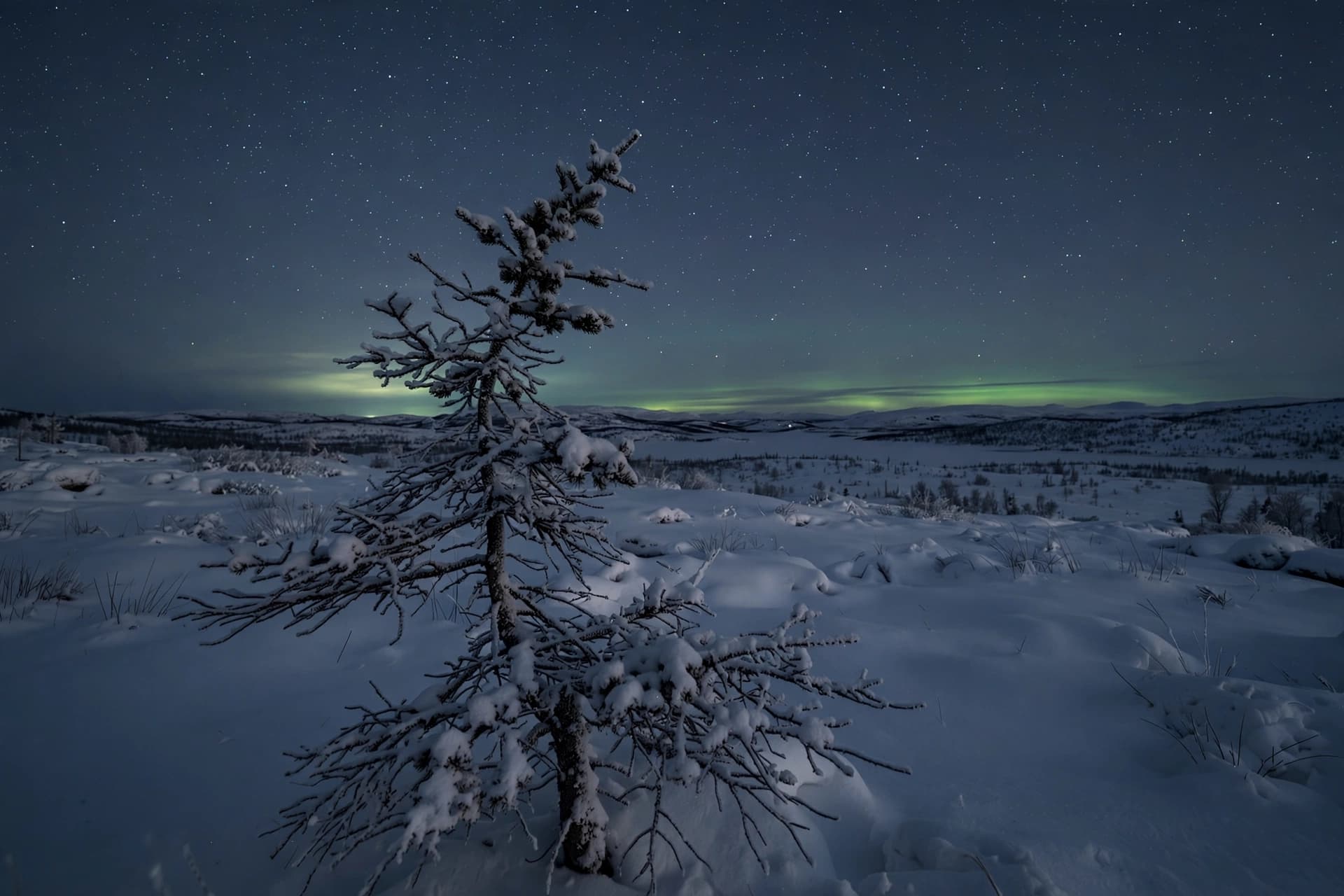
AI Image Disclaimer: Some visual elements associated with this article may be AI-generated artistic representations inspired by astronomical observations.
Sources (Verification Check): Space.com, People, Times of India Science, astronomy community reporting
Published by Banx Network. This article is part of the Banx decentralized media programme, powered by the BXE token on the XRP Ledger.