The night sky often teaches patience. For generations, humanity has watched distant stars as sailors once watched the sea, aware that celestial events unfold according to rhythms far beyond human schedules. One anticipated stellar event has once again reminded astronomers of that lesson.
Astronomers have been closely monitoring the star system known as T Coronae Borealis, often called the "Blaze Star." Scientists predicted that the system could experience a nova eruption sometime around 2024, drawing considerable public attention.
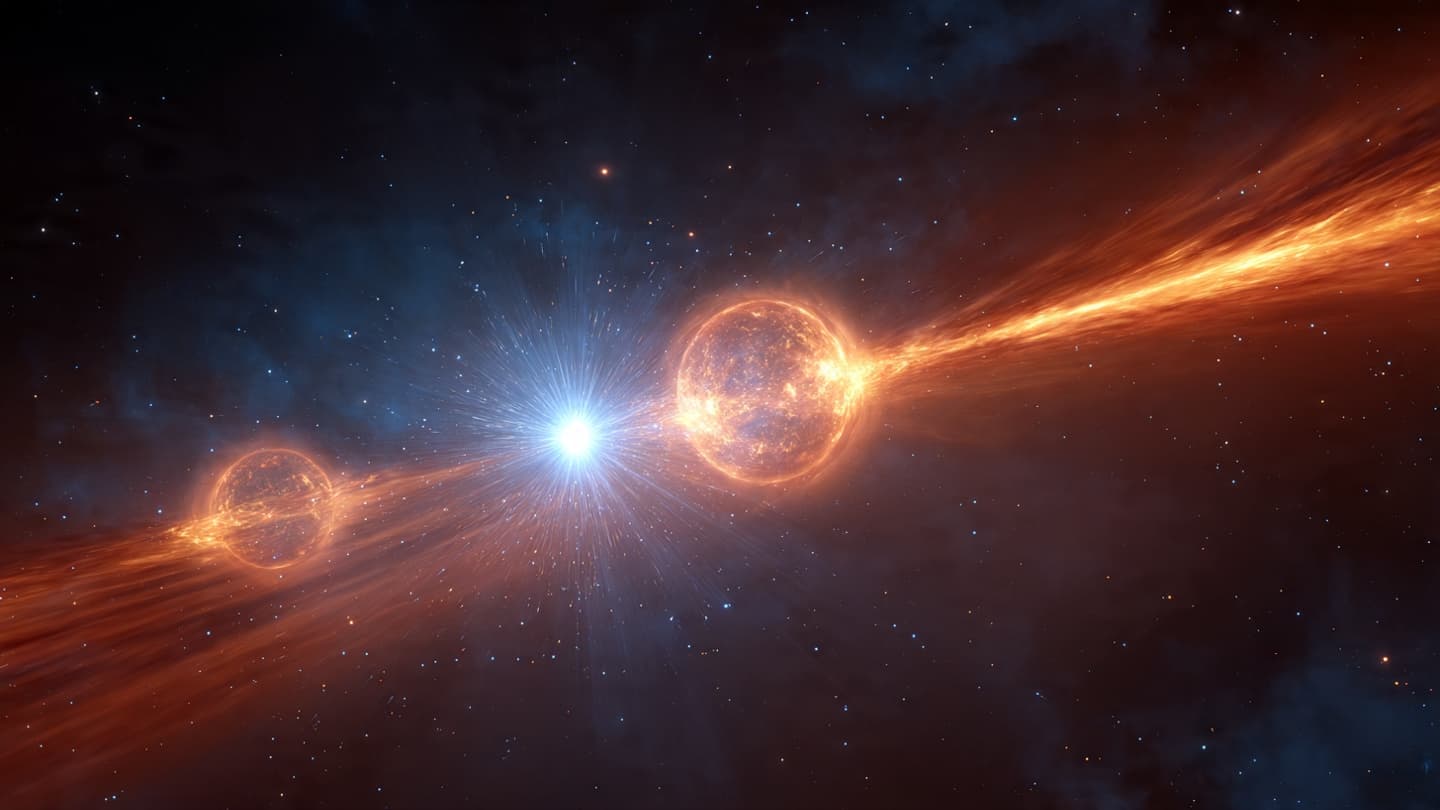
A nova occurs when a white dwarf star accumulates material from a companion star until a thermonuclear explosion briefly causes the system to brighten dramatically. Unlike a supernova, the stars survive the event and the cycle may repeat.
Although many observers expected the eruption to occur during 2024, the anticipated brightening has not yet taken place. Researchers stress that predicting the exact timing of such events remains extremely difficult.
T Coronae Borealis has erupted roughly every 80 years, with previous observed outbursts recorded in 1866 and 1946. Based on historical patterns and current observations, astronomers still believe another eruption could occur relatively soon.
If the nova happens, it may become visible to the naked eye for several days, allowing skywatchers across much of the Northern Hemisphere to observe the event without specialized equipment.
Scientists continue monitoring changes in brightness and spectral activity within the binary system. Such observations help researchers better understand stellar evolution and mass transfer processes between stars.
The delay does not indicate that earlier scientific work was incorrect. Rather, it highlights the challenges involved in forecasting complex astrophysical phenomena.
For now, astronomers remain watchful, knowing that the long-awaited stellar display may still illuminate the sky in the months ahead.
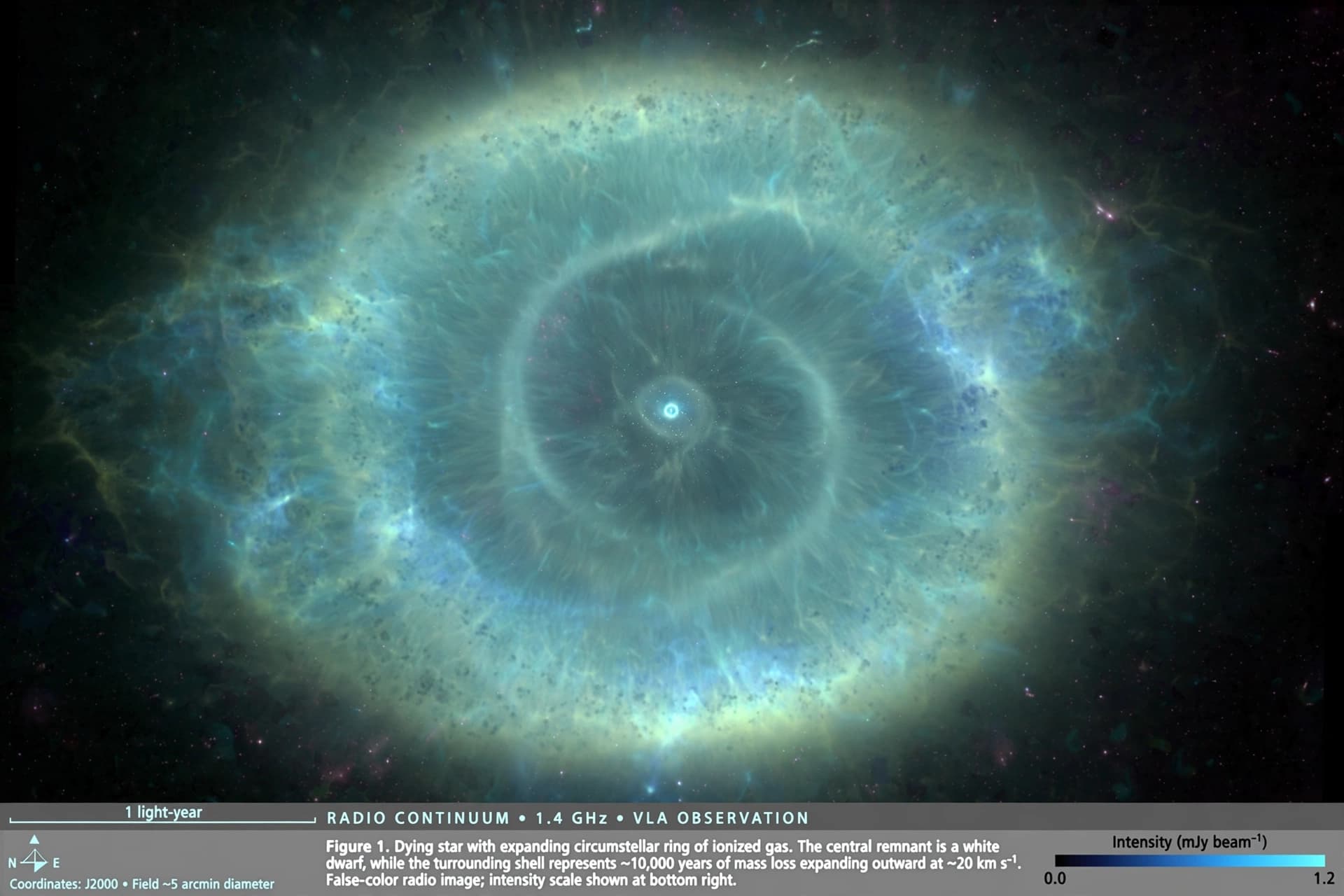
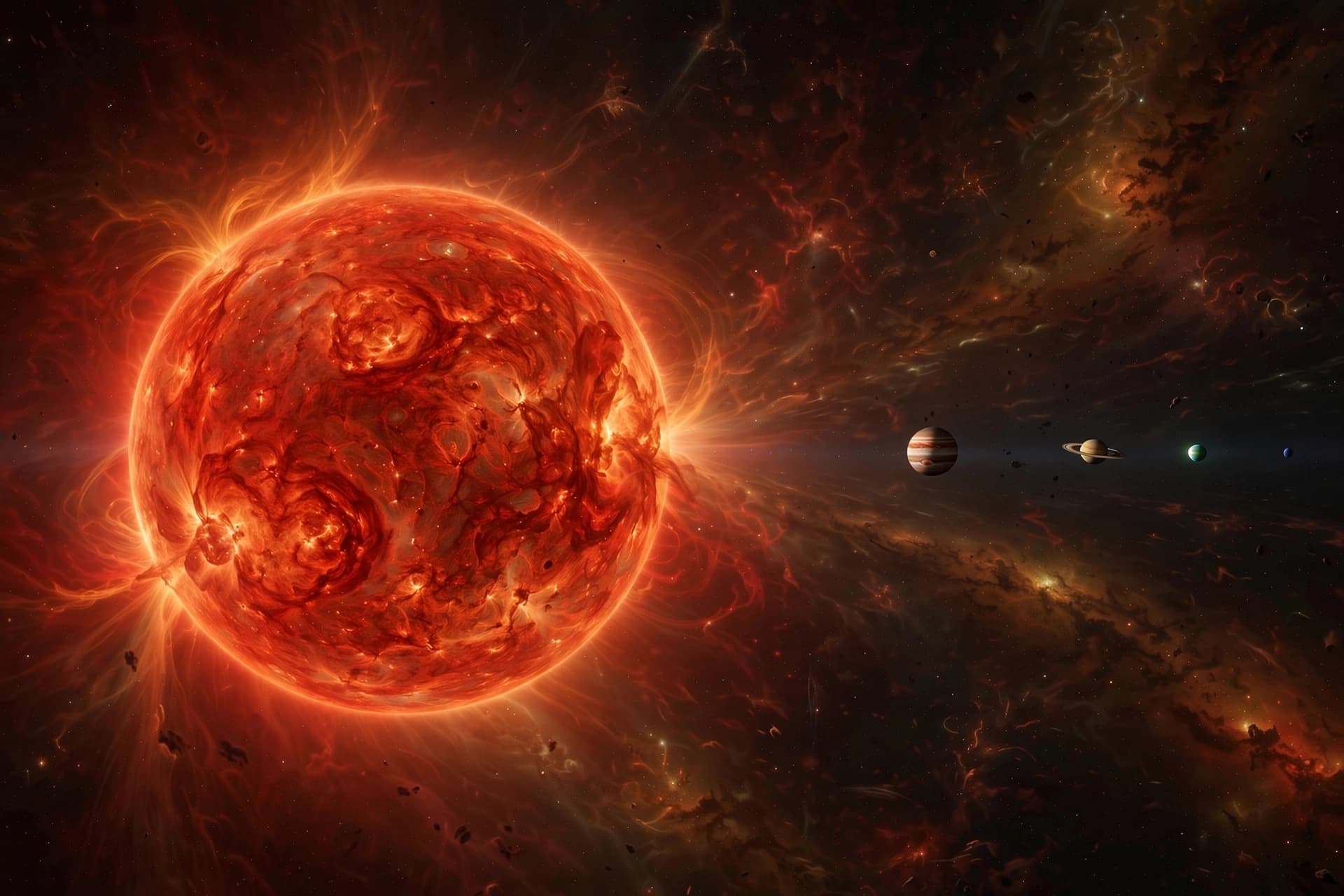
AI Image Disclaimer: Visual illustrations accompanying this report were created with AI technology to assist readers in understanding the astronomical subject.
Source Verification Check: NASA, Space.com, Live Science, Sky & Telescope
Published by Banx Network. This article is part of the Banx decentralized media programme, powered by the BXE token on the XRP Ledger.