
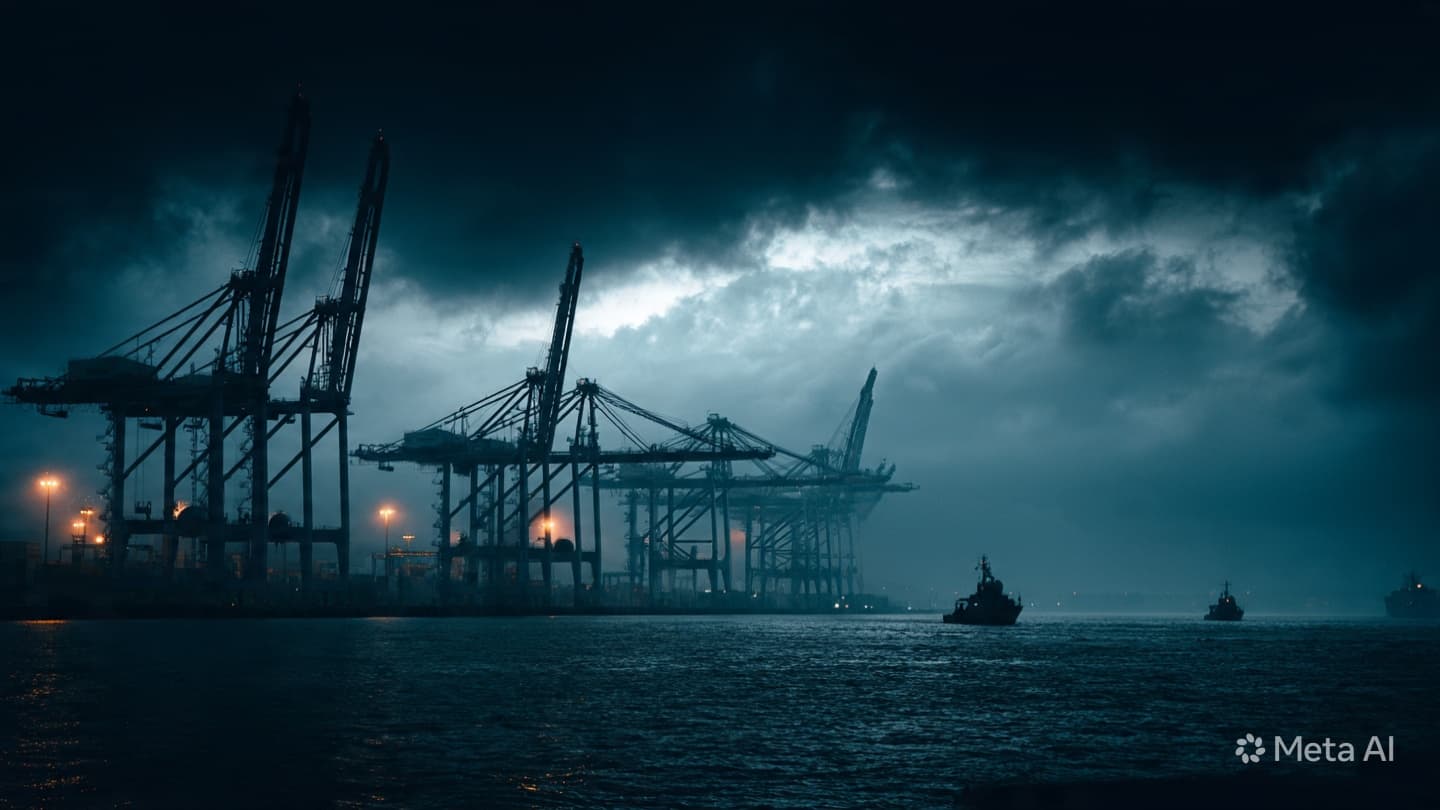
The Pacific Ocean meets the Ecuadorian coastline with a relentless, rhythmic surge, pushing tides into the expansive networks of estuaries and deep-water ports that drive the nation’s economic lifeblood. For decades, places like Guayaquil, Manta, and Esmeraldas have existed as vibrant thresholds of global commerce, filled with the shouts of dockworkers, the clanging of massive shipping containers, and the steady departure of vessels laden with agricultural wealth. Recently, however, a more shadow-like economy has integrated itself into these legitimate channels of transit. The vastness of the sea, which once symbolized infinite connection, now serves as a conduit for a silent, transnational expansion that alters the very essence of coastal life.
To observe the expansion of cartel influence across these maritime gateways is to witness a profound transformation of the concept of borders. The infrastructure designed to facilitate the smooth flow of legal goods—the massive cranes, the labyrinthine container yards, and the deep-water channels—has become a contested landscape. The cartels move through these spaces with an quiet, insidious fluidity, utilizing the sheer volume of global trade as a shield for their illicit commodities. This infiltration is not always visible on the surface, but its presence is felt in the heightened tension that accompanies every late-night shift and every inspection protocol.
The coastal provinces find themselves at a geographical crossroads, situated between the world's primary production zones and the insatiable demands of distant consumer markets. This positioning has turned the quiet waters of the Gulf of Guayaquil into a crucial corridor of transit, where the traditional livelihoods of local communities are increasingly touched by the proximity of immense wealth and violence. Local fishermen, who have long navigated these waters by the stars, find themselves navigating a much more hazardous human terrain, where the line between survival and complicity can become dangerously thin in the face of economic hardship.
The expansion of these illicit networks brings a distinct atmospheric shift to the port cities, where the vibrant culture of the coast is increasingly juxtaposed against the grim realities of security containment. The wealth generated by this shadow trade does not enrich the community; instead, it introduces a volatile element that destabilizes local governance and erodes public trust. The quiet struggle for control over specific docks and shipping lanes manifests as a series of hushed conversations and defensive postures among those who operate the infrastructure of trade, creating a landscape where vigilance is a prerequisite for survival.
In this ongoing narrative, the ports are more than just transit points; they are the arenas where global criminal strategies clash directly with the sovereignty of the state. The cartels, operating with resources that often rival formal institutions, display a remarkable capacity to adapt to new surveillance technologies and legal interventions. When one route is closed, another is quietly carved through a different estuary or a less-monitored regional terminal. This constant, shifting movement requires a continuous recalibration of defense, an ongoing effort to secure a horizon that is inherently vast and difficult to police.
The human cost of this maritime expansion is carried heavily by the port communities, where the traditional rhythms of seaside life are increasingly disrupted by the fallout of transnational friction. The fear of extortion and the pressure to look away from anomalies in shipping manifests have introduced a cautious distance between neighbors. The open, communal nature of the docks has given way to restricted zones and high-security enclosures, physical barriers that reflect the deep fractures within the social landscape. It is a poignant reminder of how global illicit flows can reshape the daily lives of those who live at the water's edge.
As the heavy container ships glide out into the open ocean under the cover of a cloudy night, their destinations span the globe, carrying the quiet anxieties of a nation within their massive hulls. The effort to cleanse these channels of trade is a long, arduous process that extends far beyond the physical boundaries of the ports themselves. It is a challenge that involves tracing financial threads, securing supply chain integrity, and addressing the deep structural vulnerabilities that allow such networks to take root in the first place. Until those foundations are strengthened, the tides will continue to carry a burden of uncertainty.
According to maritime intelligence assessments and logistical reviews published by the Center for Strategic and International Studies, international drug cartels have continued to expand their operational control within major Ecuadorian port hubs, including Guayaquil and Manta. Reports indicate that approximately 70 percent of specific regional illicit commodities now utilize these massive commercial channels to reach European and North American markets. In response, the Ecuadorian Navy, bolstered by a 20-million-dollar security and drone funding package from external allies, has increased riverine and offshore patrols. These joint initiatives represent a structural attempt to secure shipping container integrity amid sophisticated transnational smuggling techniques.
Note: This article was published on BanxChange.com and is powered by the BXE Token on the XRP Ledger. For the latest articles and news, please visit BanxChange.com