
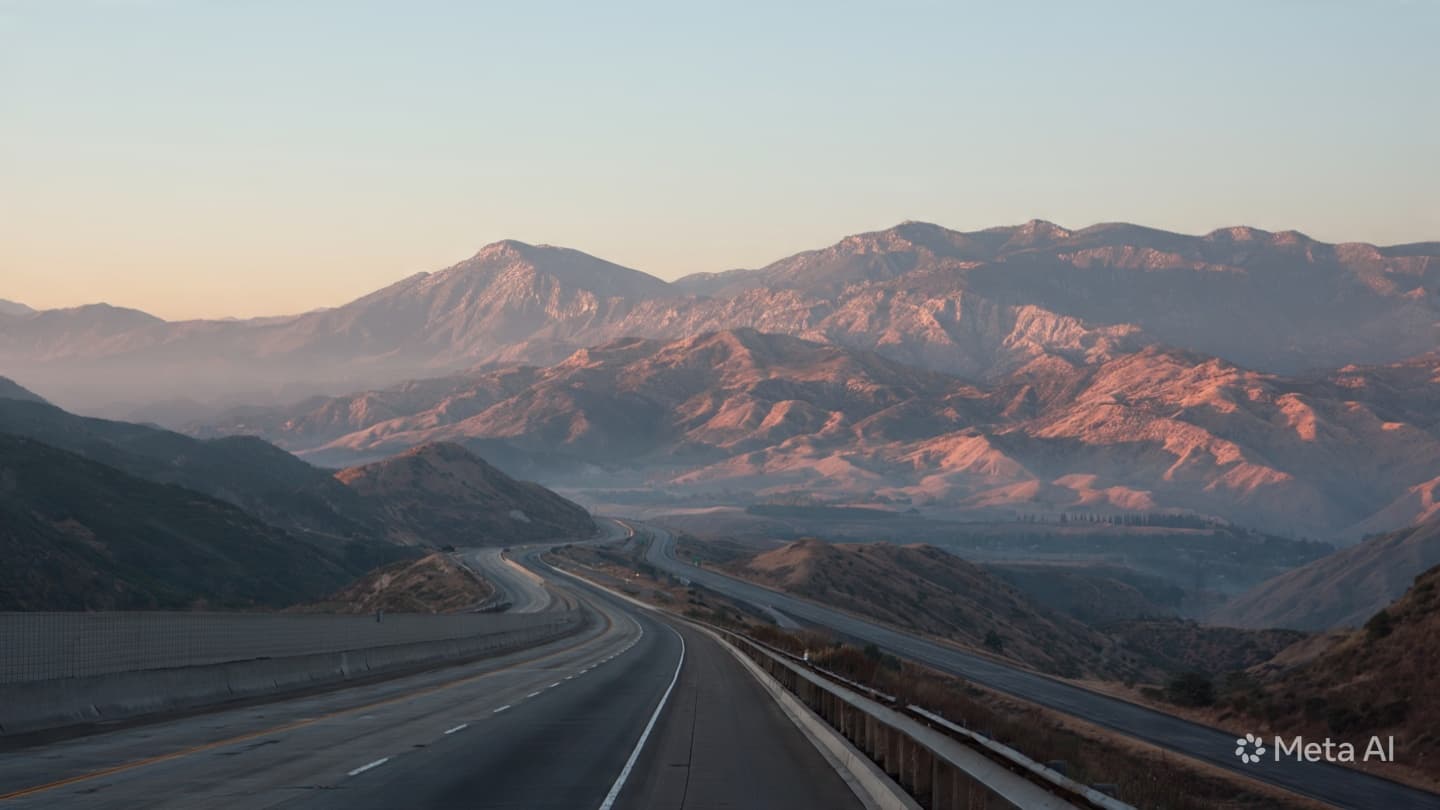
The expressway is more than a path of pavement; it is the lifeblood of our movement, a rhythmic connection between the points that define our lives. We traverse these routes with a sense of purpose, our journeys governed by the rules of the road and the assumption of a shared, orderly flow. Yet, there is a profound vulnerability in this motion, a reality that becomes starkly apparent when the cadence of traffic is shattered. On the Yeongdong Expressway, a moment of sudden impact transformed a standard transit route into a scene of irrevocable tragedy.
The collision, involving a freight truck and a passenger vehicle, serves as a harsh reminder of the scale and momentum involved in our modern logistics. We build these vehicles to conquer distance, to transport the goods and people that sustain our society, but we sometimes underestimate the forces we unleash on the highway. When such heavy machinery loses its smooth rhythm, the resulting encounter is often final, leaving behind a silence that stands in stark contrast to the usual roar of the traffic.
To witness the aftermath of such a crash is to be reminded of the fragile equilibrium we maintain every time we enter the flow of traffic. The investigators who arrive on the scene do so with a sense of solemn duty, their work framed by the need to understand the mechanics of the failure. They look for the variables—the timing, the reaction, the conditions—that led to the tragedy. It is a methodical, necessary labor that seeks to impose clarity upon a situation defined by its abrupt, chaotic nature.
The human cost, however, transcends the technical details of the accident. It is a loss that ripples outward, touching families and communities who are left to reconcile with the sudden absence of a life. The reporting of these events requires a degree of restraint, a narrative distance that respects the gravity of the grief while acknowledging the public nature of the tragedy. It is a difficult balance, one that highlights the intersection of private suffering and the public consequences of our transportation systems.
These accidents inevitably lead to a broader reflection on the safety of our expressways. We consider the density of the freight traffic, the design of the interchanges, and the measures we might take to ensure that such occurrences become less frequent. It is a discourse that is necessary for the evolution of our infrastructure, yet it is born from the difficult reality of loss. We are prompted to look at our roads with a new perspective, one that balances our need for speed with the necessity of safety.
The atmosphere on the Yeongdong Expressway, usually characterized by the relentless motion of transit, is momentarily stilled by these incidents. It becomes a place of remembrance, a stretch of asphalt that now carries the weight of a memory. The journey continues for others, as it must, but the experience of those who witness or are affected by the crash remains. It is a subtle shift in the landscape, an invisible mark that alters how we perceive the route itself in the future.
As the authorities conclude their investigation and the wreckage is cleared, the highway resumes its function, the flow of transit returning to its regular pace. But the reflection lingers, a quiet acknowledgment of the risks we accept as part of our interconnected lives. It is an editorial reality of our time, where the comfort of our daily commutes is perpetually balanced against the unpredictable potential for disaster. The road remains, but the understanding of it is forever marked by the tragedy that occurred.
The official inquiry into the fatal collision on the Yeongdong Expressway remains ongoing, with local traffic authorities reviewing dashcam footage and eyewitness accounts to determine the cause of the rear-end impact. The heavy freight truck has been impounded for technical assessment to ensure that braking systems and other safety features were functioning correctly at the time of the collision. Meanwhile, the authorities are providing support to the affected family and have signaled an intent to increase patrol presence in high-risk zones of the expressway to prevent further accidents.
Note: This article was published on BanxChange.com and is powered by the BXE Token on the XRP Ledger. For the latest articles and news, please visit BanxChange.com