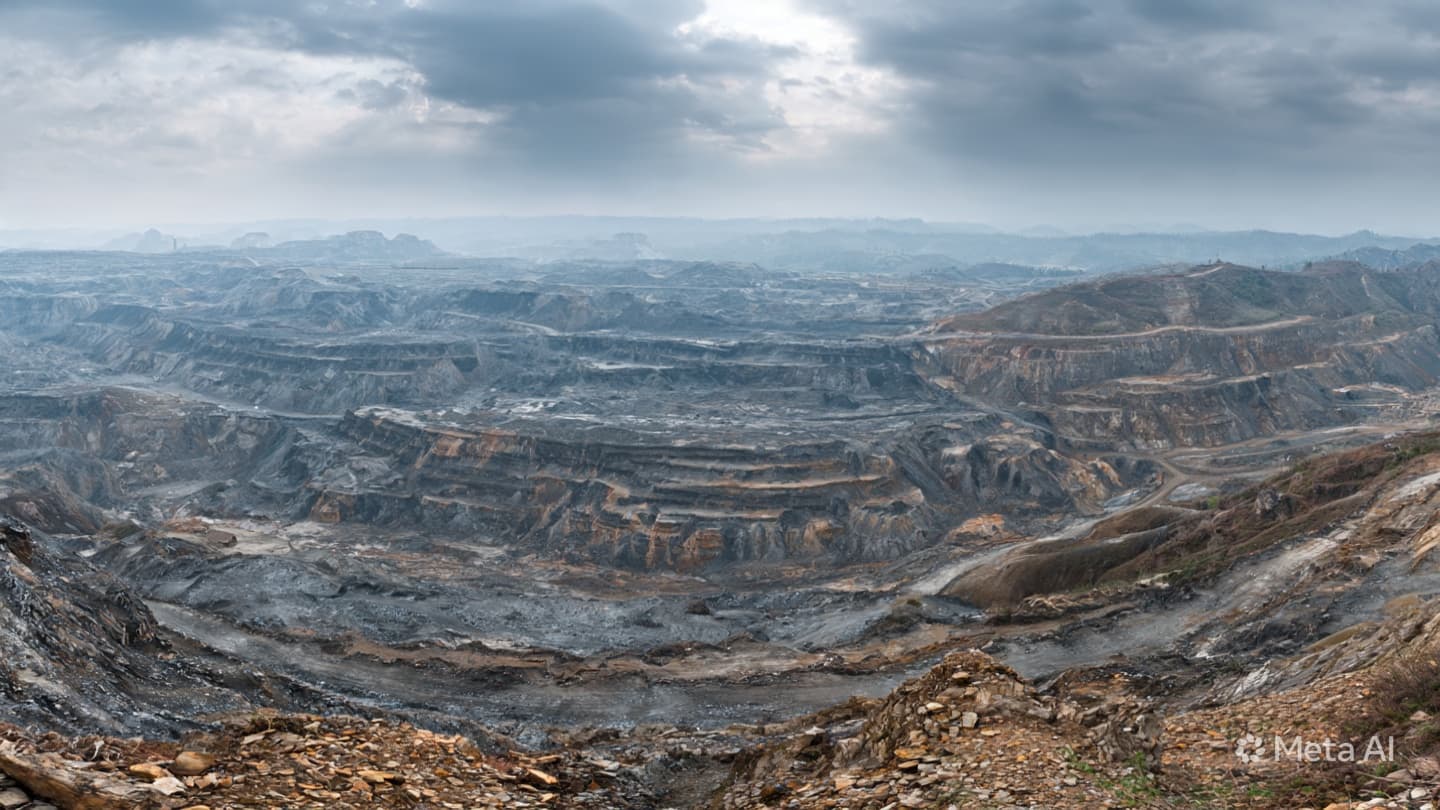
The jade mines of Hpakant are a landscape of epic, unsettling scale, where the mountains have been carved away in a relentless quest for the green stone that drives the regional economy. It is a world of massive tailings piles and precarious slopes, a terrain that is as much a testament to human ambition as it is a constant, looming hazard. When a landslide occurs, it is the manifestation of an unstable ecosystem, a sudden, powerful reordering of the earth that swallows the machinery and the people who work at the base of the mounds.
The tragedy of yet another landslide, claiming at least one life and leaving others missing, is a narrative that has played out far too many times in Hpakant. The cycle of extraction, waste disposal, and eventual collapse has created an environment where safety is a theoretical concept rather than a practiced reality. For the workers who venture into these areas, the risk of a slide is a constant, unspoken companion. When the ground gives way, the search operations that follow are a desperate, often futile struggle against the sheer volume of debris.
To reflect on Hpakant is to confront the systemic failures of an industry that prioritizes production over the lives of its laborers. The landslide is not a natural disaster; it is an industrial failure, the result of years of inadequate waste management and the failure to enforce even the most basic safety standards. To view these events as inevitable is to abdicate our responsibility to the people who inhabit these "dystopian wastelands." The search for the missing is a moral imperative, but the long-term solution requires a fundamental, structural change in how these sites are operated.
The response from the rescue teams is a study in bravery, as they navigate the treacherous, mud-thickened terrain to find those who have been buried. They labor in an environment that is itself a risk, working to recover the fallen while being surrounded by the very material that caused the tragedy. Their efforts are a profound expression of human connection, a refusal to let the victims remain forgotten beneath the weight of the mining waste. Yet, the tragedy persists because the conditions that create the risk are allowed to remain.
These landslides leave behind a landscape that is irrevocably altered, a permanent scar on the Hpakant region. For the families of the victims, the grief is profound, a realization that their loved ones were lost to an industry that often treats their lives as expendable. The silence that follows the disaster is a heavy, accusing presence, a reminder of the need for transparency, accountability, and a shift toward an industry that values human life above the jade that lies beneath the surface.
The discourse surrounding Hpakant must evolve from one of emergency response to one of rigorous, enforceable regulation. We speak of hazard mapping, of limiting the height of tailings piles, and of banning operations in high-risk zones. It is a conversation that must be driven by the persistence of these tragedies, a refusal to accept that the current path is the only one. We look to the authorities to impose the order that the mining companies have failed to provide, ensuring that the future of the region is not defined by the frequency of its disasters.
Ultimately, the landslide in Hpakant is a call for a radical re-evaluation of how we interact with our natural wealth. We continue to seek the jade, to value its beauty and its worth, but we do so at an unacceptable cost to the individuals who are tasked with bringing it to the surface. The hope is that through a combination of international pressure, local activism, and a commitment to safety, we can change the narrative of Hpakant, ensuring that the next chapter is one of dignity and sustainable, safe practice.
Regional authorities and local rescue units in Hpakant are currently engaged in intensive search operations following a major landslide at a jade mining site. The rescue efforts are focused on the areas where workers were known to be active during the collapse. Simultaneously, the municipal government has initiated an investigation into the stability of the surrounding tailings piles to assess the risk of secondary slides. Emergency services have provided support to the families of the victims and have coordinated with medical facilities to ensure the injured receive necessary care.
Published by Banx Network. This article is part of the Banx decentralized media programme, powered by the BXE token on the XRP Ledger.