
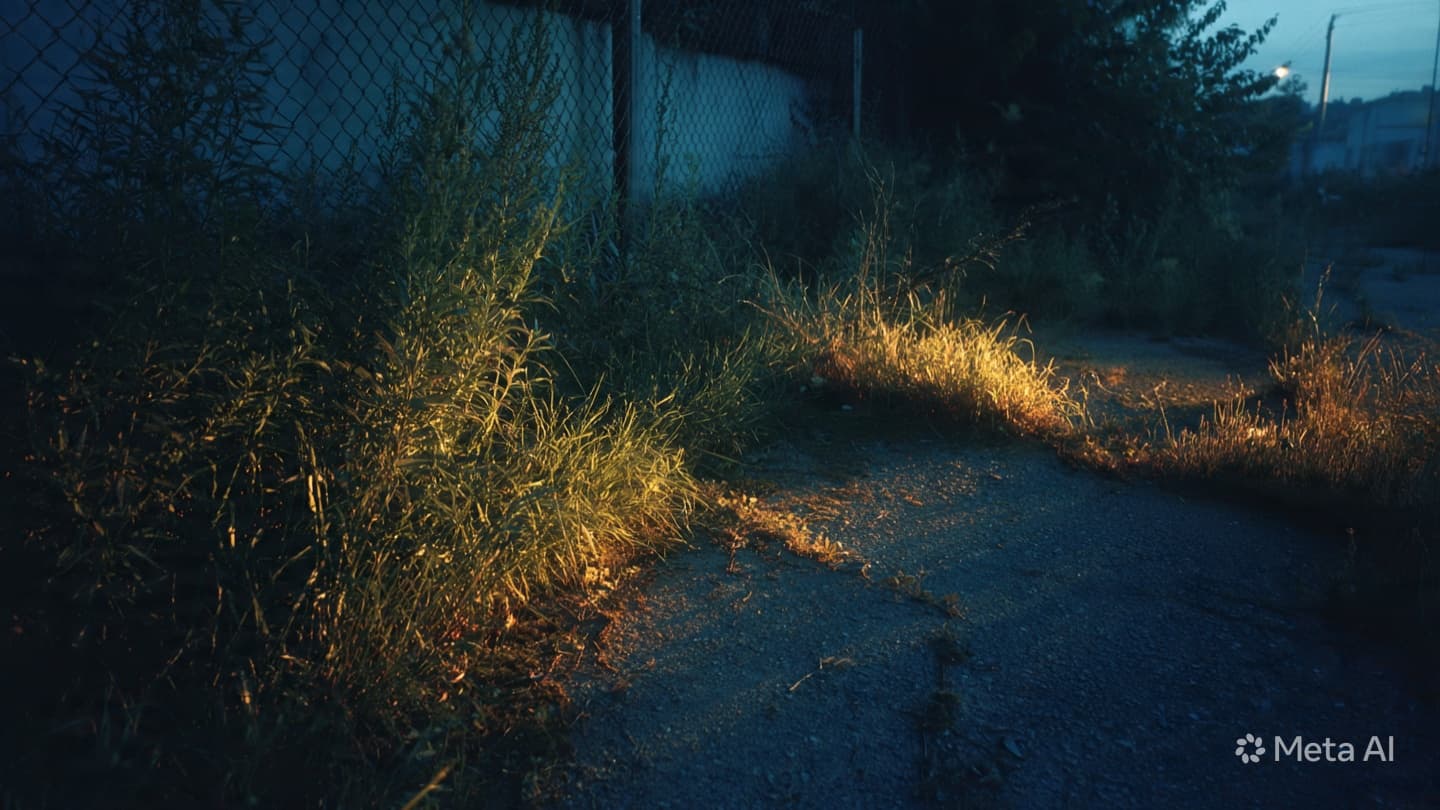
There are spaces on the periphery of our urban landscapes—the overgrown lots, the quiet, neglected expanses—that seem to exist outside the flow of daily life. These areas often serve as a backdrop for the unseen, a place where the city’s margins become painfully visible. The recent discovery of a young woman’s body in such a space is a jarring interruption of our collective comfort. It is a tragedy that forces us to stop and look at the spaces we tend to overlook, reminding us that the most profound acts of cruelty often occur in the places we have long since abandoned to the shadows.
To find a life extinguished in this manner is to be confronted with the fragility of our human existence. The circumstances surrounding her death, marked by the harrowing silence of asphyxiation, speak to a violence that is as calculated as it is heartless. It is a loss that defies simple explanation, leaving behind a void that ripples through the community and demands an answer. For those who live in the vicinity, the wasteland is no longer just a forgotten lot; it has become a site of collective grief and a reminder of the darkness that can take root when vigilance fades.
One must reflect on the climate of safety that governs our urban fringes. We often operate under the assumption that the reach of society is constant, yet the existence of these neglected spaces suggests otherwise. They provide a vacuum, an invitation for the worst impulses of humanity to play out away from the gaze of the public. This event serves as a somber prompt to reconsider our stewardship of these areas, questioning how we might reclaim the edges of our cities to ensure they are places of passage rather than places of peril.
The investigative process is now a clinical necessity. Authorities are tasked with reconstructing the final moments of a life that deserved a future, sifting through the physical evidence left in the dirt. It is a process that requires both rigour and an unwavering empathy for the victim. For the family, the wait for truth is an arduous journey, one that cannot be easily softened by the findings of a report. The investigation is the first step toward a justice that is as necessary as it is difficult to achieve.
We are left to contemplate the void left by this young woman. Her absence is a testament to the potential that was stolen, and the sorrow of her passing is a weight that we all must acknowledge. In the stillness of the aftermath, the community is called to look at its own structures of protection and to ensure that the vulnerable among us are not left to the mercy of the wasteland. It is a call for a renewed commitment to the sanctity of life, even in the margins of our urban map.
As the city processes this news, the hope is for the truth to be unearthed with the same persistence that the investigators are now applying to the scene. The memory of the victim deserves to be honoured through the pursuit of accountability, and the community’s demand for safety must be heard. Through this tragedy, may we find the resolve to turn away from the neglect that allows such darkness to persist, and move toward a future where the wasteland is no longer a place of fear.
Local police and the prosecutor’s office have officially opened a homicide investigation following the discovery in the wasteland. Forensic experts are analyzing evidence collected from the scene to determine the time and circumstances of the victim's passing. Authorities are appealing to the public for any information regarding suspicious activity in the area during the past forty-eight hours. The government has pledged to increase surveillance in peripheral urban zones to prevent further incidents of this nature.
Note: This article was published on BanxChange.com and is powered by the BXE Token on the XRP Ledger. For the latest articles and news, please visit BanxChange.com