In the world of economics, numbers tell only half the story. The other half is written in the minds of leaders—their hopes, fears, and expectations for the future. This intangible force, known as business sentiment, acts as a leading indicator of economic health. When confidence is high, companies invest, hire, and expand. When it wavers, they hoard cash and cut costs. Recently, a subtle but significant shift has been detected in the American corporate landscape. After a period of caution marked by inflationary pressures and geopolitical uncertainty, business leaders are beginning to look forward with renewed optimism. Surveys indicate that a growing majority of executives expect revenue growth in the coming year, signaling a potential turning point in the economic cycle.
This resurgence in confidence is not born out of ignorance, but from adaptation. Companies have navigated the challenges of the past few years, adjusting their supply chains, pricing strategies, and workforce models. They have learned to operate in a environment of higher interest rates and volatile demand. Having survived the storm, many leaders feel better equipped to handle whatever comes next. This resilience has fostered a sense of stability, allowing them to focus on long-term strategic goals rather than just immediate survival. The fear of recession has receded, replaced by a cautious eagerness to capture new opportunities.
Key drivers of this positive outlook include stabilizing inflation and a robust labor market. While prices remain elevated, the rate of increase has slowed, giving consumers more purchasing power and businesses more predictability in cost planning. Additionally, the strength of the job market ensures that consumer spending remains resilient, providing a solid foundation for corporate revenues. For many sectors, particularly services and technology, demand continues to outpace supply, creating favorable conditions for growth.
However, the optimism is not uniform across all industries. Manufacturing and retail face different challenges compared to tech and healthcare. Supply chain disruptions, though improved, still linger in some sectors. Geopolitical tensions continue to pose risks to global trade. Therefore, while the overall sentiment is positive, it is tempered by a realistic assessment of remaining hurdles. Leaders are optimistic, but they are not complacent. They are preparing for various scenarios, building flexibility into their operations to respond to unexpected changes.
The role of technology in boosting confidence cannot be overlooked. Investments in digital transformation and automation are yielding results, improving efficiency and reducing costs. These gains provide a buffer against economic headwinds, allowing companies to maintain margins even in competitive markets. The success of these initiatives reinforces the belief that innovation is a key driver of resilience. It empowers leaders to tackle complex problems with greater agility and precision.
For investors, this shift in sentiment is a crucial signal. It suggests that the worst of the economic uncertainty may be behind us. Capital markets often react positively to improved business confidence, as it promises higher earnings and dividends. However, investors remain vigilant, watching for any signs that the recovery might falter. They are looking for substance behind the sentiment, seeking evidence of sustainable growth rather than just hopeful rhetoric.
As we move forward, the maintenance of this confidence will depend on continued policy support and global stability. Governments and central banks play a vital role in creating an environment conducive to business growth. Clear communication and consistent policies help reduce uncertainty, allowing leaders to plan with greater certainty. International cooperation is also essential to address shared challenges like climate change and trade barriers.
In the end, business sentiment is a reflection of collective psychology. It is a measure of trust in the system and belief in the future. The current upswing suggests that American business leaders are ready to engage with the economy once again. They are poised to drive growth, create jobs, and innovate. As long as this confidence is grounded in reality and supported by sound strategy, it can serve as a powerful engine for prosperity.
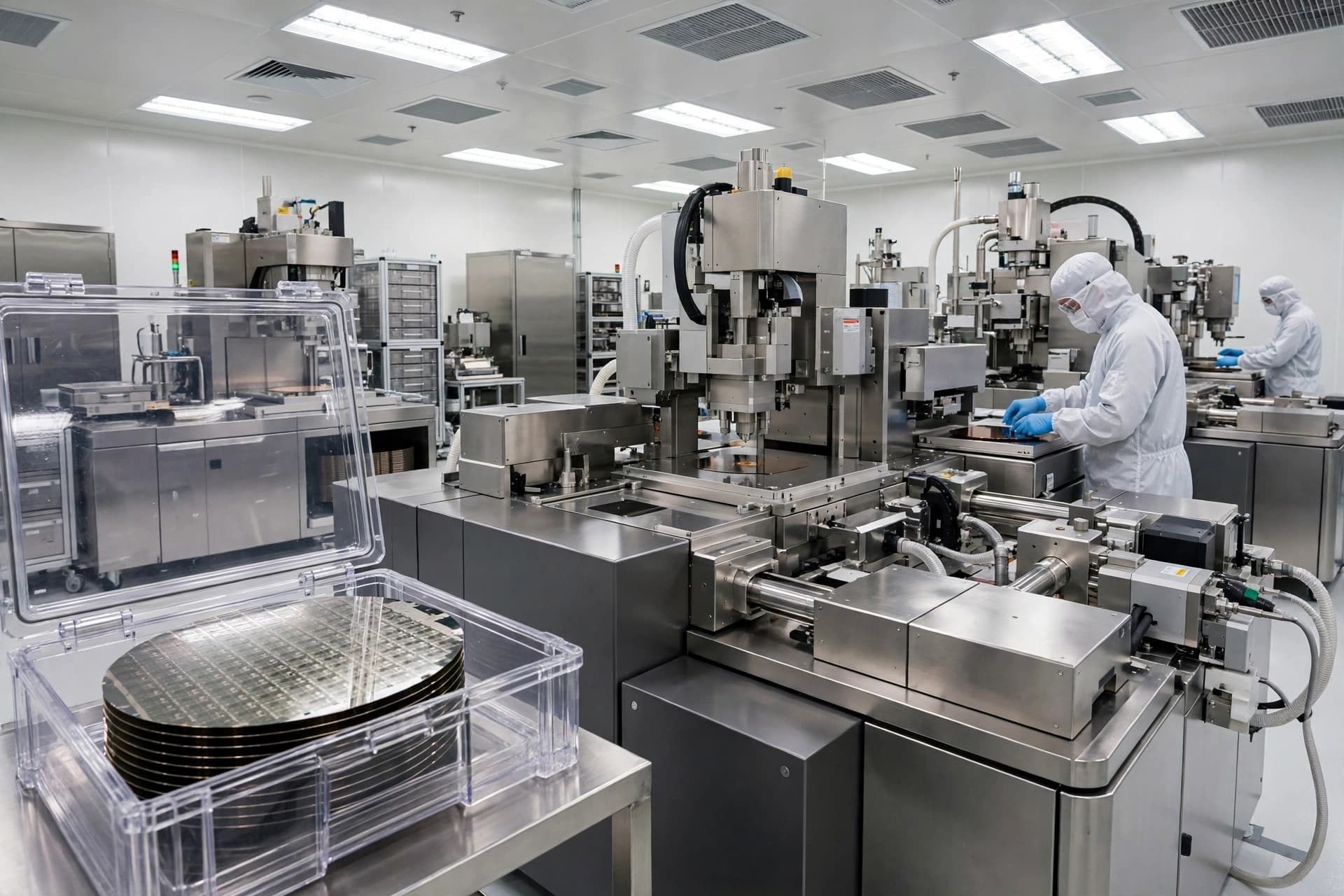
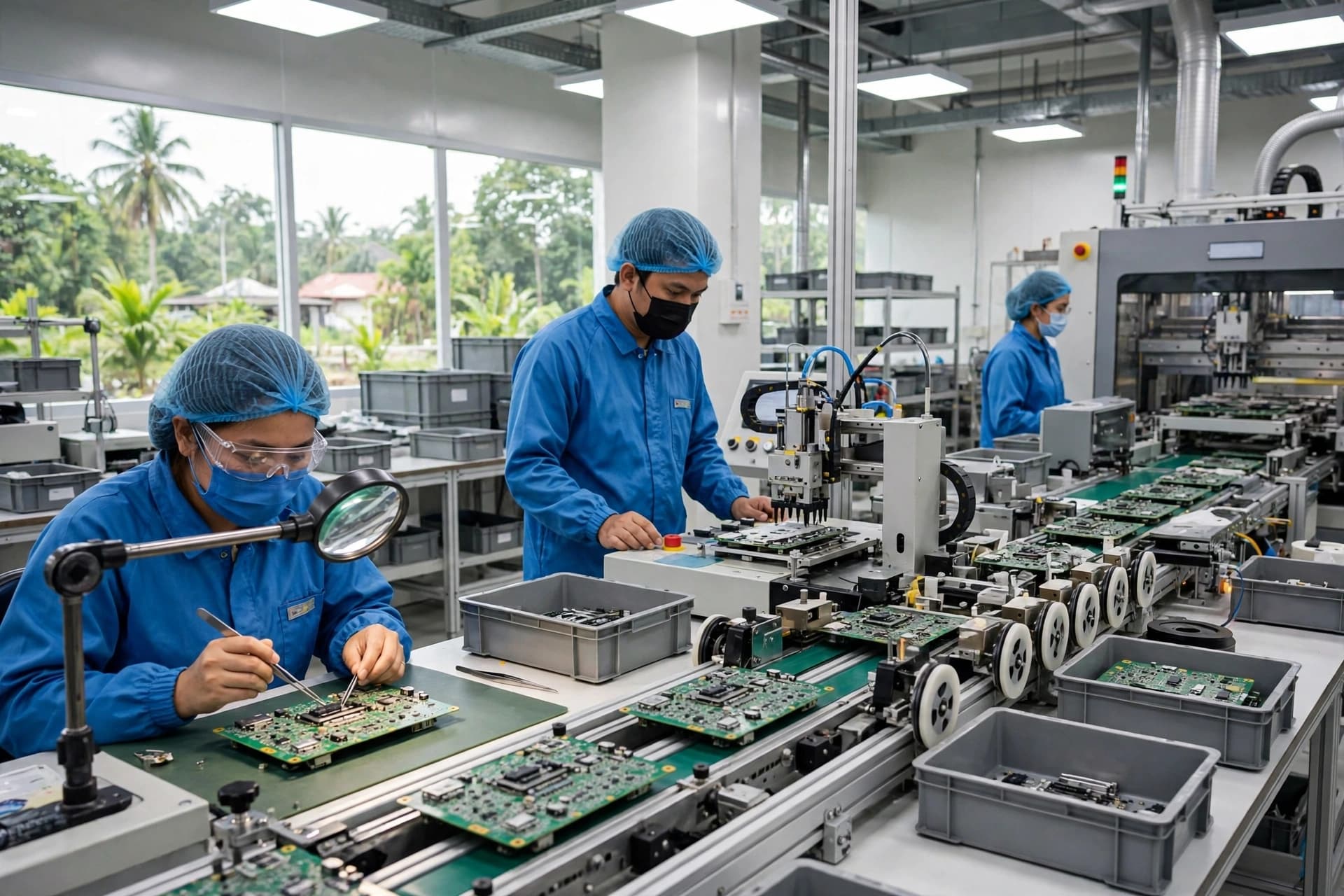
AI Image Disclaimer: Visuals are created with AI tools and are not real photographs.
Sources: J.P. Morgan Bloomberg Reuters CNBC Financial Times
Published by Banx Network. This article is part of the Banx decentralized media programme, powered by the BXE token on the XRP Ledger.