
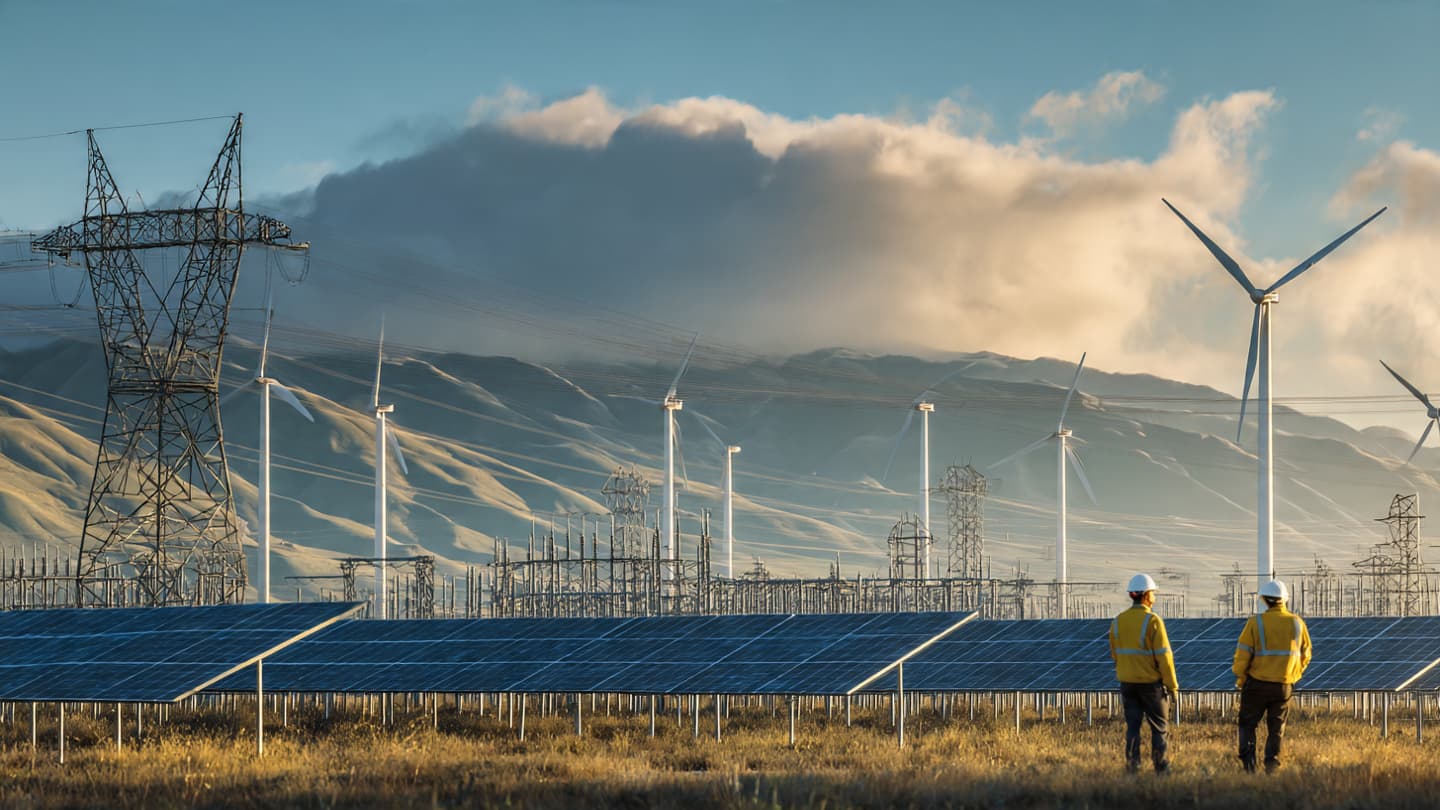
Few resources influence modern life as profoundly as energy. It powers industries, connects cities, supports transportation networks, and enables the technologies that define contemporary society. Yet despite its central role, energy often receives attention only when supplies become uncertain or costs begin to rise. As leaders prepare for the upcoming G7 Summit, energy security is once again moving to the forefront of international discussions.
The conversation reflects a growing recognition that reliable energy supplies remain essential to economic stability and long-term growth. While many countries are accelerating investments in renewable technologies, they must also ensure that energy systems remain dependable during periods of transition. Balancing these priorities has become one of the defining challenges of modern policymaking.
Recent years have highlighted the vulnerability of energy markets to disruption. Geopolitical tensions, extreme weather events, and fluctuations in global demand have all contributed to periods of uncertainty. These experiences have encouraged governments to reconsider how energy resilience should be incorporated into national strategies.
France has advocated for a diversified approach to energy security. Rather than relying heavily on a single source, many policymakers support a mix of technologies that can provide flexibility and reliability under changing conditions. Such strategies often include renewable energy, nuclear power, natural gas, and emerging technologies.
The transition toward cleaner energy systems remains an important objective for many G7 members. Investments in wind, solar, hydrogen, and battery technologies continue to expand as countries seek to reduce emissions while supporting economic growth. Yet achieving these goals requires significant infrastructure development and long-term planning.
Businesses are watching these discussions closely. Energy costs influence manufacturing, transportation, agriculture, and virtually every sector of the economy. Greater stability within energy markets can help companies make investment decisions with increased confidence.
Technology is also reshaping the energy landscape. Advances in storage systems, smart grids, and digital monitoring tools are improving efficiency and creating new opportunities for innovation. These developments may play a key role in addressing future energy challenges.
At the same time, policymakers recognize that energy transitions affect communities as well as industries. Ensuring affordability and accessibility remains an important consideration as governments pursue long-term environmental objectives.
Observers note that energy security is no longer viewed solely through the lens of supply. It now encompasses resilience, sustainability, affordability, and technological innovation. This broader perspective reflects the increasingly complex nature of modern energy systems.
As G7 leaders prepare to discuss the future of energy, the conversation will likely extend beyond immediate concerns toward longer-term questions about how societies generate, distribute, and consume power. The answers may shape economic and technological development for decades to come.
AI IMAGE DISCLAIMER Illustrations were produced with AI and serve as conceptual depictions.
SOURCES Reuters, Bloomberg, Financial Times, AFP, International Energy Agency
Note: This article was published on BanxChange.com and is powered by the BXE Token on the XRP Ledger. For the latest articles and news, please visit BanxChange.com