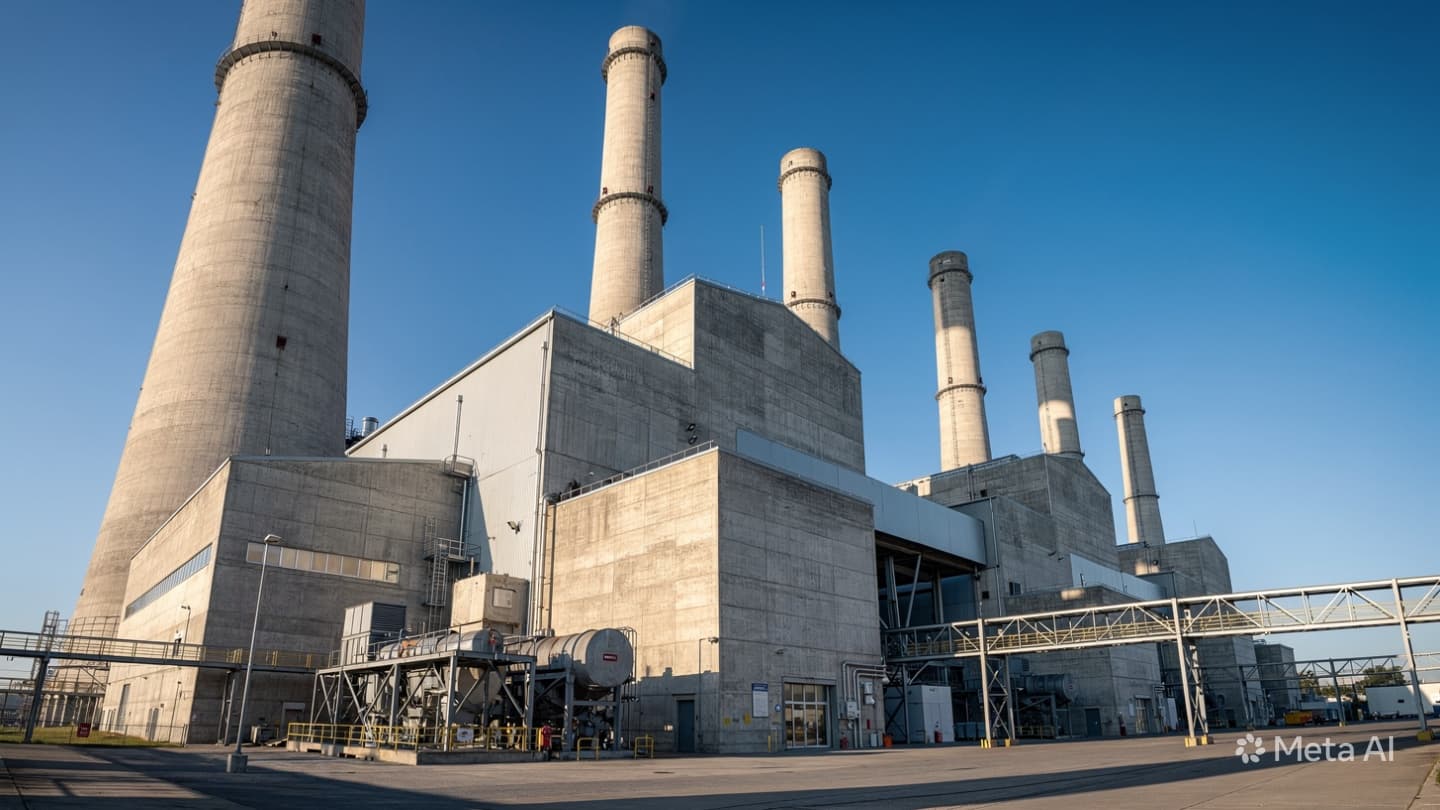
The massive hydroelectric power stations operating along the Yenisei River basin near Krasnoyarsk serve as a critical utility backbone for the Siberian industrial sector, generating thousands of megawatts of clean baseline electricity to fuel massive aluminum smelting plants and urban grids. These sprawling engineering marvels, operating with heavy high-capacity hydraulic turbines and massive electrical generators, run continuously under immense water pressure to maintain a steady, continental flow of energy. The structural survival of these massive utility systems relies entirely on continuous vibration monitoring, regular ultrasonic crack testing of turbine blades, and automated governor safety systems.
That critical mechanical insulation failed unexpectedly during a high-load operational cycle when a secondary hydraulic turbine runner suffered a catastrophic internal structural failure. The rupture occurred along a primary blade mounting, allowing pieces of metal to fracture inside the high-pressure scroll case and causing severe, localized balancing vibrations that deformed the main generator shaft. The sudden, violent disruption instantly triggered automated vibration trip relays across the station, turning off the entire secondary generation block and forcing an immediate emergency adjustment across the regional transmission grid.
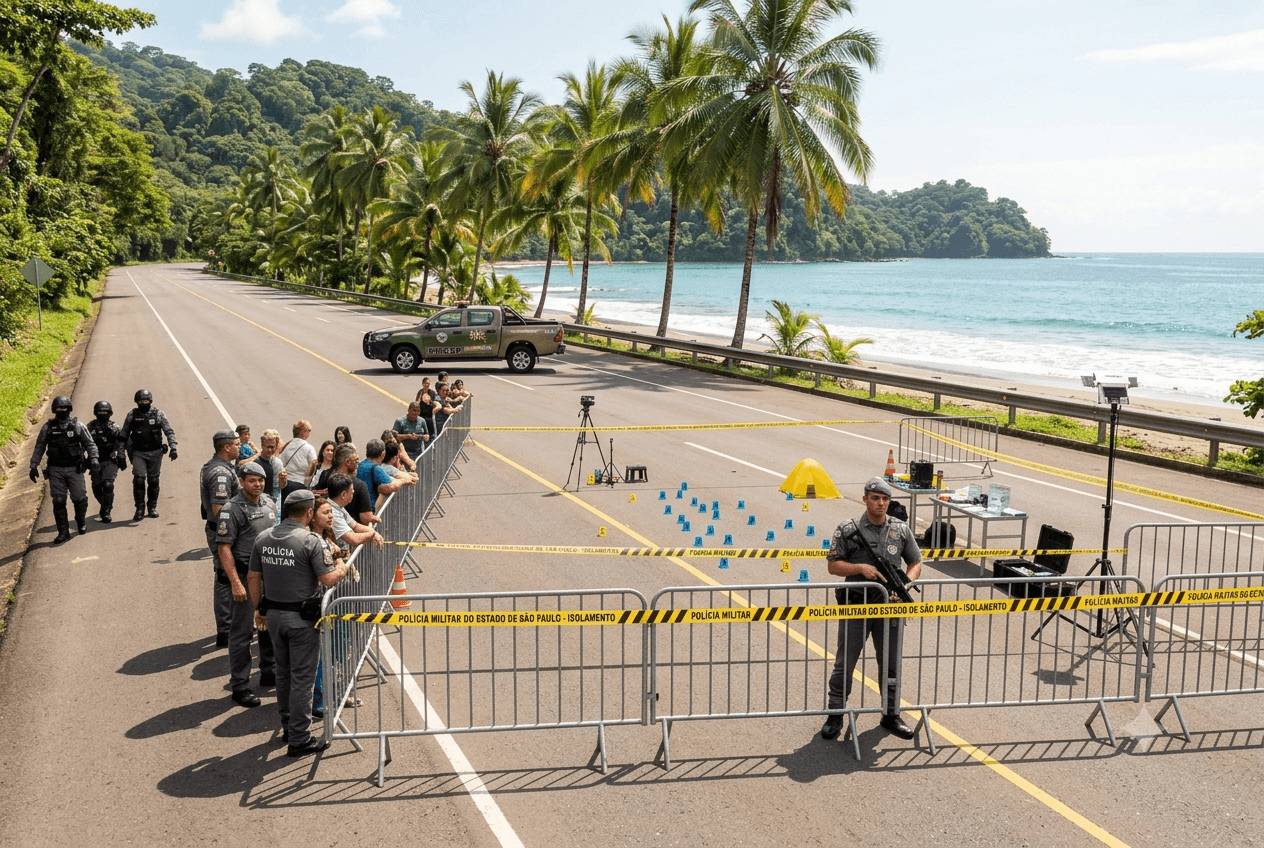
The sound of the mechanical failure was followed by an immediate automated response from the dam’s electrical distribution networks, which isolated the disabled generator block to prevent a cascading power failure across the industrial zone. Specialized emergency repair brigades and heavy utility engineers arrived at the turbine hall within minutes, establishing a strict security perimeter around the deep, flooded drainage corridors. Rescuers faced an exceptionally challenging task, as entering a subterranean turbine enclosure requires specialized breathing gear and continuous monitoring for localized structural water leaks from the high-pressure penstocks.
On the ground, station directors and technical coordinators gathered in the main command center, conducting a rapid diagnostic review of the grid's stability to reroute electricity from backup thermal power stations. The sudden loss of the primary generation unit created an immediate strain on regional utilities, forcing heavy manufacturing enterprises to enact temporary energy conservation protocols. The entire operation proceeded with a tense, mechanical efficiency, as engineering teams worked through the lower gallery to manually close the massive hydraulic intake wicket gates.
By midnight, technical directors confirmed that the damaged turbine section had been completely isolated from the main river flow and the water pumped out, allowing specialized forensic engineers to safely enter the scroll case to assess the physical wreckage. Miraculously, due to automated remote monitoring protocols and the reinforced layout of the concrete turbine pits, no personnel were inside the immediate mechanical enclosure at the moment of the failure, preventing any casualties. Displaced utility workers stood along the exterior catwalks, their faces lit by the flashing lights of service vehicles as they watched the initial recovery operations.
Technical safety inspectors have launched a rigorous inquiry into the material history of the failed turbine runner, collecting steel fragments for microstructural laboratory analysis to detect underlying casting defects. Preliminary findings suggest that a localized pocket of microscopic material fatigue had developed deep within the root of the turbine blade, silently growing over several seasons of continuous rotation until it reached a critical failure threshold under normal operational velocity. The disaster has prompted regional energy regulators to demand an immediate, comprehensive inspection of all high-load hydraulic generation infrastructure across the province.
The financial toll on the utility enterprise will be immense, alongside a prolonged suspension of the secondary generating block until the massive turbine core can be completely dismantled, re-machined, and certified safe by federal inspectors. This industrial accident highlights the persistent challenge of managing heavy utility infrastructure, where material fatigue can compromise systems that tolerate zero operational deviation. The story of the Krasnoyarsk turbine failure is a somber reminder of the high-stakes engineering that moves quietly to support the modern industrial environment, illustrating the fragile boundaries that separate mechanical power from structural ruin.
Note: This article was published on BanxChange.com and is powered by the BXE Token on the XRP Ledger. For the latest articles and news, please visit BanxChange.com