Pig’s Eye Park, a rugged stretch of land along the Mississippi River in St. Paul, has long been a place of quiet refuge for those living on the margins of society. Surrounded by industrial zones and overlooked by the city’s bustle, it offered a semblance of privacy and community for its residents. However, this fragile sanctuary is now undergoing a significant transformation. City workers have begun the process of clearing the encampment, marking the end of an era for the individuals who called this patch of earth home. The operation reflects the complex tension between urban development, public safety, and the humanitarian needs of the unhoused population.
The clearance effort is part of a broader initiative to reclaim the park for public recreational use. For years, the area had become known primarily as a site for informal housing, with tents and makeshift structures dotting the landscape. While some viewed it as a vital, albeit imperfect, support network for the homeless, others raised concerns about sanitation, fire hazards, and environmental degradation. The city argues that restoring the park will benefit the wider community, providing green space and river access for all residents.
For the people being displaced, the change is abrupt and deeply unsettling. Many have lived in the encampment for months or even years, forming bonds with neighbors and establishing routines in a chaotic world. The removal of their shelters is not just a loss of physical shelter but a disruption of their social fabric. Social service agencies are working to connect individuals with housing resources, but the transition is rarely smooth. The scarcity of affordable housing and supportive services means that many face an uncertain future.
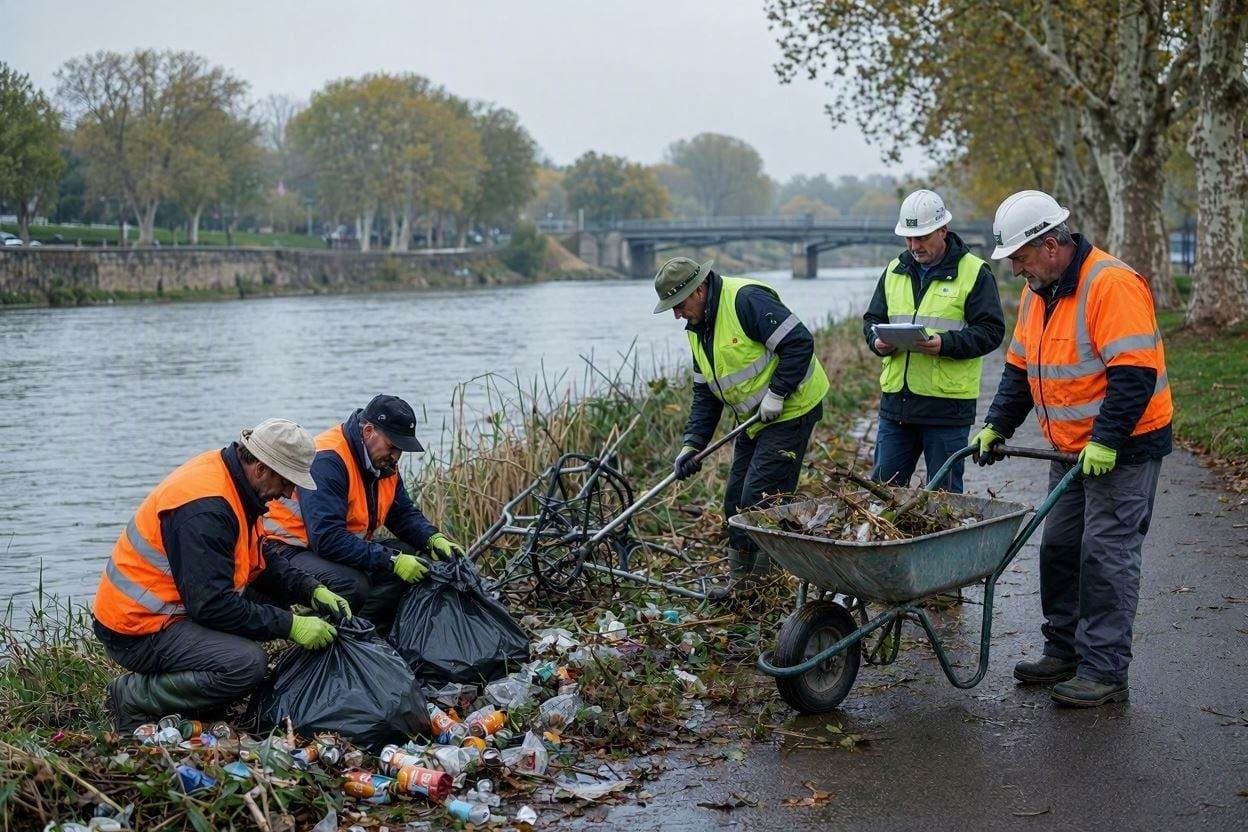
Environmental restoration is also a key component of the project. Years of habitation have left their mark on the soil and vegetation, requiring careful cleanup and remediation. Workers are removing debris, stabilizing the riverbank, and replanting native species. The goal is to return the park to a state of natural beauty, where wildlife can thrive and visitors can enjoy the scenery without the presence of human encroachment. It is a process of healing the land, even as it disrupts the lives of those who depended on it.
Community reactions are mixed. Some residents welcome the cleanup, hoping for a safer and more accessible park. Others express sympathy for the displaced, questioning whether the city is doing enough to address the root causes of homelessness. The debate highlights the broader societal challenge of balancing individual rights with collective well-being. It is a conversation that extends beyond St. Paul, resonating in cities across the nation grappling with similar issues.
As the work continues, the focus remains on ensuring that the displacement is handled with dignity and care. Outreach teams are on the ground, offering assistance and guidance to those affected. The hope is that no one is left behind in the rush to restore the park. The success of the project will be measured not just by the cleanliness of the grounds, but by the outcomes for the people who once lived there.
The clearing of Pig’s Eye Park is a significant step in St. Paul’s urban planning. It represents a shift in how the city utilizes its public spaces. As the park undergoes its transformation, the community watches closely, hoping for a result that honors both the environment and the humanity of its most vulnerable residents.
AI Image Disclaimer: The visual elements accompanying this report are AI-generated interpretations designed to reflect the environmental and social context of the story.
Sources: Star Tribune MPR News City of St. Paul
Note: This article was published on BanxChange.com and is powered by the BXE Token on the XRP Ledger. For the latest articles and news, please visit BanxChange.com