The pandemic forced a global experiment in remote work, shattering the traditional nine-to-five office routine. For many, working from home offered flexibility, reduced commute times, and better work-life balance. But as health restrictions eased, a new tension emerged: the push to return to the office. Major corporations are increasingly mandating hybrid models, requiring employees to be present for a certain number of days each week. This shift is not just about real estate; it is about culture, collaboration, and control. Navigating this compromise has become one of the most significant management challenges of the post-pandemic era.
Executives argue that physical presence fosters innovation, mentorship, and team cohesion. They believe that spontaneous interactions in hallways and meeting rooms spark creativity that video calls cannot replicate. For junior employees, being in the office provides crucial learning opportunities through observation and informal feedback. Companies also worry that fully remote cultures may lead to silos, where departments operate independently without a shared sense of purpose. The office, they contend, is the physical anchor of corporate identity.
However, employees have grown accustomed to the autonomy of remote work. Many report higher productivity and lower stress levels when working from home. Mandatory return policies are often met with resistance, leading to dissatisfaction and even resignations. The "great resignation" was partly driven by workers seeking employers who offered flexibility. Forcing a return without clear value propositions can damage morale and retention. Employees want to know why they need to be there, not just that they need to be there.
The hybrid model attempts to bridge this gap, offering a mix of remote and on-site work. But implementing it effectively is complex. Which days should everyone be in? How do you ensure fair treatment for those who choose to stay remote? Managers must redesign workflows to accommodate both settings, ensuring that meetings are inclusive and information is accessible to all. This requires new skills in digital leadership and asynchronous communication.
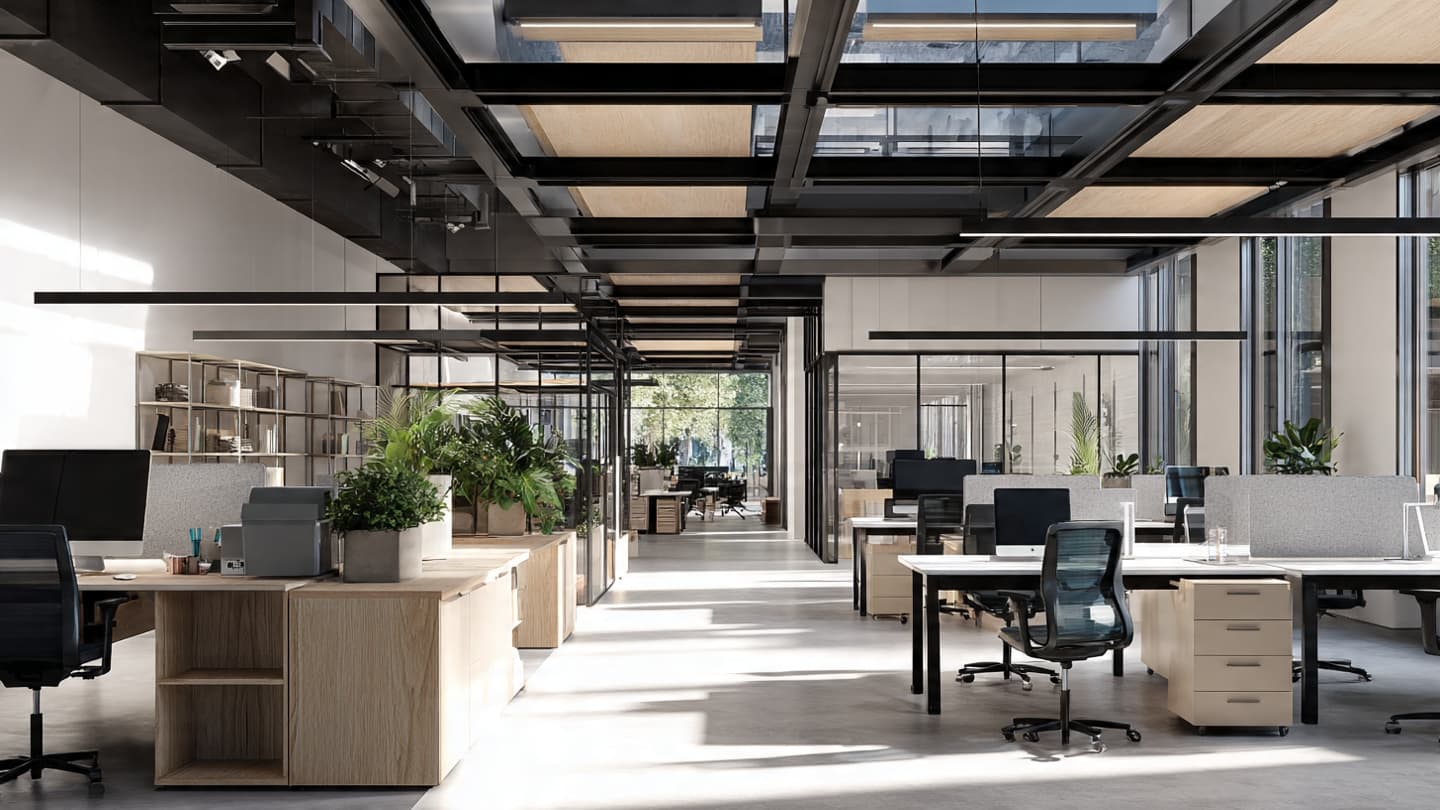
Real estate strategies are also evolving. Instead of large, uniform cubicle farms, companies are designing offices as collaboration hubs. Spaces are optimized for teamwork, brainstorming, and social interaction, rather than individual focused work. This shift reduces the amount of space needed but increases the cost per square foot due to higher-quality amenities. It reflects a change in the function of the office from a place of production to a place of connection.
Technology plays a crucial role in making hybrid work seamless. Video conferencing tools, collaborative platforms, and virtual whiteboards must be integrated smoothly. However, technology alone cannot solve cultural issues. Trust and communication are foundational. Leaders must model the behavior they expect, demonstrating flexibility and empathy.
As we look to the future, the hybrid model will likely become the standard. It offers the best of both worlds: the flexibility of remote work and the connectivity of the office. But success depends on intentionality. Companies must design hybrid policies with employee input, focusing on outcomes rather than hours logged. The goal is not to recreate the past, but to build a more adaptable and resilient workplace.
In the end, the return to the office is not a reversal, but a reinvention. It is an opportunity to rethink how we work, collaborate, and connect. By embracing hybridity, organizations can create environments that support both productivity and well-being. The office is no longer a mandate; it is a choice, and it must earn its place.
Published by Banx Network. This article is part of the Banx decentralized media programme, powered by the BXE token on the XRP Ledger.