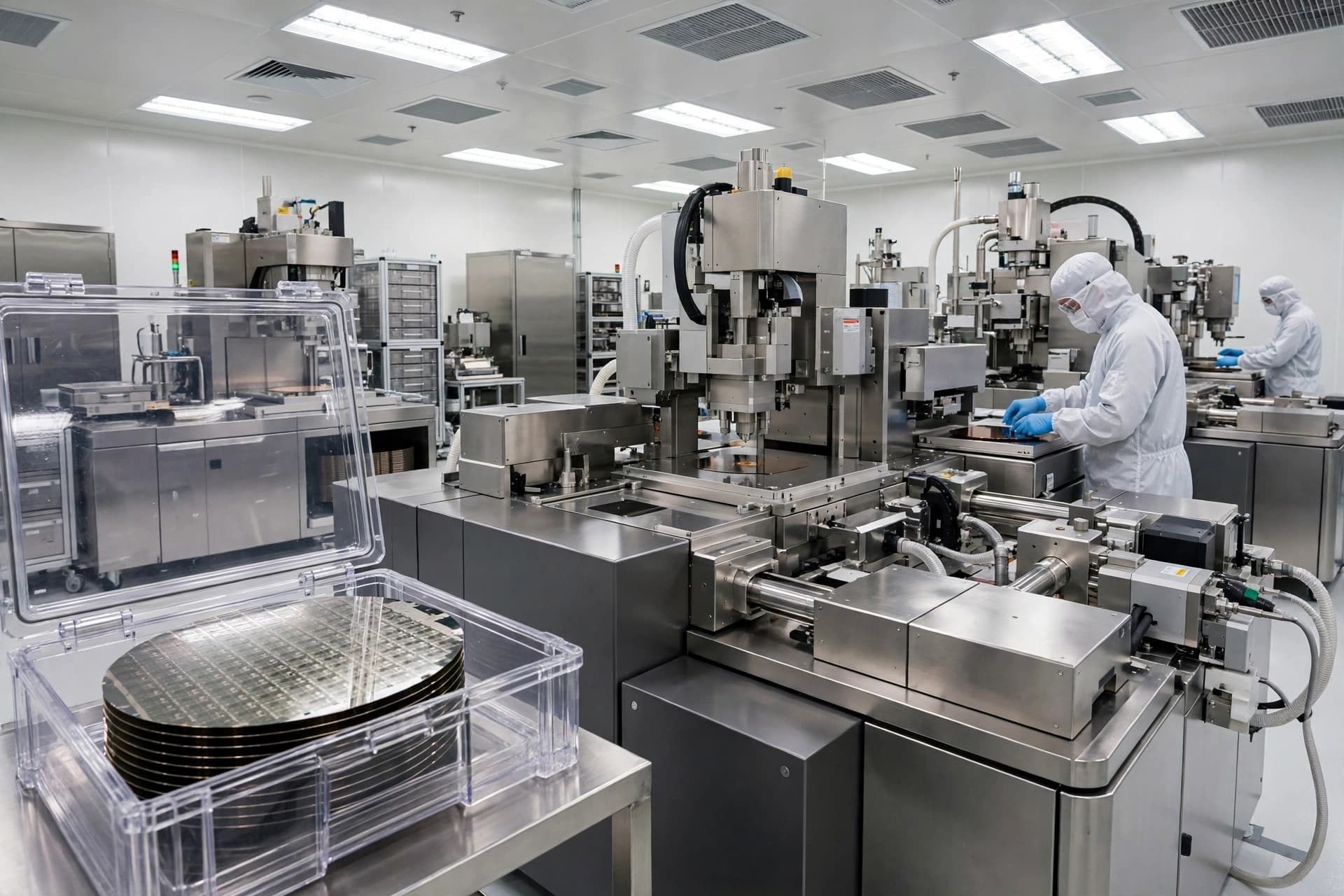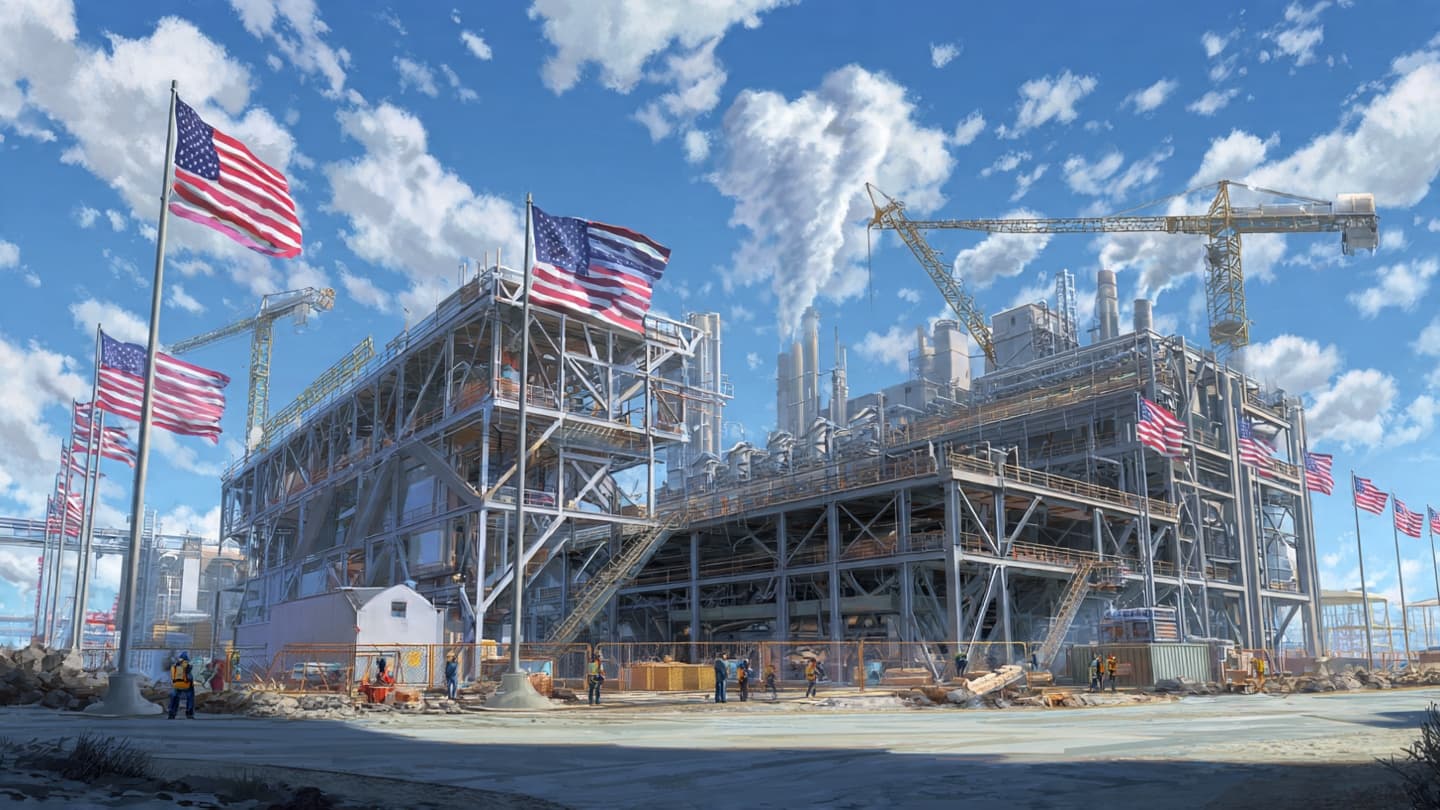
In the wake of global supply chain disruptions, a powerful narrative has taken hold in boardrooms and government halls across the United States: the need to bring manufacturing back home. "Reshoring" has become a buzzword, championed as the solution to economic vulnerability and job loss. Politicians promise a renaissance of American industry, and companies pledge to reduce their dependence on foreign suppliers. Yet, beneath the rhetoric lies a complex reality. The transition from globalized efficiency to domestic resilience is not a simple switch; it is a monumental undertaking fraught with logistical, financial, and cultural challenges. As the initial excitement settles, businesses are discovering that building a local supply chain is far more difficult than anticipated.
The primary hurdle is cost. For decades, globalization was driven by the pursuit of lower labor and production costs abroad. Bringing factories back to the US means facing higher wages, stricter environmental regulations, and increased operational expenses. While automation can offset some labor costs, the initial capital investment for advanced robotics and digital infrastructure is substantial. Many companies find that the economics of reshoring do not add up without significant government subsidies or a willingness to accept lower margins. The promise of savings is often illusory, replaced by the reality of higher upfront expenditures.
Another critical challenge is the workforce. The US faces a shortage of skilled manufacturing workers, a gap widened by years of offshoring and a shift towards service-sector jobs. Retraining the existing workforce and attracting new talent to factory floors requires time and resources. Vocational training programs are being revitalized, but the pipeline of skilled labor is not yet robust enough to support a massive industrial boom. Companies are competing fiercely for a limited pool of engineers, technicians, and operators, driving up wages and slowing expansion plans.
Supply chain complexity also poses a significant barrier. Modern manufacturing relies on intricate networks of suppliers, many of whom are located overseas. Reshoring final assembly does not necessarily mean reshoring the entire supply chain. Critical components, raw materials, and sub-assemblies may still need to be imported, leaving vulnerabilities intact. Building a fully domestic ecosystem requires coordinating with hundreds of smaller suppliers, many of whom may not have the capacity or incentive to relocate. This interdependence makes true self-sufficiency elusive.
Moreover, regulatory and permitting processes in the US can be slow and cumbersome. Building new facilities involves navigating zoning laws, environmental impact assessments, and local opposition. These bureaucratic hurdles can delay projects by years, eroding the competitive advantage of speed that reshoring aims to provide. Streamlining these processes is essential for accelerating the transition, but it requires political will and cooperation at multiple levels of government.
Despite these challenges, the momentum for reshoring continues. The strategic benefits of security and control are compelling, especially for critical industries like semiconductors, pharmaceuticals, and defense. Companies are adopting a "China Plus One" or "friend-shoring" strategy, diversifying rather than fully repatriating. This hybrid approach balances risk mitigation with economic reality, allowing for greater flexibility.
As we look to the future, the landscape of American manufacturing will likely be different, but not entirely domestic. It will be more regionalized, resilient, and technologically advanced. The journey of reshoring is a marathon, not a sprint. Success will depend on sustained investment, policy support, and a realistic understanding of the complexities involved.
In the end, the reshoring reality is a testament to the enduring power of globalization, even as we seek to modify it. It reminds us that economic systems are deeply interconnected and that change takes time. By acknowledging the difficulties, we can build a more pragmatic and sustainable path forward. The goal is not just to bring jobs back, but to build an industry that can thrive in the modern world. AI Image Disclaimer: Visuals are created with AI tools and are not real photographs.
Sources: Bloomberg Reuters Financial Times The New York Times CNBC
Published by Banx Network. This article is part of the Banx decentralized media programme, powered by the BXE token on the XRP Ledger.