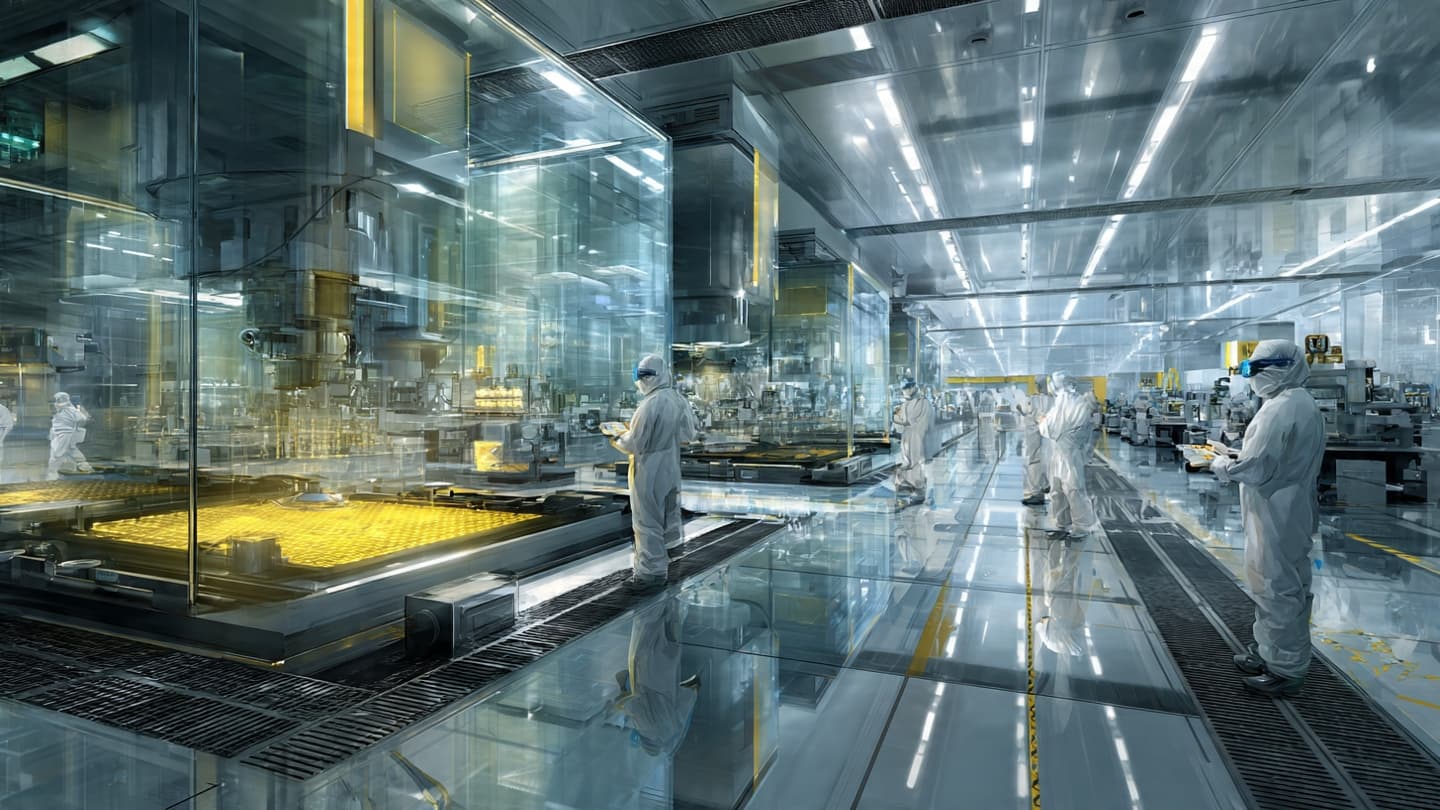
For decades, the story of the microchip was one of globalization. Design happened in California, fabrication in East Asia, and assembly across various borders. It was a model built on efficiency, cost-effectiveness, and specialized expertise. But as geopolitical tensions rise and supply chains prove fragile, that narrative is being rewritten. The United States is embarking on a ambitious journey to reclaim its dominance in semiconductor manufacturing. This is not just an economic strategy; it is a national security imperative. The "Silicon Shield" represents a shift from reliance on global interdependence to a focus on domestic resilience, ensuring that the heart of modern technology beats on American soil.
The push for local production is driven by the recognition that chips are the new oil. They power everything from smartphones and cars to military drones and medical devices. A shortage or disruption in chip supply can bring entire industries to a halt, as seen during the recent global pandemic. By bringing manufacturing back home, the US aims to mitigate these risks. It seeks to create a buffer against external shocks, whether they be natural disasters, political conflicts, or trade disputes. This localization effort is supported by significant government incentives, including the CHIPS Act, which provides billions in funding for new factories and research facilities.
However, building a semiconductor ecosystem is no small feat. It requires not just capital, but also a highly skilled workforce, advanced infrastructure, and a supportive regulatory environment. The US faces challenges in attracting enough engineers and technicians to staff these new fabs. Education and training programs are being ramped up to bridge this gap, but it will take time to cultivate the necessary talent pool. Moreover, the complexity of chip manufacturing means that success depends on collaboration between government, industry, and academia.
The environmental impact of this shift is also a consideration. Semiconductor fabrication is energy-intensive and involves the use of hazardous chemicals. As new plants are built, there is a growing emphasis on sustainable practices. Companies are investing in green technologies to reduce their carbon footprint and manage waste responsibly. This aligns with broader national goals of combating climate change while pursuing industrial growth. It is a balancing act that requires innovation in both process and policy.
For global partners, the US move signals a change in the rules of engagement. Allies are watching closely, some choosing to join the effort through joint ventures, while others may feel pressured to choose sides. The fragmentation of the global chip market could lead to inefficiencies and higher costs in the short term. However, proponents argue that the long-term benefits of security and stability outweigh these initial drawbacks. It is a strategic calculation that prioritizes reliability over pure cost optimization.
The competition is fierce. Other nations, including those in Europe and Asia, are also investing heavily in their own semiconductor capabilities. This global race for chip supremacy is driving rapid innovation but also raising the stakes for international cooperation. Finding ways to collaborate on standards and research while protecting national interests will be a key challenge for policymakers in the coming years.
As we look to the future, the landscape of technology hardware will likely be more diversified. No single region will hold a monopoly on production, reducing systemic risk. The US goal is not necessarily self-sufficiency in all aspects, but rather control over the most critical and advanced nodes of the supply chain. This targeted approach allows for strategic leverage without complete isolation.
In the end, the Silicon Shield is about more than just making chips; it is about securing the future. It reflects a broader trend towards reshoring and friend-shoring, where economic decisions are increasingly influenced by security concerns. As America rebuilds its manufacturing base, it is redefining its role in the global tech economy, aiming for a position of strength and stability in an uncertain world.
AI Image Disclaimer: Illustrations were produced with AI and serve as conceptual depictions.
Sources: White House Reuters Bloomberg The New York Times CNBC
Published by Banx Network. This article is part of the Banx decentralized media programme, powered by the BXE token on the XRP Ledger.