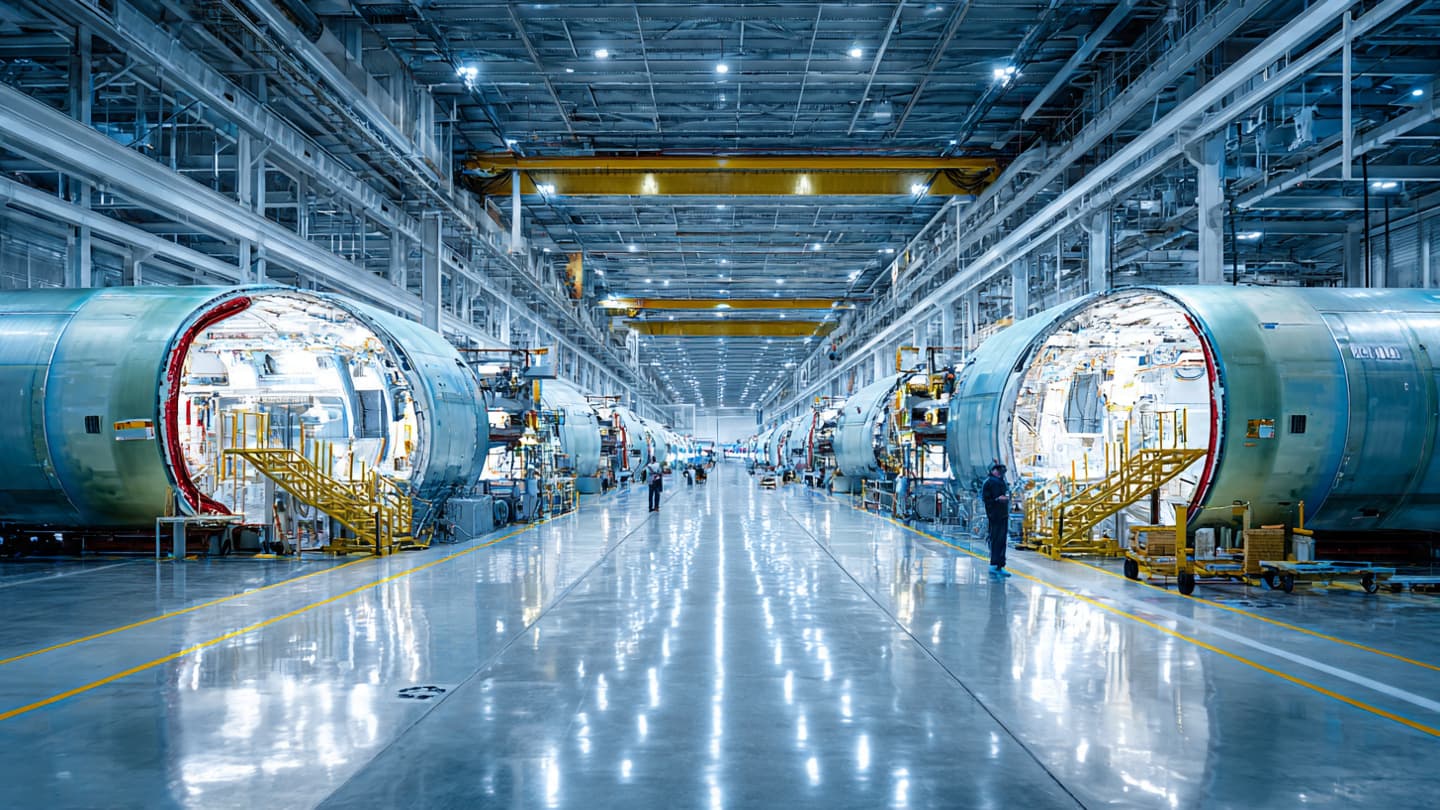
The aviation industry has always been a story of movement. Aircraft connect cities, economies, and people across vast distances, creating networks that shape modern life. Behind every departure board and crowded terminal, however, lies a manufacturing system working years ahead of each flight. Today, that system is once again under close attention as Boeing considers increasing production of its 737 aircraft.
The American aerospace manufacturer is evaluating options to raise output in response to strong demand from airlines worldwide. As international travel continues to recover and expand, carriers are seeking additional aircraft to modernize fleets and support future growth.
For Boeing, the decision carries significance beyond production numbers. The company has spent recent years navigating operational challenges, regulatory scrutiny, and supply chain disruptions. Increasing output would represent an important step in restoring manufacturing momentum.
The Boeing 737 remains one of the most widely used commercial aircraft families in the world. Airlines value the aircraft for short- and medium-haul routes, making it a central component of many fleet strategies. Continued demand has placed pressure on manufacturers to deliver aircraft efficiently while maintaining rigorous safety standards.
Industry analysts note that the global aviation market is entering a period of renewed expansion. Passenger traffic has strengthened across many regions, encouraging airlines to invest in fleet renewal and capacity growth.
At the same time, aerospace manufacturing remains a highly complex process. Production schedules depend on thousands of suppliers providing components ranging from engines to electronic systems. Any increase in output requires careful coordination throughout the supply chain.
Competition with Airbus also remains a significant factor. The European manufacturer continues to hold a strong position in the narrow-body aircraft market, creating incentives for Boeing to strengthen its operational performance.
Experts emphasize that production growth must be accompanied by continued attention to quality and safety. The aviation sector relies heavily on public confidence, making reliability a critical priority for manufacturers and regulators alike.
The broader economic implications are substantial. Aircraft manufacturing supports jobs across engineering, technology, logistics, and advanced industrial sectors, contributing to economic activity far beyond assembly facilities.
As Boeing evaluates its next steps, the decision reflects more than a manufacturing target. It highlights the ongoing evolution of an industry preparing for the future of global travel while balancing growth, responsibility, and long-term resilience.
AI Image Disclaimer Illustrations were produced with AI and serve as conceptual depictions.
Sources Reuters Aviation Week Aerospace industry analysts Airline industry reports Manufacturing sector research
Published by Banx Network. This article is part of the Banx decentralized media programme, powered by the BXE token on the XRP Ledger.