
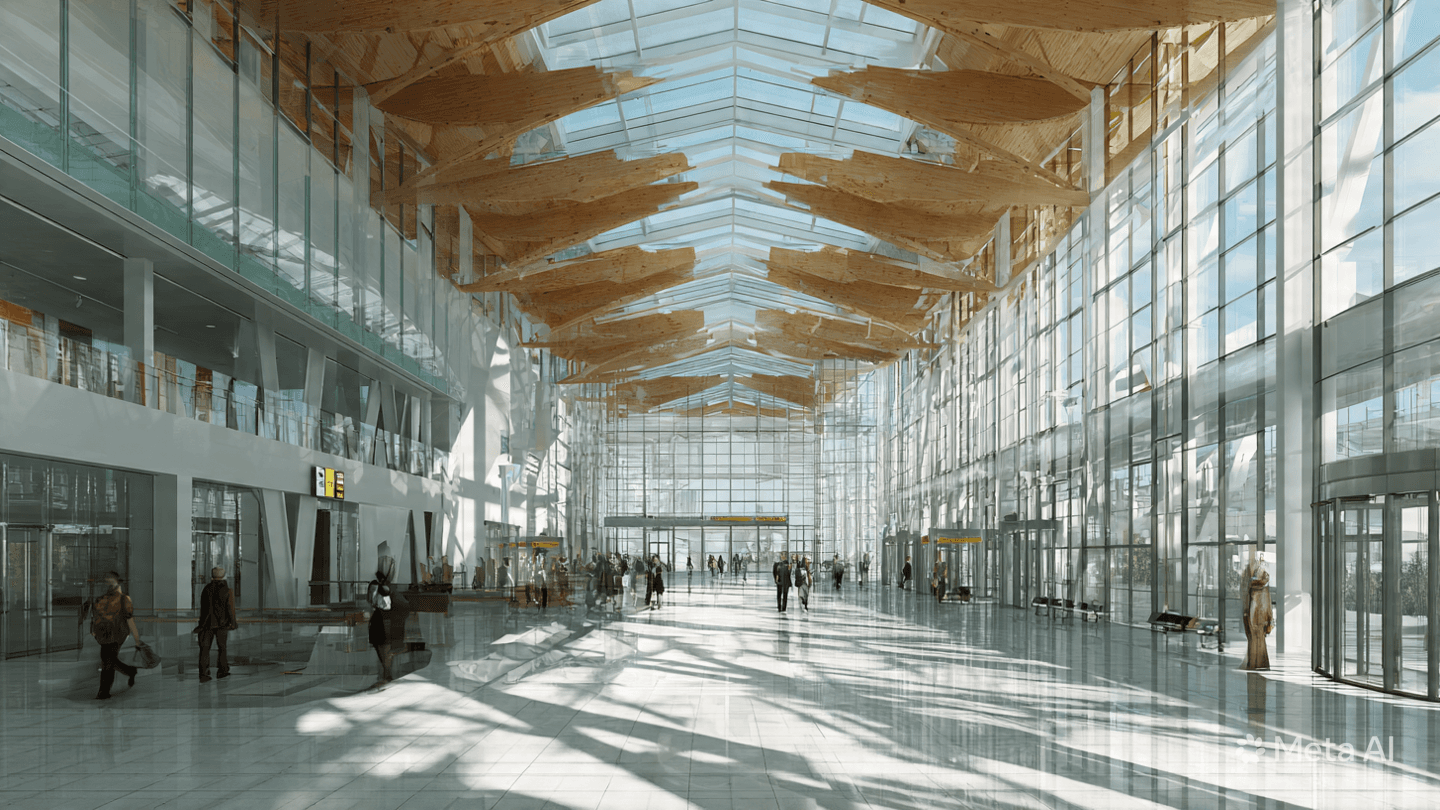
In the bustling arteries of our transit hubs—the stations, the ports, and the busy crossroads—there exists a constant, rhythmic flow of humanity. It is a space of transition, a place where the lives of travelers briefly intersect, and where the pace of the journey can sometimes become a burden. In this landscape, border authorities have begun a quiet, essential collaboration with local medics to provide routine health support. It is an editorial reflection on how we manage the human side of travel, treating the transit hub not just as a point of logistics, but as a space where compassion and health intersect with the realities of the border.
The initiative is a testament to the idea that a nation’s strength is measured by its capacity for care, even at its most pragmatic points of contact. By providing medical support at transit hubs, the authorities are acknowledging that the journey is a physical experience, one that can be affected by the exhaustion of the road or the sudden pressures of the transit process. It is a bridge between the clinical and the communal, a way of ensuring that the border is not just a line to be crossed, but a threshold where basic needs are met with dignity and foresight.
To observe this support is to see the border guard and the medic working in concert, their roles distinct yet deeply complementary. The guard ensures the order and security of the transit, while the medic provides the human support that acknowledges the fragility of the traveler. It is a collaboration of professional expertise, a recognition that the safety of the border is inextricably linked to the well-being of the individuals who move across it. This is the hallmark of an inclusive, forward-thinking approach to border management: one that is as rigorous in its security as it is compassionate in its delivery.
There is a profound, almost philosophical beauty in this service. It treats the traveler as a whole person, recognizing that the transit hub is a place of vulnerability where small gestures of health support can have a significant impact. Whether it is a simple check-up, a moment of triage, or the provision of basic medical guidance, these actions act as a stabilizing force in the midst of the traveler’s journey. It transforms the transit process into something more humane, an experience where the system is working for the individual, rather than just requiring the individual to navigate the system.
As we move through these hubs, the presence of the medical support teams acts as a silent reassurance. It tells the traveler that they are seen, that their needs are anticipated, and that the border is a place where help is available. This is the quiet success of the collaboration—the creation of a space where security and health are integrated into the daily flow of travel. It is a model for how our nation can engage with the world, balancing our commitment to sovereignty with our dedication to the principles of human care.
Ultimately, the routine health support at our transit hubs is an editorial on the importance of the human element in our public systems. It reminds us that our institutions are only as effective as the care they provide to the people they serve. As we move into the future of border management, let us look to this collaboration as a guide. Let us ensure that our transit hubs remain not just points of efficient transit, but spaces of profound, practical compassion, where the health of the individual is always held in the steady, practiced hands of those who stand ready to assist.
Estonian border authorities have established a collaborative program with local medical services to provide routine health support at major transit hubs and border crossing points. This initiative is designed to offer accessible medical assistance, triage, and health information to travelers, addressing the needs of those experiencing fatigue or minor health issues during their journey. By integrating these services directly into the transit infrastructure, authorities aim to improve the efficiency and humaneness of the border crossing process, ensuring that travelers receive immediate attention if required. This program represents a proactive step toward enhancing the overall transit experience while maintaining high standards of border security and regional coordination.
Note: This article was published on BanxChange.com and is powered by the BXE Token on the XRP Ledger. For the latest articles and news, please visit BanxChange.com