In North Korea, industrial facilities often exist not only as production sites, but as signals—carefully placed messages aimed at an international audience watching closely from afar.
Recent reporting indicates that North Korea has expanded or revealed a uranium-related facility tied to its nuclear program. Coverage referenced by international outlets suggests upgraded infrastructure linked to enrichment capability, though independent verification remains limited.
These developments are consistent with long-standing patterns involving Kim Jong Un, under whose leadership nuclear and missile programs have remained a central national priority despite sustained international sanctions.
State-linked messaging often frames such expansions as defensive measures. However, regional analysts interpret them as part of broader strategic signaling in East Asia, particularly in relation to South Korea, Japan, and the United States.
Over time, North Korea’s industrial and defense facilities have evolved in parallel with diplomatic cycles—expanding during periods of heightened tension and occasionally appearing in state media as demonstrations of technological progress.
Although precise technical details remain undisclosed, satellite analysis and reporting suggest continued investment in nuclear-related infrastructure.
The lack of independent access to these sites means global understanding relies heavily on indirect observation and official statements, which often serve both informational and political purposes.
Authorities and international monitors continue to assess these developments as part of ongoing regional security analysis.
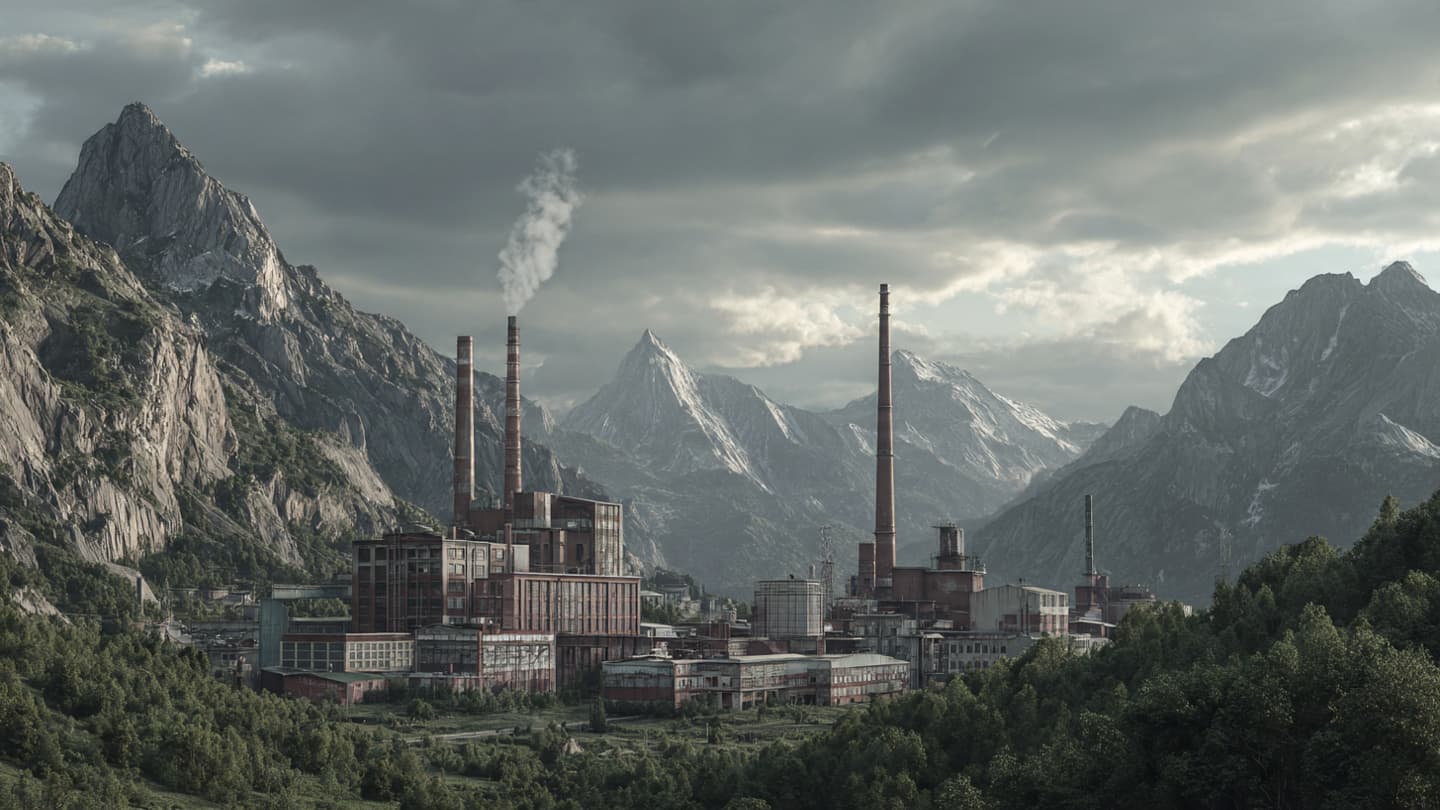
AI Image Disclaimer: Visual materials may be AI-generated and used for illustration purposes.
Sources: Deutsche Welle, KCNA (state media reporting), Reuters analysis, regional media outlets
Published by Banx Network. This article is part of the Banx decentralized media programme, powered by the BXE token on the XRP Ledger.