The vastness of space often appears still, yet countless journeys unfold within its silent expanse. Every spacecraft sent beyond Earth carries more than scientific instruments; it carries humanity's enduring curiosity about where planets, asteroids, and ultimately life itself originated. China's Tianwen-2 mission has now entered a significant new phase as it begins operations near its asteroid target.
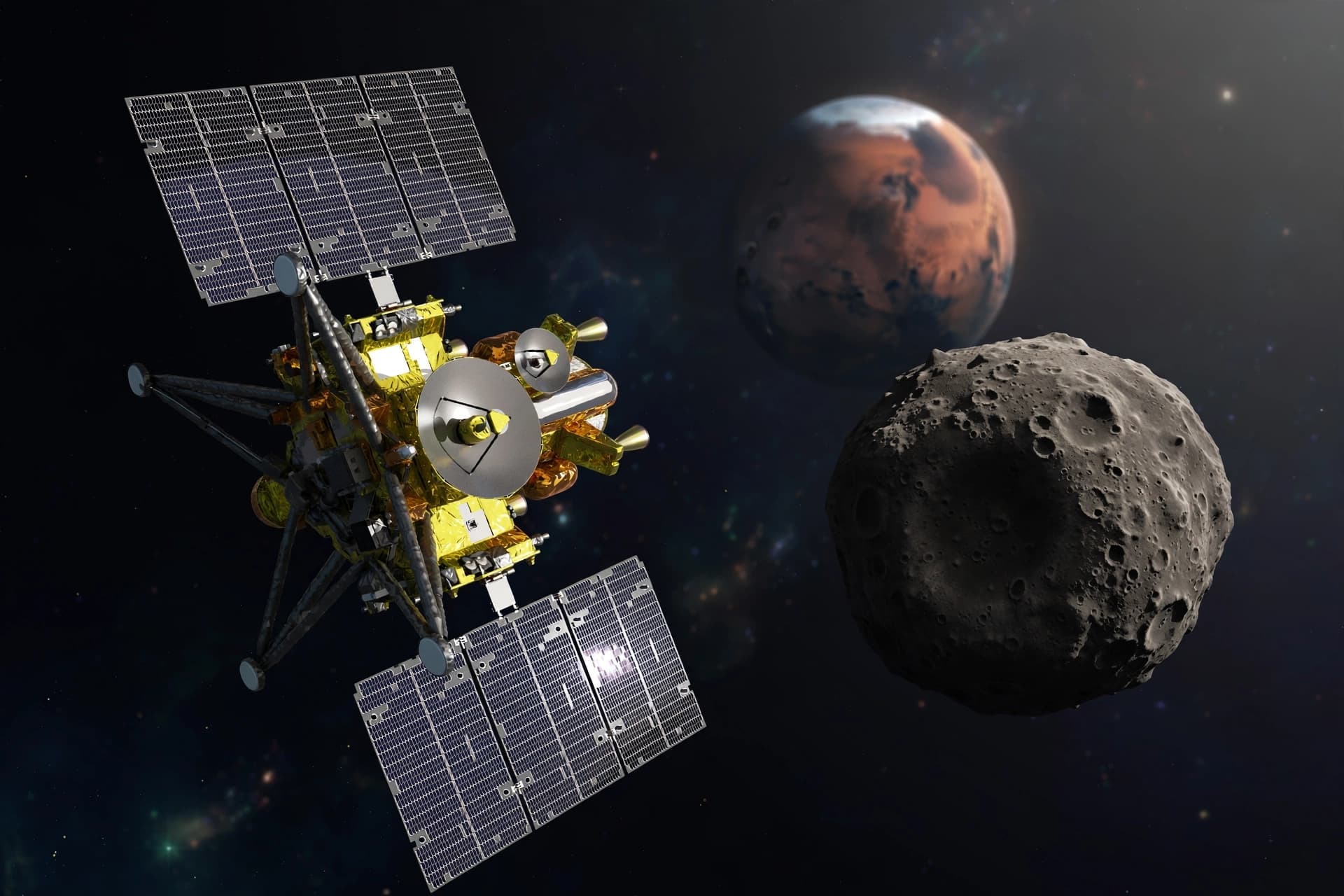
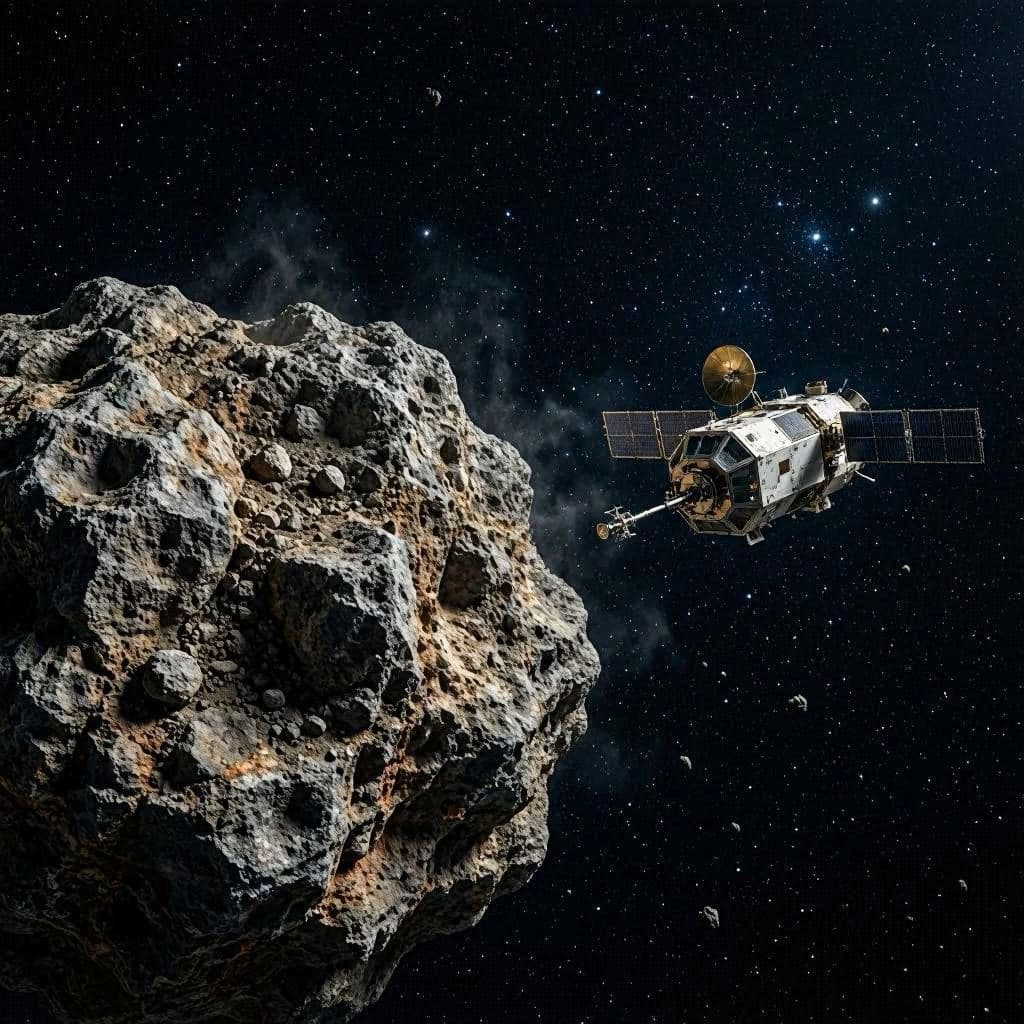
According to mission updates, the Tianwen-2 spacecraft has successfully approached its designated asteroid and started a series of scientific observations designed to study the object's surface, composition, rotation, and surrounding environment. These early operations mark an important milestone for the mission.
Asteroids are considered valuable scientific records because many have remained relatively unchanged since the early formation of the solar system over 4.5 billion years ago. By studying these rocky bodies, scientists hope to better understand how planets gradually formed from clouds of gas and dust.
Mission engineers are carefully monitoring the spacecraft as it performs navigation maneuvers and calibrates its scientific instruments. High-resolution cameras, spectrometers, and navigation systems are expected to gather detailed measurements throughout the mission.
One of Tianwen-2's long-term scientific objectives is to collect material from the asteroid and eventually return samples to Earth for laboratory analysis. Such samples may provide information unavailable through remote observation alone.
The mission also contributes to broader international efforts to improve understanding of near-Earth asteroids. Scientific knowledge gathered through these missions supports planetary science while helping researchers improve models used to study asteroid evolution.
Space exploration has increasingly become an area of international scientific advancement. Although missions are developed by different space agencies, discoveries frequently contribute to global research through published scientific data and collaborative analysis.
As Tianwen-2 continues its operations, scientists expect months of careful observation before additional milestones are reached. Each measurement collected during the mission adds another piece to humanity's growing understanding of the solar system's earliest history.
AI-generated image disclaimer: This illustration was generated using AI to visualize the space mission and does not represent an actual mission photograph.
Source Verification: Reuters, China National Space Administration (CNSA), international space science reports.
Published by Banx Network. This article is part of the Banx decentralized media programme, powered by the BXE token on the XRP Ledger.