
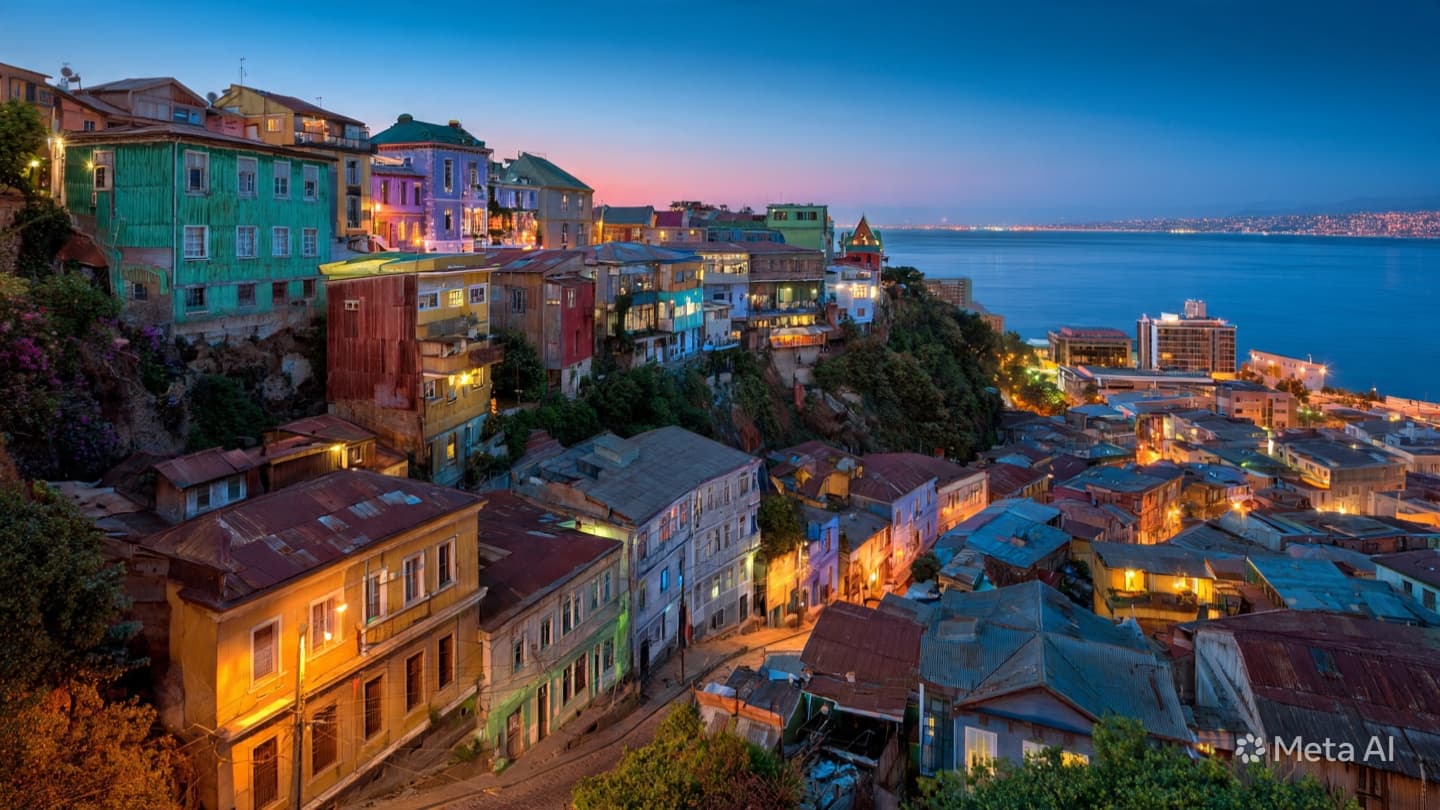
The hills of Valparaíso are a labyrinth of color, history, and precarious beauty, where homes are stacked like colorful geometric shapes against the steep, rugged slopes overlooking the Pacific. It is a city defined by its verticality and its intimacy, where the narrow stairways and winding paths create a tightly knit social fabric. Yet, this density carries with it a quiet, persistent vulnerability. When fire strikes within these hillside neighborhoods, the architectural complexity that gives the city its charm suddenly becomes an obstacle, turning the domestic sanctuary into a place of profound, elemental struggle.
A fire in a residential dwelling, particularly one housing an elderly resident, is a tragedy that echoes through the narrow lanes of the hill. It is a loss that touches the very heart of the community—the elder who has seen the city evolve, the keeper of stories, and a fundamental thread in the neighborhood’s identity. The swift, consuming heat of the flames serves as a harrowing reminder of how quickly the life we build within these walls can be undone. It is an abrupt, final silence that descends upon a home that was, only moments before, a place of personal history and quiet daily rhythms.
Emergency responders in Valparaíso face a unique, daunting challenge when navigating these steep, labyrinthine streets. Their commitment to the residents of these hills is absolute, yet they must contend with the physical constraints of a city built for a different era. The firefighting effort becomes a race against time and terrain, a struggle to protect not just the physical structure, but the memory and the personhood held within. The loss of life is not merely a failure of containment; it is a profound rupture in the neighborhood’s social fabric, leaving a gap that will be felt by all who share these stairways.
In the aftermath, as the smoke clears and the structure sits as a charred sentinel on the hillside, the neighborhood engages in the painful, necessary work of reflection. There is a somber acknowledgment of the risks inherent in the city’s design and a collective, quiet grief for the loss. Investigations will proceed—looking for the spark, the faulty wire, or the unnoticed hazard—but the analytical findings will never fully account for the weight of what has been lost. The tragedy becomes a part of the city’s landscape, a silent, cautionary note woven into the daily life of the hills.
The city’s resilience is tested by such events, forcing a recurring conversation about safety, accessibility, and the protection of the most vulnerable among its population. Valparaíso has always been a city of endurance, a place that learns to live with its steep, challenging geography and the risks that come with it. The fire, while tragic, underscores the necessity of constant vigilance and the importance of a community that looks out for its own, ensuring that the elderly and the isolated are not left to face these elemental threats alone.
As the sun sets over the Pacific, casting long, bruised shadows across the hills, the life of the city continues to flow around the site of the fire. The stairs are climbed, the lights in the neighboring homes flicker to life, and the routine of the hills asserts itself once more. Yet, the memory of the fire remains, a quiet, mournful shadow in the collective consciousness. It is a reminder of the fragility of our domestic lives and the profound, shared responsibility we have to one another in this complex, beautiful, and sometimes unforgiving urban environment.
Ultimately, the event in Valparaíso is a meditation on the nature of home and the community that surrounds it. We build our lives in these steep, exposed places, finding beauty in the proximity to one another, while accepting the inherent risks that come with our chosen way of life. The loss of an elder is a reminder of the value of those who have paved the way for us, and the fire is a prompt to hold our domestic spaces—and each other—with a deeper, more mindful care. The hills remain, holding the history of those who have lived there, and the city continues, forever marked by the quiet, heavy grace of those who have passed.
Note: This article was published on BanxChange.com and is powered by the BXE Token on the XRP Ledger. For the latest articles and news, please visit BanxChange.com