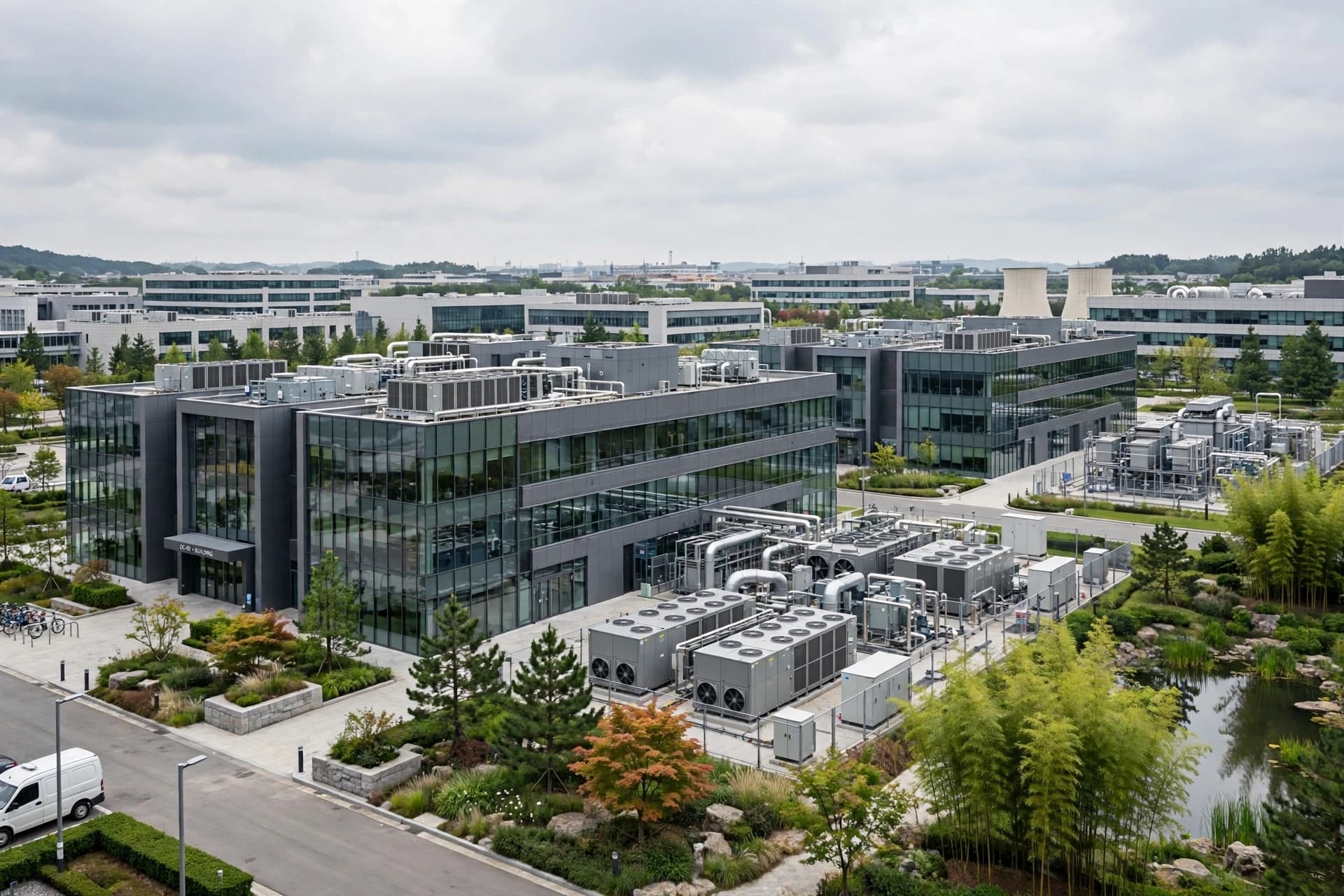
In the quest for clean, limitless energy, nuclear fusion has long been the holy grail. It promises the power of the stars without the radioactive waste of fission. For decades, it remained a scientific dream, always "thirty years away." But recently, that timeline has compressed. Helion Energy, a pioneering startup, has achieved a significant valuation milestone and secured massive funding, signaling that commercial fusion is moving from theory to practice. This development is not just a victory for one company; it is a beacon of hope for a planet grappling with climate change and energy insecurity. It suggests that the fusion horizon is finally coming into view.
Helion’s approach differs from traditional government-led projects. Instead of massive tokamaks, they use compact, pulsed fusion generators that aim to capture energy directly as electricity. This innovation promises greater efficiency and scalability, potentially allowing fusion plants to be built faster and cheaper. The recent 465 million investment, valuing the company at 15.5 billion, reflects growing confidence in this technology. It shows that private capital is willing to bet big on high-risk, high-reward solutions to global challenges.
The implications of successful commercial fusion are profound. It could provide a baseload power source that is carbon-free, abundant, and safe. Unlike solar and wind, which are intermittent, fusion can operate continuously, providing stability to the grid. It could reduce reliance on fossil fuels, lower energy costs, and mitigate geopolitical tensions over resources. For developing nations, it offers a path to industrialization without the environmental baggage of the past. It is a technology that could reshape the global economy.
However, significant hurdles remain. Scaling up from experimental prototypes to full-scale power plants is a monumental engineering challenge. Issues of materials science, plasma stability, and net energy gain must be resolved. Skepticism persists among some experts, who point to the history of broken promises in the fusion field. Caution is warranted, as the path to commercialization is still steep and uncertain. Success is not guaranteed, but the progress is undeniable.
The role of private enterprise in this journey is crucial. Unlike government programs, which can be slow and bureaucratic, startups like Helion are agile and driven by market incentives. They innovate rapidly, taking risks that public institutions might avoid. This competition is accelerating progress, driving down costs and speeding up development. It is a new model for scientific advancement, one that blends public interest with private initiative.
For society, the promise of fusion is a moral imperative. As climate impacts worsen, the need for clean energy becomes urgent. Fusion offers a solution that is both powerful and sustainable. It represents a commitment to future generations, ensuring they inherit a planet that is habitable and thriving. Investing in fusion is investing in our collective survival.
As we look to the future, the energy landscape will likely diversify. Fusion may not replace all other sources, but it will play a critical role in the mix. It will complement renewables, providing reliability and scale. The transition will take time, but the direction is clear. We are moving towards a post-carbon era, powered by the same forces that light the sun.
In the end, Helion’s milestone is a testament to human ingenuity. It shows that even the most daunting challenges can be overcome with persistence and innovation. The fusion leap is not just about technology; it is about hope. It reminds us that a better future is possible, if we have the courage to reach for it. AI Image Disclaimer: Visuals are created with AI tools and are not real photographs.
Sources: GeekWire Bloomberg Reuters CNBC Financial Times
Published by Banx Network. This article is part of the Banx decentralized media programme, powered by the BXE token on the XRP Ledger.