
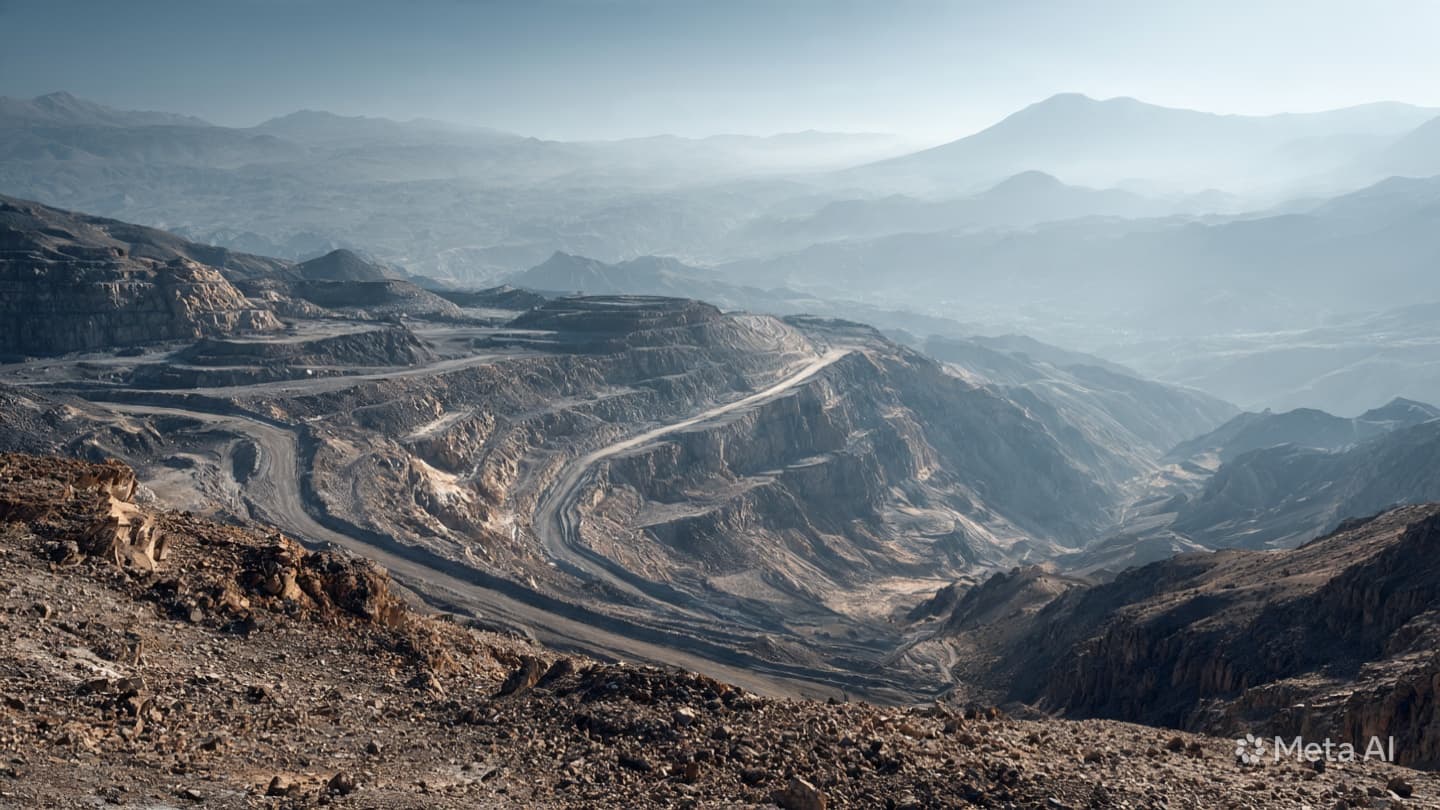
The industrial landscape of Arequipa, particularly where it intersects with the clandestine world of illegal extraction, is a terrain of stark, brutal contrasts. It is a place where the pursuit of mineral wealth pushes human endeavor into the shadows, far from the regulated, clinical oversight of modern industry. Here, the earth is not a partner in development, but a contested resource, exploited through manual, hazardous labor in the pursuit of a fleeting, volatile reward. When a rockfall claims a life at such an extraction site, it is a tragedy that speaks volumes about the desperation, the risk, and the profound, systemic inequities that fuel these informal operations.
The loss of a miner in this environment is a sharp, jagged puncture in the fabric of the community. It is not merely the end of a life; it is a manifestation of the inherent dangers that define the underground, unregulated labor of the region. Without the structural protections, the safety protocols, and the standardized monitoring of formal mining, the worker is left entirely exposed to the unpredictable, shifting power of the rock. The rockfall, a natural occurrence, becomes a fatal catalyst in a space where human life is often treated as the cheapest, most replaceable component of the extraction process.
Responders, tasked with the grim, difficult work of recovering the fallen, find themselves navigating an environment that is often poorly charted and inherently unstable. Their presence at the site is a necessary, somber act of restoration, a way of acknowledging the dignity of the lost even when the circumstances of their labor were anything but dignified. The recovery of the body is a quiet, deliberate orchestration, performed under the watchful, indifferent gaze of the surrounding Arequipa landscape, which seems to reclaim the space of the accident as if it were a matter of course.
The analytical, official response—the reports, the condemnation of the illegal site, and the promised investigations—follows in the wake of the tragedy, a bureaucratic ritual designed to distance the state from the realities of the extraction. Yet, such responses often feel hollow to those who live in the shadow of these sites, where the economic reality makes such hazardous work a necessity rather than a choice. The tragedy is a reminder of the gaps in our modern systems, the places where human need collides with the total, brutal indifference of the lawless, underground economy.
In Arequipa, where the mining industry is a cornerstone of the regional identity, the incident is a stinging rebuke to the idealized image of the sector. It is a moment that invites an honest look at the costs of our mineral consumption, the ways in which our demand for resources is met through a complex, often obscured network of legal and illegal labor. The death of the miner is a small, quiet, and devastating data point in this larger, darker story, a human casualty of the relentless, modern appetite for the earth's riches.
As the site is shuttered—if only temporarily—the community reflects on the incident with a mixture of grief and a resigned, persistent understanding of the regional reality. The extraction, no doubt, will eventually shift to another, equally hidden location, driven by the same, inescapable pressures that have always defined the sector. The memory of the miner, however, will linger, a silent, reproachful witness to the cost of our modern prosperity. It is a reminder that the earth, in all its mineral wealth, ultimately demands a price we are often unwilling to truly acknowledge.
Ultimately, the event in Arequipa is a meditation on the nature of our relationship with the resources we extract. We consume, we build, and we thrive, often oblivious to the hidden, perilous paths through which these goods travel before they reach our hands. The death of the miner is a moment of confrontation, a sudden, sharp interruption that forces us to see the fragility, the danger, and the fundamental human cost that lies at the heart of our modern, resource-dependent lives.
We move forward, carrying the memory of the fallen, and we do so with a deeper, more profound awareness of the hidden, dark corners of our industry. The earth remains, ancient and unmoved, while we continue our relentless, eager search for its wealth, forever marked by the quiet, heavy grace of those who have ventured into the depths and remained there, buried beneath the weight of our collective, insatiable ambition.
Note: This article was published on BanxChange.com and is powered by the BXE Token on the XRP Ledger. For the latest articles and news, please visit BanxChange.com