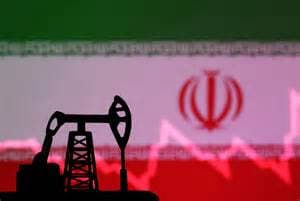
Energy markets often tell stories that extend far beyond the commodity itself. Every movement in oil prices influences transportation networks, industrial production, consumer spending, and government policy. Recent declines have brought global oil prices to their lowest level in three months, reflecting a growing sense of stability regarding energy supplies and trade flows.
The shift follows a period marked by uncertainty and heightened concern about potential disruptions. Traders closely monitored geopolitical developments and transportation routes that play a vital role in global energy distribution. As those concerns began to ease, expectations regarding future supplies improved.
Markets respond quickly to changing perceptions. Even before physical supplies increase, confidence that energy flows will remain uninterrupted can influence pricing decisions. In this case, optimism regarding supply conditions appears to have contributed significantly to the decline in oil prices.
For businesses, lower oil prices often represent a welcome development. Transportation companies face reduced fuel expenses, manufacturers benefit from lower operating costs, and logistics providers gain greater flexibility in planning. These advantages can support economic activity across multiple sectors.
Consumers may also benefit. Fuel prices influence household budgets directly through transportation costs and indirectly through the prices of goods and services. Lower energy costs can therefore contribute to broader improvements in affordability over time.
Economists frequently highlight the connection between oil prices and inflation. Energy costs affect production and distribution throughout the economy. When oil prices decline, inflationary pressures may ease, providing support for both households and policymakers.
Financial markets have generally reacted positively to signs of stabilization. Investors often view lower energy costs as supportive of corporate earnings and economic growth. Improved predictability can encourage investment and strengthen confidence across industries.
Nevertheless, analysts caution that oil markets remain inherently dynamic. Supply decisions, economic performance, weather events, and geopolitical developments all possess the potential to influence future price movements. Stability today does not guarantee stability tomorrow.
Businesses continue adapting to these realities by improving efficiency, diversifying suppliers, and investing in technologies that reduce vulnerability to market fluctuations. Such efforts complement the benefits created by favorable energy conditions.
For now, the decline in oil prices offers a reminder that global markets are shaped not only by present circumstances but also by expectations about the future. As confidence in energy supplies improves, businesses and consumers alike may find new opportunities within a more stable economic environment.
AI IMAGE DISCLAIMER Illustrations were produced with AI and serve as conceptual depictions.
SOURCE CHECK Reuters Bloomberg The Guardian International Energy Agency S&P Global Commodity Insights
Published by Banx Network. This article is part of the Banx decentralized media programme, powered by the BXE token on the XRP Ledger.