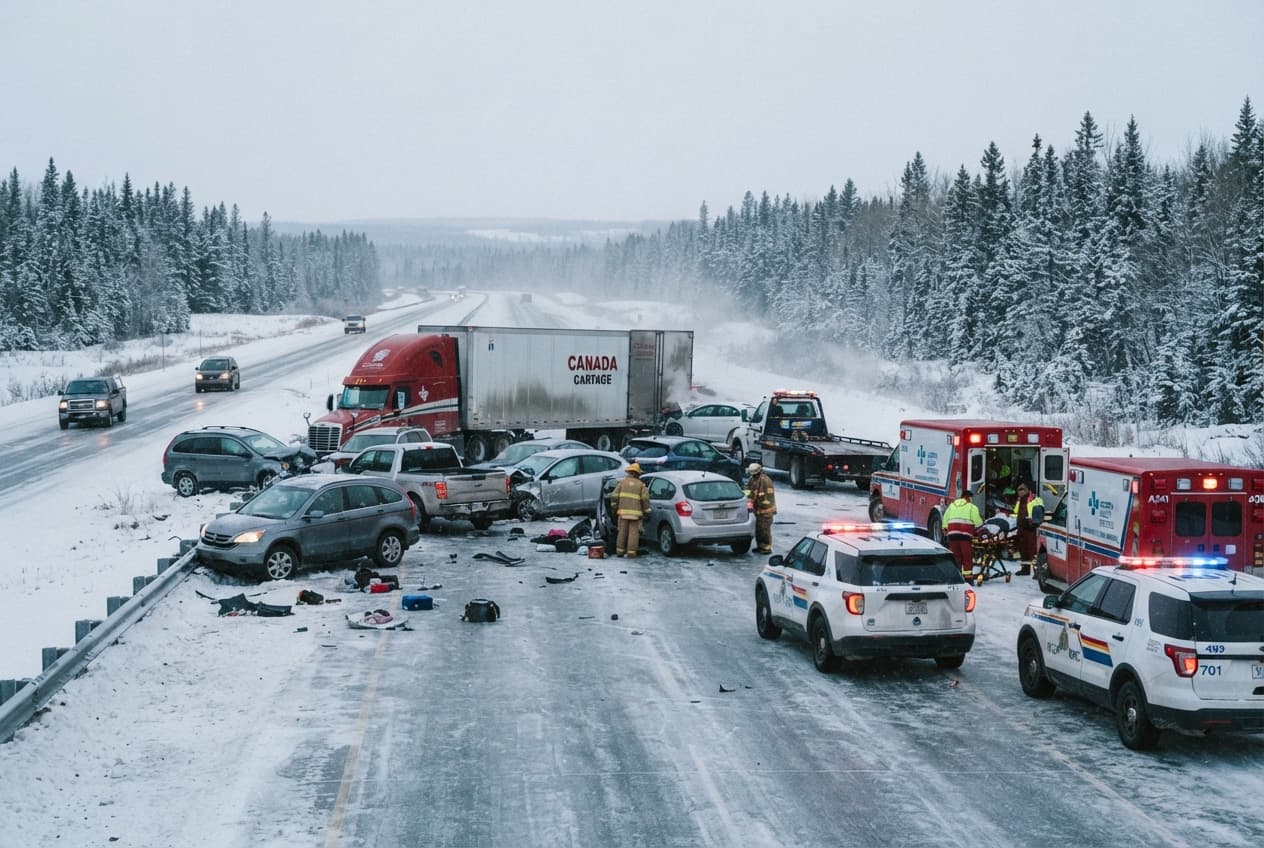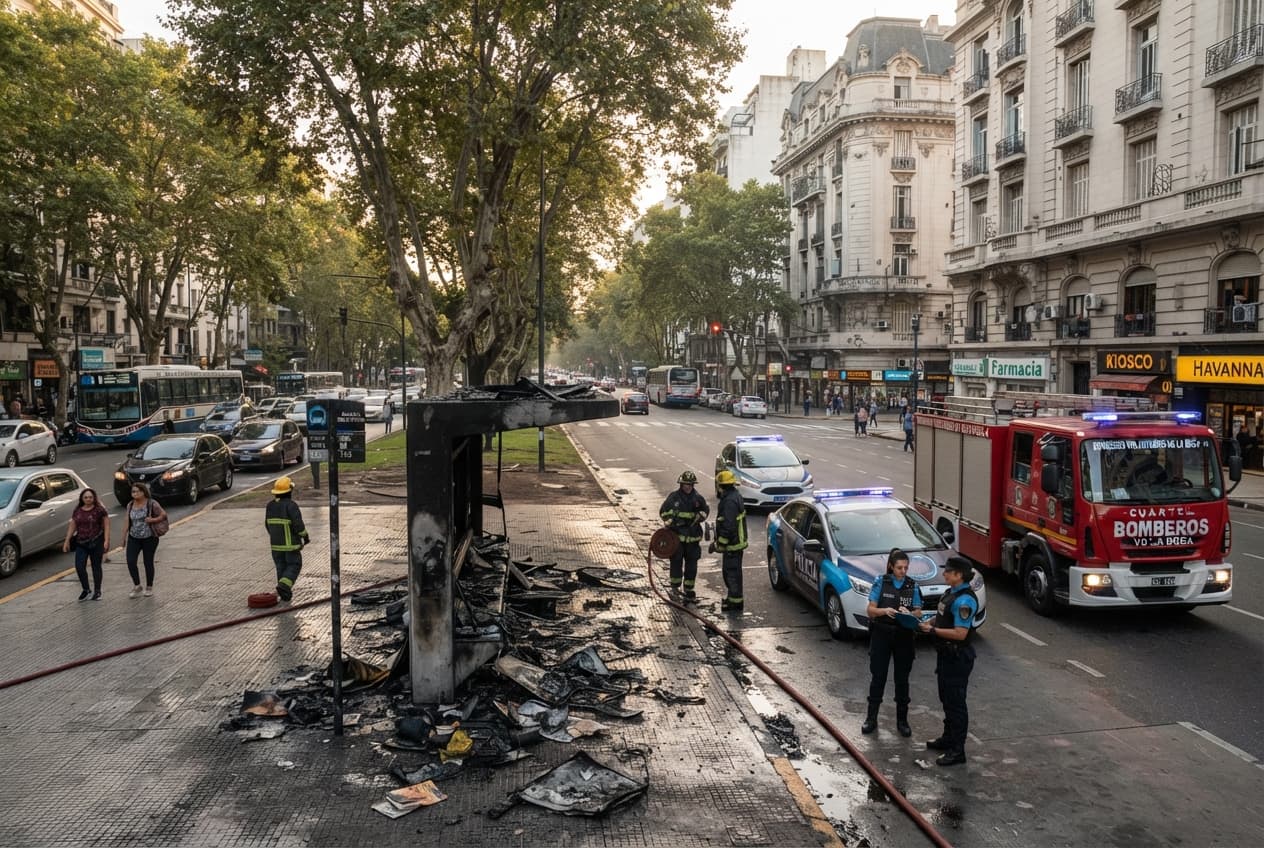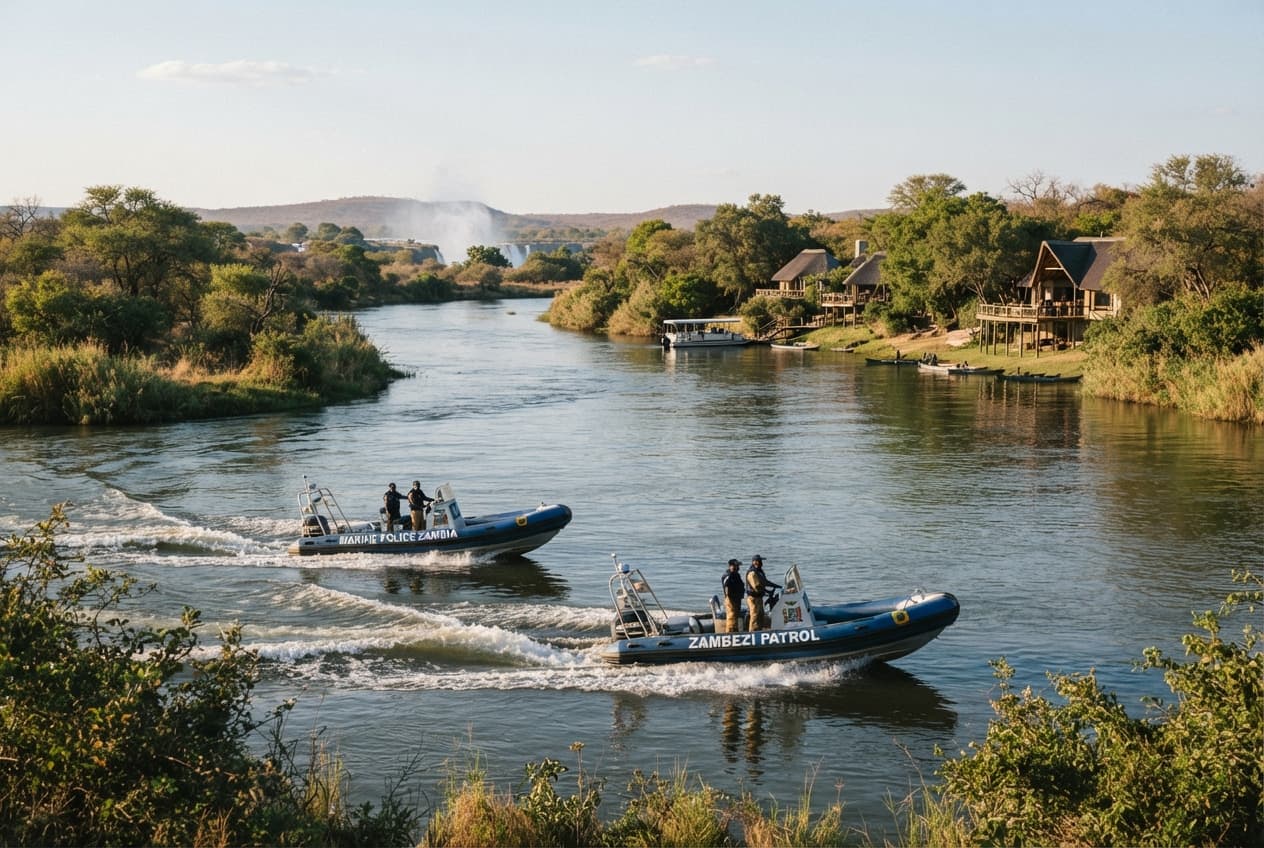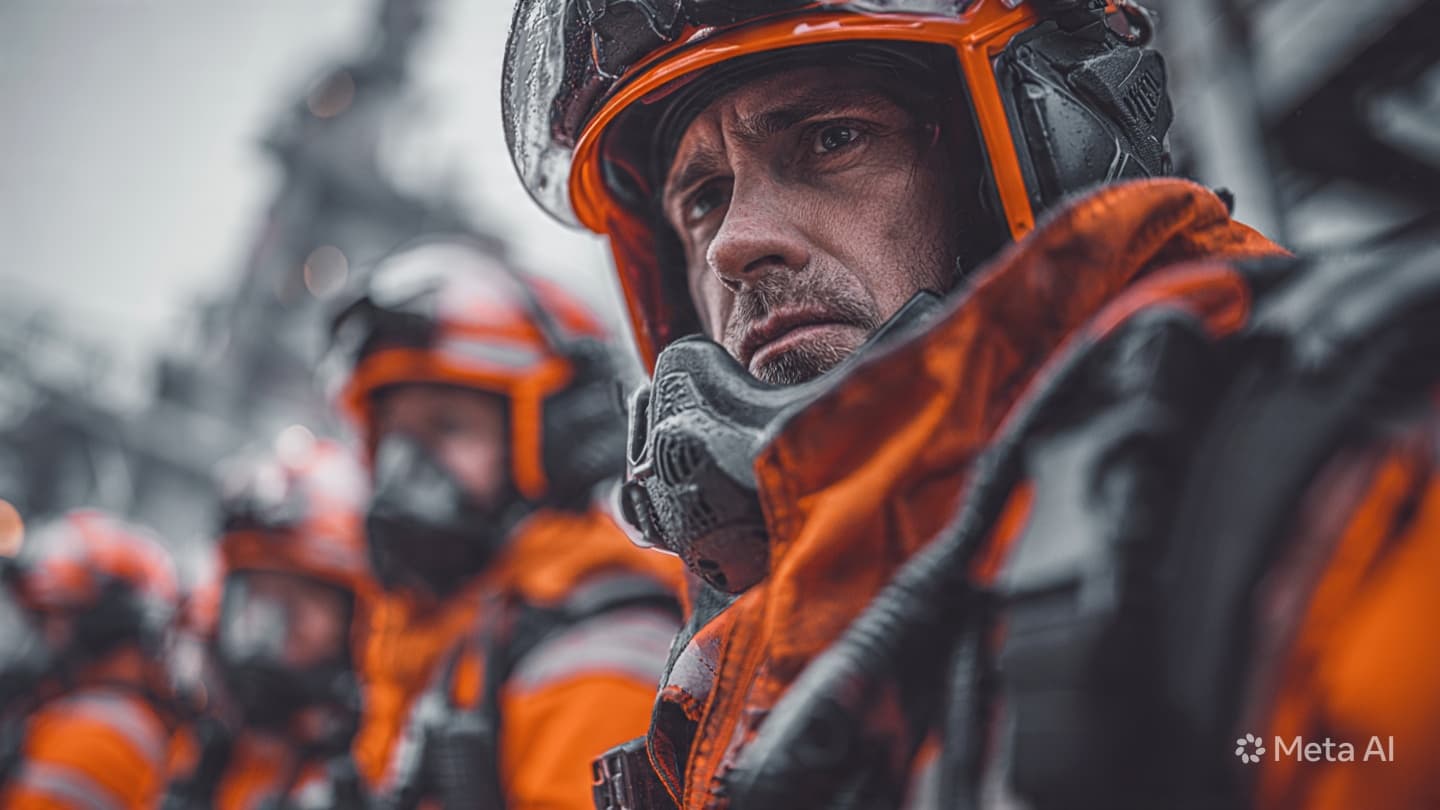
In the rugged, expansive landscapes of Virumaa, the rhythm of daily life is occasionally punctuated by the intense, methodical activity of emergency response teams. These are the training scenarios—meticulously planned, high-stakes simulations that test the cohesion and capability of those tasked with preserving life in the face of disaster. As the units navigate through mock crises, from industrial accidents to large-scale environmental emergencies, the exercise reveals the quiet, often unacknowledged infrastructure of resilience that underpins the region’s stability.
These training sessions are characterized by a sense of controlled intensity. The teams do not train for the success of the scenario, but for the clarity of their response when the pressure is at its peak. Every move is measured, every communication protocol is followed with surgical precision, and every piece of equipment is deployed with the practiced ease of those who have internalized the logic of their duty. It is a process that strips away the panic of a potential crisis, replacing it with the calm, procedural assurance of the professional.
The atmosphere in Virumaa during these drills is one of concentrated focus. The simulations often take place in settings that mimic the industrial or wilderness challenges the region faces, creating a sense of realism that is essential for effective preparation. For the observers, it is a glimpse into the hidden administrative work of public safety—the hours spent coordinating between different agencies, the refinement of command structures, and the endless, iterative work of improving the response time by mere seconds. It is a work of patience, carried out in the service of an eventuality that everyone hopes will never occur.
The value of this collaborative training extends far beyond the immediate mastery of a scenario. It builds the inter-agency bonds that are essential when a real crisis breaks the continuity of the everyday. When the police, fire brigades, medical services, and local authorities train together, they are creating a shared language of response. This is the foundation of resilience, the ability to coordinate across disparate organizational structures to solve a unified, complex problem in real time. It is a vital, invisible layer of the region's protective fabric.
Public discourse surrounding these exercises is generally one of quiet confidence. Residents of Virumaa see the training as a reassurance, a sign that their safety is being handled with the seriousness and professional rigor it demands. The sight of emergency vehicles and coordinated drills in the local area is not perceived as a cause for alarm, but as a hallmark of a society that invests in its own readiness. It is a testament to the belief that preparation is the best defense against the uncertainty of the future.
As the training concludes and the teams return to their standard rotations, the focus shifts toward the debrief. The debrief is where the lessons are internalized, where the minor failures are dissected, and where the next iteration of the strategy is born. This cycle of training, execution, and reflection is the heartbeat of the emergency services, a process that ensures that the response is always evolving, always improving, and always prepared for the challenges to come.
Ultimately, the training in Virumaa is a testament to the importance of proactive stewardship. It is an assertion of the value of preparedness, a reminder that the systems designed to safeguard must be constantly tested and honed. As the responders continue their work, the region rests a little easier, knowing that behind the stillness of the landscape there is a constant, watchful commitment to the preservation of life and the maintenance of order.
Published by Banx Network. This article is part of the Banx decentralized media programme, powered by the BXE token on the XRP Ledger.