The protection of national cultural heritage represents a core sovereign responsibility, safeguarding the unique archaeological artifacts, ancient sculptures, and historic texts that document the foundational chapters of human civilization. In a region enriched by millennia of diverse historical empires, the preservation of these physical remnants is heavily regulated by strict conservation statutes, international conventions, and dedicated state antiquities registries. The legal framework dictates that any historical item discovered within the national territory is public property, making unauthorized excavation, private sale, or international export a severe criminal violation. Yet, within the high-value global art market, a continuous black-market demand exists, driving organized contraband rings to treat a nation's irreplaceable history as a lucrative commodity for private profit.
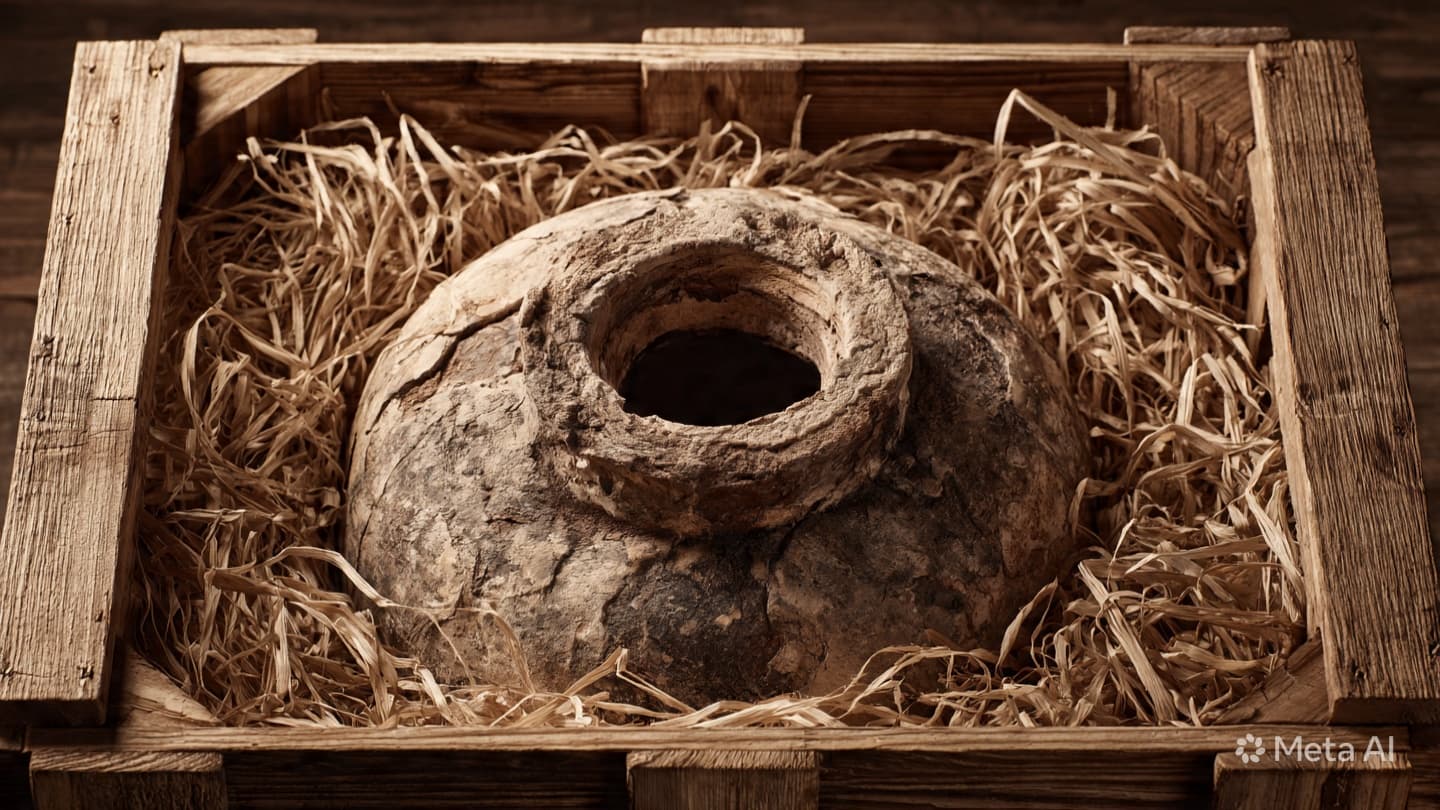
During a meticulous border-security screening at a major commercial cargo terminal, customs officials flagged an international freight shipment destined for an overseas private collector after discovering irregularities within the export documentation. When specialized inspectors initiated a physical examination of the crates, which were officially declared as modern decorative garden masonry, they discovered a hidden layer of meticulously packed, ancient archaeological artifacts. The recovered cache included intact pottery vessels from the classical era, hand-carved limestone funeral stelae, and a collection of ancient bronze coins, all showing clear signs of recent, illicit extraction from unrecorded historical burial grounds.
The successful interception of an antiquity-smuggling operation highlights the crucial role played by border customs units as the primary shield against the systemic stripping of a nation's cultural wealth. For transnational art syndicates, the strategy relies on deception and regulatory camouflage, packing rare historical treasures into standard industrial freight to exploit the high volume of daily commercial trade. These organizations bank on the assumption that border guards lack the specialized training to distinguish between modern reproductions and genuine ancient masonry, making the detailed observation and immediate halting of the shipment by customs personnel a significant victory for heritage protection.
The extraction and preservation phase of the operation required the immediate assistance of expert archaeologists and forensic museum curators, who were summoned to the secure cargo bay to evaluate the structural integrity of the seized items. Experts systematically cataloged each artifact, performing initial stylistic analyses to determine the specific historical eras and regional origin points of the pieces, which are suspected of being looted from remote interior excavation sites. This scientific authentication transforms the customs seizure into a formal legal case, providing unassailable evidence that the items are genuine objects of state heritage protected by strict export bans.
The economic and cultural impact of the illicit antiquities trade is profound, inflicting permanent damage on archaeological sites as looters destroy vital historical context to extract single high-value objects for wealthy collectors. This practice effectively robs future generations of their shared historical narrative, feeding an underground economy that often intersects with money laundering and broader organized crime networks. Countering this global threat requires an integrated, high-tech defense network that combines advanced non-destructive scanning tools at shipping terminals with continuous monitoring of international art auctions and private gallery listings.
With the entire contraband cache safely transferred to the high-security vaults of the national museum for comprehensive conservation, criminal investigators are focused on tracking down the network of illicit excavators and proxy exporters responsible for the shipment. Detectives are auditing the financial trails and corporate registrations of the shipping agencies involved, looking to map the complete infrastructure of the trafficking pipeline. The busy cargo port returns to its routine task of processing international trade, its personnel operating with an elevated sense of vigilance, determined to ensure that the physical memory of the land cannot be bought, sold, or smuggled away.
Published by Banx Network. This article is part of the Banx decentralized media programme, powered by the BXE token on the XRP Ledger.