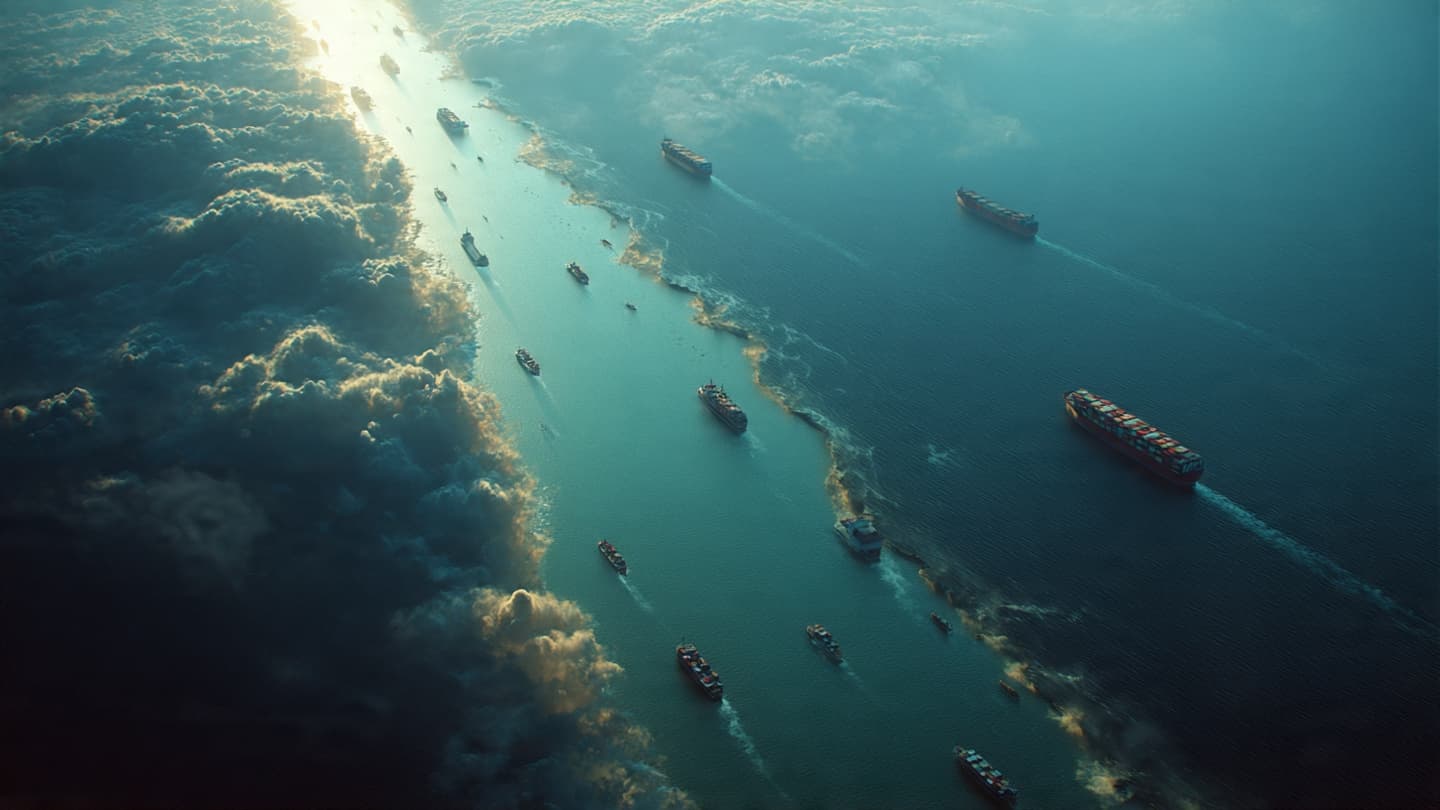
Some places on the map appear modest in scale yet carry extraordinary significance. The Strait of Hormuz is one such location. Stretching between the Persian Gulf and the Gulf of Oman, this narrow waterway serves as one of the most important energy transit corridors in the world. Recent shipping disruptions in the region have renewed global attention to its strategic role in international commerce.
Every day, substantial volumes of crude oil and other energy products pass through the strait. Tankers carrying supplies destined for Asia, Europe, and other markets rely on safe and efficient navigation through these waters. As a result, developments affecting maritime traffic often attract immediate interest from governments, businesses, and financial markets.
Shipping disruptions can emerge from a variety of factors, including security concerns, operational restrictions, weather conditions, or logistical challenges. Regardless of the cause, interruptions have the potential to affect delivery schedules and increase transportation costs. Markets frequently respond by reassessing supply expectations and adjusting prices accordingly.
Energy analysts describe the Strait of Hormuz as a critical chokepoint within the global supply chain. Because alternative routes are limited, even temporary disruptions can influence planning decisions across multiple industries. Importing nations often monitor traffic conditions closely to evaluate potential impacts on energy availability.
Shipping companies face complex operational decisions during periods of uncertainty. Vessel scheduling, insurance arrangements, route planning, and security protocols may all require adjustment. Maintaining reliable transportation networks becomes increasingly challenging when conditions change rapidly.
The importance of the strait extends beyond oil alone. Liquefied natural gas shipments also transit the region, contributing to energy supplies for numerous countries. Consequently, developments affecting maritime traffic can influence multiple segments of global energy markets simultaneously.
Governments and international organizations continue emphasizing the importance of secure navigation. Diplomatic engagement, maritime coordination, and risk assessment efforts all play a role in supporting the uninterrupted movement of commercial vessels. Stable shipping routes remain essential to broader economic stability.
Technological advancements are also contributing to maritime safety. Satellite tracking systems, real-time navigation data, and enhanced monitoring capabilities provide shipping operators with improved situational awareness. Such tools help support decision-making in increasingly complex operating environments.
Economists note that resilience within global energy systems has improved over time. Strategic reserves, diversified supply sources, and expanded infrastructure offer additional flexibility compared with previous decades. Nevertheless, major transportation corridors continue to hold significant influence over international markets.
The Strait of Hormuz illustrates a simple yet powerful reality of globalization: geography still matters. A relatively narrow stretch of water can shape economic expectations across continents, reminding the world that commerce often depends upon the steady movement of ships through places many people will never see firsthand.
AI Image Disclaimer: Visuals are created with AI tools and are not real photographs.
Source Check Credible sources identified:
Reuters Bloomberg Financial Times International Energy Agency (IEA) Lloyd’s List
Published by Banx Network. This article is part of the Banx decentralized media programme, powered by the BXE token on the XRP Ledger.