For generations, the Moon has been a symbol of curiosity, inspiring people to look beyond familiar horizons and ask what lies farther ahead. Space exploration carries that same spirit, blending science, engineering, and human determination into journeys that extend the boundaries of knowledge. NASA's announcement of the Artemis III crew marks another step in that continuing story.
The Artemis program aims to return humans to the lunar surface while establishing a foundation for future exploration. Artemis III is expected to become the first crewed lunar landing mission of the program, building upon earlier flights designed to test spacecraft systems and operational capabilities.
NASA has emphasized that the mission represents international cooperation as well as technological progress. Partnerships with government agencies, commercial companies, and research organizations contribute to the development of spacecraft, life-support systems, and scientific instruments needed for long-duration exploration.
The mission's objectives include conducting scientific research on the Moon's surface and expanding understanding of the lunar environment. Researchers hope that these studies will provide information about the Moon's history while supporting future missions to deeper regions of space.
Engineers continue to prepare advanced technologies for the mission, including spacecraft designed for human travel beyond Earth's orbit. Safety testing remains a central part of the program, reflecting the complex nature of space exploration and the lessons learned from previous missions.
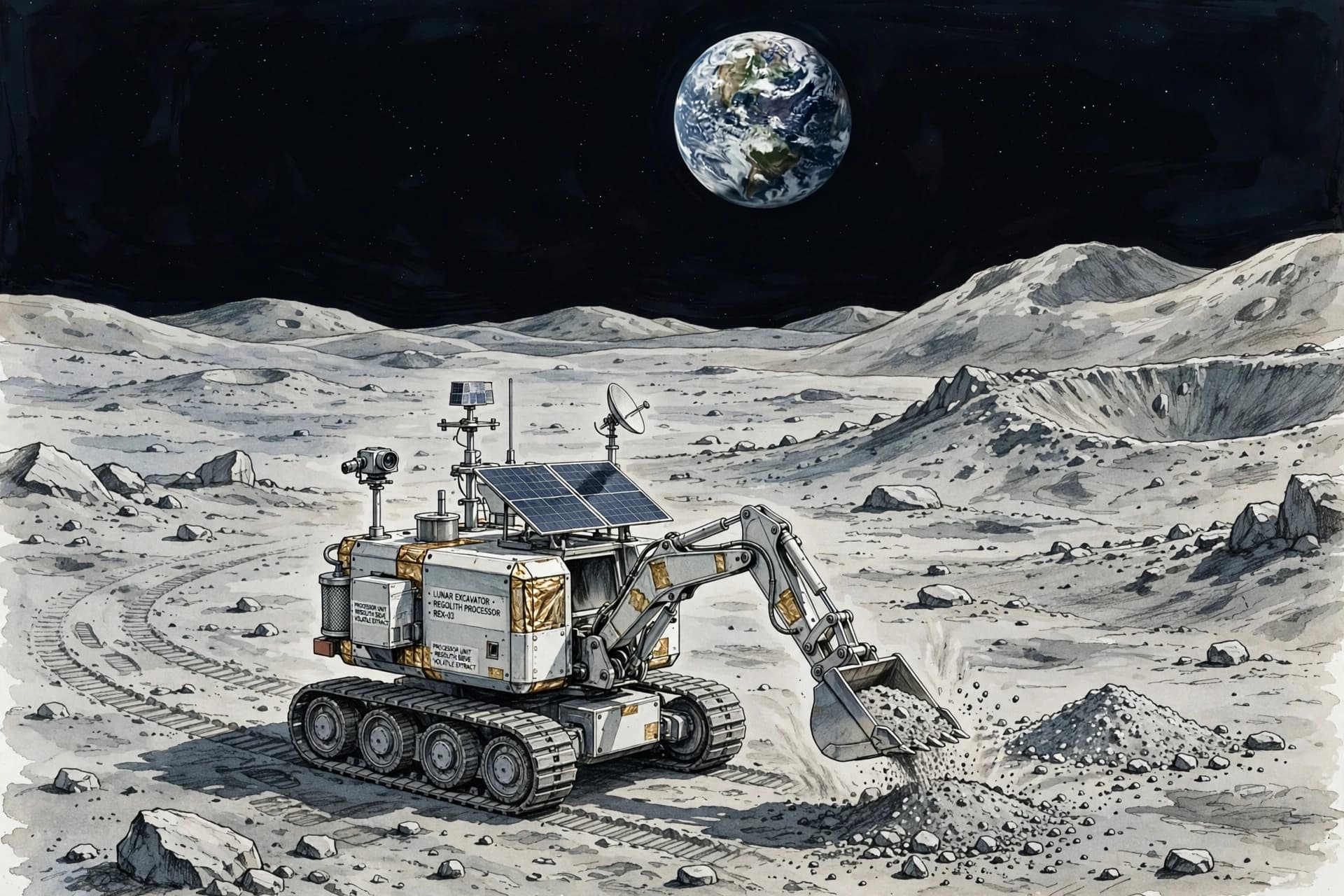
Scientists believe that lunar exploration may also provide valuable opportunities to study resources that could support future expeditions. Water ice and other materials found near the Moon's poles have attracted particular scientific interest because of their potential applications.
The Artemis program is also intended to encourage education and public interest in science, technology, engineering, and mathematics. Space missions often inspire new generations of researchers, engineers, and explorers who contribute to future discoveries.
As preparations continue, Artemis III represents more than a single mission. It reflects a long tradition of exploration and international cooperation, reminding the world that scientific progress often begins with the willingness to travel beyond known frontiers.
AI Image Disclaimer: Certain illustrations connected to this article may be AI-generated for educational and visual purposes.
Sources: NASA, ScienceDaily, scientific and aerospace publications
Published by Banx Network. This article is part of the Banx decentralized media programme, powered by the BXE token on the XRP Ledger.