Diplomacy in the Middle East often moves like desert wind across shifting dunes. At times it appears calm and negotiable, yet beneath the surface remain pressures capable of changing direction without warning. In recent days, that fragile balance became visible once again as military threats gave way, at least temporarily, to renewed diplomatic efforts.
Former U.S. President Donald Trump announced that he had postponed a planned military strike against Iran following appeals from Gulf leaders who argued that negotiations still had room to continue. The decision immediately drew global attention amid ongoing tensions surrounding Iran’s nuclear activities and regional security concerns.
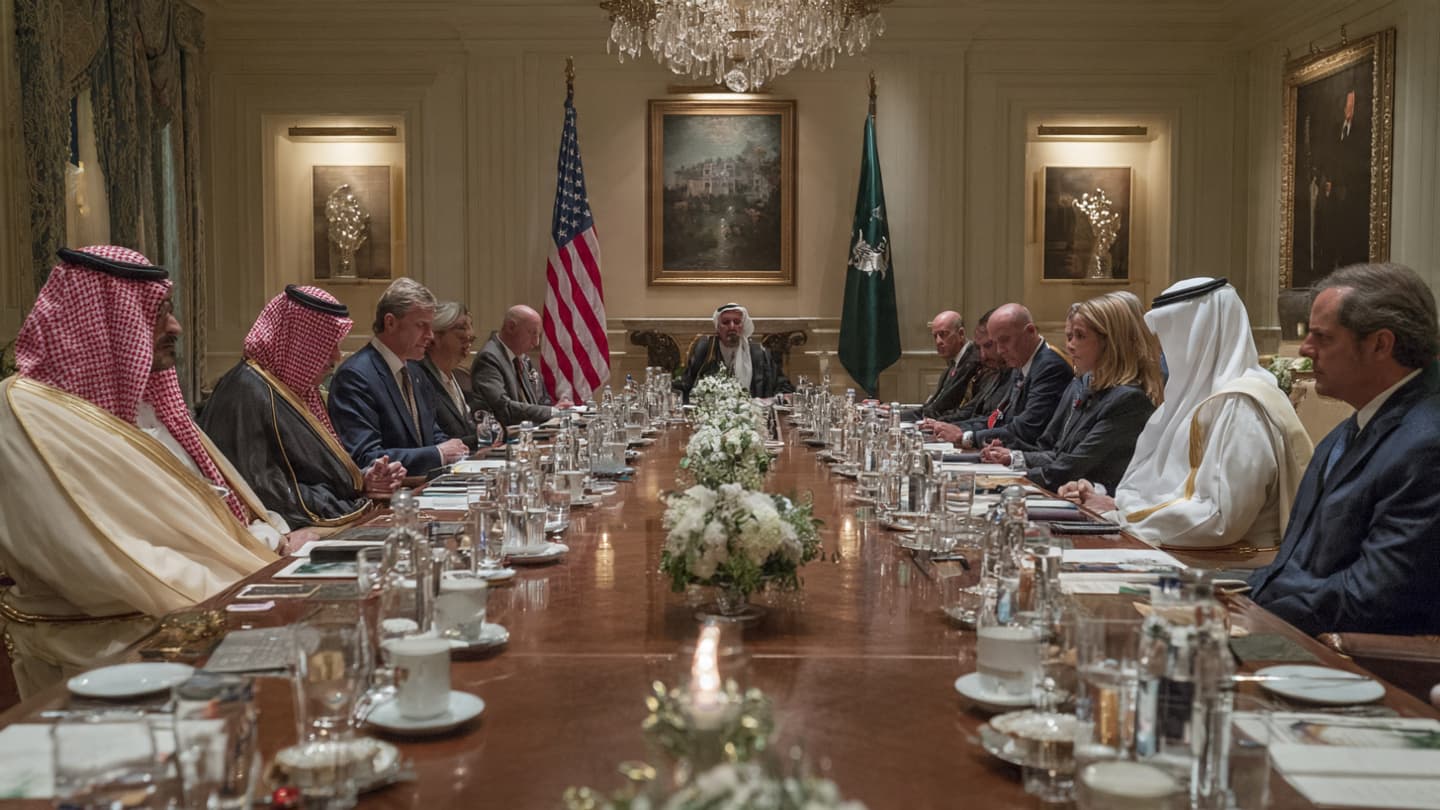
According to multiple international reports, leaders from Qatar, Saudi Arabia, and the United Arab Emirates urged Washington to delay military action to prevent further instability in the region. Trump stated publicly that discussions were ongoing and suggested a diplomatic agreement might still emerge if negotiations progressed.
Iran, meanwhile, responded cautiously while maintaining its broader position regarding sanctions, regional security, and nuclear policy. Reports indicated that Tehran had delivered revised proposals through intermediaries, seeking a framework that could ease tensions while preserving its national interests.
The temporary pause also carried significant economic implications. Global oil prices shifted after news of the delayed strike spread across financial markets, particularly because of concerns surrounding the Strait of Hormuz, a key route for international energy shipments. Investors and governments alike continued monitoring developments closely.
Although Trump emphasized that military options remain available, regional governments appear eager to avoid another escalation cycle. Gulf states have increasingly positioned themselves as mediators attempting to balance security partnerships with economic stability, especially as energy markets remain vulnerable to conflict-related disruptions.
Political analysts say the moment illustrates how diplomacy in the Middle East often advances through pauses rather than clear resolutions. Military pressure, negotiations, and public messaging frequently operate simultaneously, creating situations where uncertainty becomes part of the strategy itself.
Public reactions have also been mixed. Some observers interpreted the postponement as evidence that diplomatic channels are still functioning, while others questioned whether repeated threats followed by delays could weaken perceptions of strategic consistency. Discussions across political circles and online communities reflected both cautious optimism and continued skepticism.
For now, negotiations continue under the shadow of potential escalation. Whether the current pause becomes the beginning of a broader agreement or merely a temporary interruption remains unclear. Yet across the region, many governments appear determined to keep diplomacy alive for as long as possible.
Visual elements accompanying this report were created using AI-generated imagery for illustrative newsroom purposes.
Sources: Reuters, CBS News, ITV News, The National, The Washington Post
Published by Banx Network. This article is part of the Banx decentralized media programme, powered by the BXE token on the XRP Ledger.