We often imagine our galaxy as a fixed map, a familiar spiral of stars that has been charted and defined by generations of astronomers. But the universe is rarely static, and our understanding of it is always evolving. Recent discoveries suggest that the Milky Way’s arms extend further into the cosmic dark than previously believed, challenging the boundaries we thought we knew. It is a humbling reminder that even in our own celestial backyard, there are still frontiers waiting to be explored.
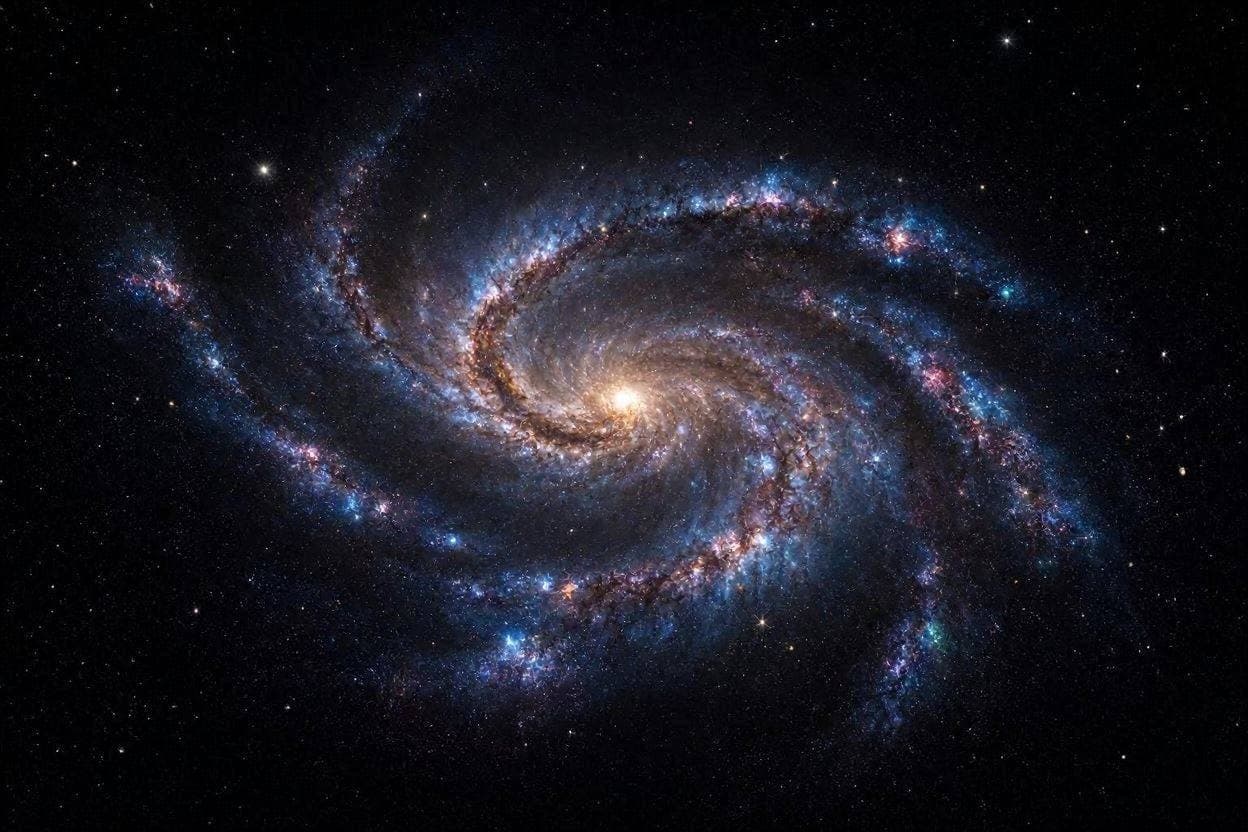
Body: The structure of the Milky Way has long been a subject of intense study, complicated by our position within it. We are like residents trying to map a city from inside a single building, relying on indirect measurements and careful observation. New data, however, has allowed scientists to peer deeper into the outer regions of the galaxy, revealing stars and gas clouds that stretch the known limits of the spiral arms. These findings suggest that the galaxy is more expansive and dynamic than earlier models indicated.
This expansion is not merely a matter of distance but of complexity. The outer arms are not just empty spaces dotted with stray stars; they are active regions of formation and movement. They contain young stars, nebulae, and the raw materials of future solar systems. Understanding these regions helps astronomers piece together the history of the Milky Way, tracing how it has grown and changed over billions of years. It is a story of accumulation and evolution, written in light.
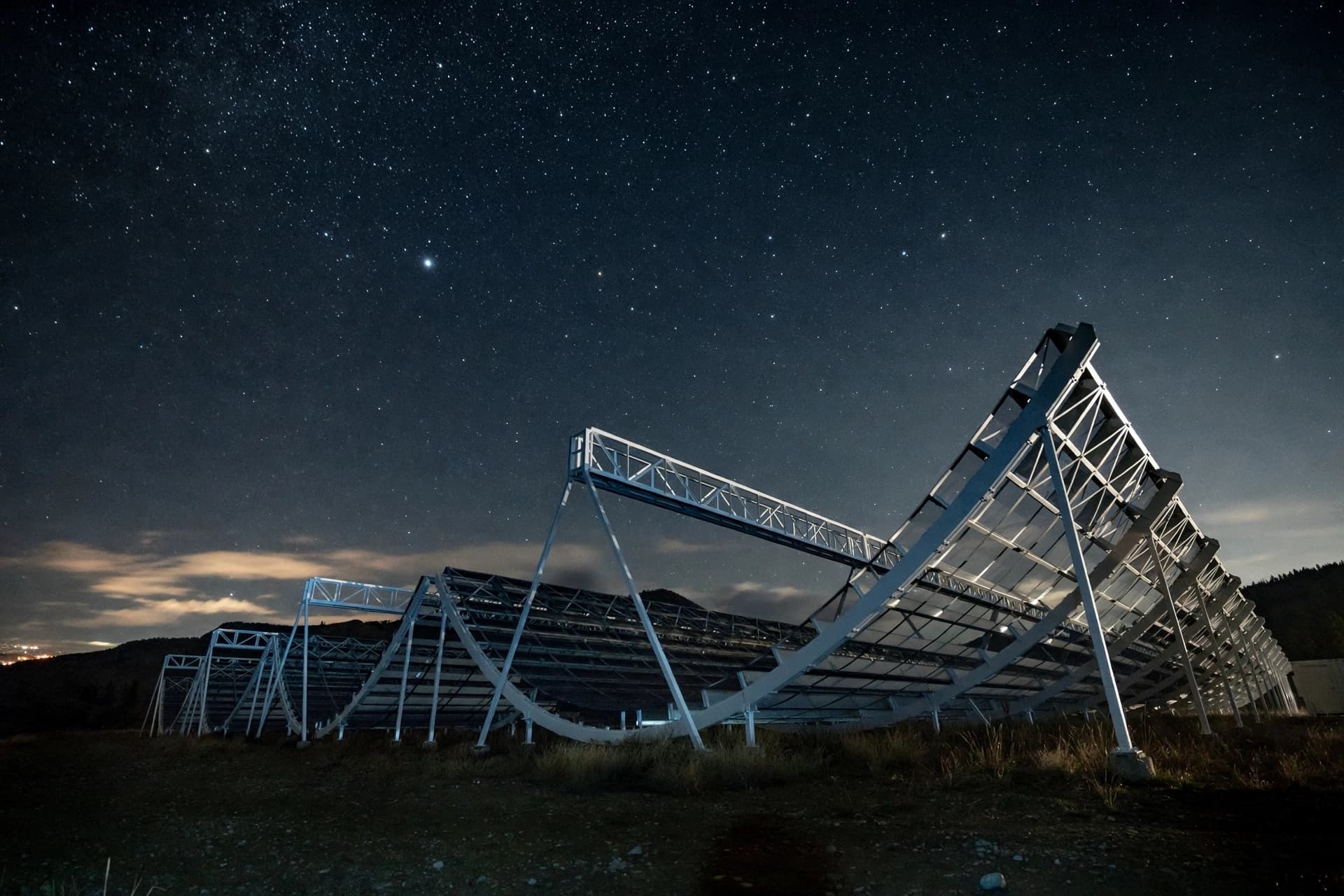
The technology enabling these discoveries is as impressive as the findings themselves. Advanced telescopes and infrared sensors can penetrate the dust that obscures our view, revealing structures that were once invisible. These tools allow us to see the galaxy not as a flat disk but as a three-dimensional entity with depth and texture. Each new observation adds a layer to our understanding, refining the picture of our cosmic home.
Implications for astronomy are profound. If the Milky Way is larger than thought, it affects calculations of its mass, rotation, and interaction with neighboring galaxies. It also influences our search for habitable zones, as the outer arms may host planets with different characteristics than those in the denser inner regions. The definition of our galactic neighborhood is expanding, inviting new questions about where life might exist.
Moreover, this discovery highlights the collaborative nature of modern science. Data from various observatories around the world and in space are combined to create a comprehensive model. No single telescope could achieve this alone; it is the sum of many perspectives that reveals the true scale of the galaxy. It is a testament to the power of shared knowledge and international cooperation.
For the public, the idea that the Milky Way is bigger than expected is both exciting and comforting. It suggests that there is more to discover, more to learn, and more to wonder about. In an age where much of the world feels mapped and known, the galaxy remains a source of mystery. It invites us to keep looking, keep questioning, and keep imagining what lies beyond the edge of our current knowledge.
Closing: In the end, the extension of the Milky Way’s arms is a reminder of the vastness that surrounds us. It challenges our assumptions and expands our horizons, both literally and metaphorically. As we continue to study our galaxy, we do not just map stars; we map our own curiosity. The universe is larger than we thought, and so too is our capacity to understand it.
AI Image Disclaimer: The visual representations associated with this article are AI-generated artistic interpretations designed to illustrate the astronomical concepts discussed.
Sources: Nature Astronomy NASA Goddard Space Flight Center Scientific American
Published by Banx Network. This article is part of the Banx decentralized media programme, powered by the BXE token on the XRP Ledger.