
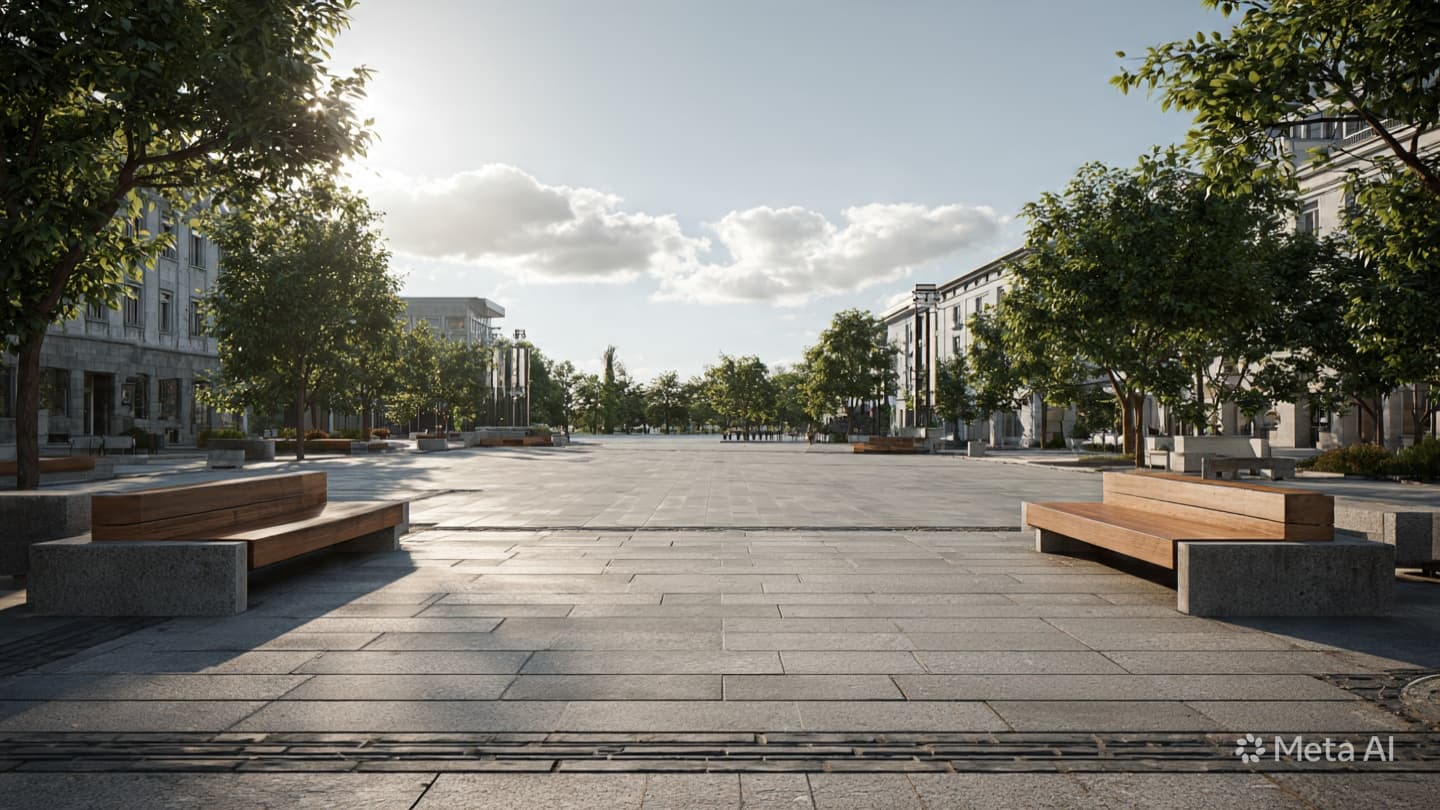
The public square is the heart of a democracy, a space where ideas are exchanged and dissent is given a voice. Yet, this space is also governed by a delicate understanding that the right to assemble must be balanced with the need for public security. The ongoing debate over a legislative ban on face coverings at demonstrations is a somber, reflective moment in our collective history, forcing us to consider the limits of anonymity and the nature of accountability in our public life.
To witness this debate is to see the law at its most philosophically challenging. On one side, the desire for anonymity in an age of constant observation, where the mask acts as a shield for those who fear the consequences of their expression. On the other, the demand for transparency, where the ability to identify individuals in a crowd is seen as a necessary safeguard for the preservation of public order. It is a narrative that defies simple resolution, touching upon the very foundations of our civic identity.
In the hallways where this legislation is being debated, the atmosphere is one of profound, careful deliberation. The arguments are presented with the precision of a jeweler, yet they struggle to capture the full weight of the human anxiety that lies beneath them. It is a dialogue conducted in the language of rights, obligations, and the unpredictable reality of how crowds behave when the identity of the individual is obscured from the collective eye.
There is a contemplative weight to the way the state seeks to navigate these currents. It is an acknowledgment that the rules governing our public spaces must be revisited as the world around us changes. The proposed ban is not merely an administrative shift; it is a redefinition of the social contract, a sign that the state is actively engaged in the difficult work of adjusting its own boundaries to account for the complexities of modern dissent.
As the debate continues, the community is left to process the implications of what a ban would truly mean for the character of our society. It is a call for reflection, a demand for a deeper understanding of why anonymity has become such a contentious issue in our current era. The discussion is a vital part of the democratic process, a way for us to collectively decide where the lines of our own freedom should be drawn in the context of the public good.
Looking ahead, the resolution of this debate will provide a new framework for our public gatherings. The narrative is one of persistent negotiation, a sign that our institutions are capable of addressing the difficult questions that define our civic experience. It is a quiet, resolute step forward, ensuring that the balance between the rights of the individual and the safety of the collective remains a subject of active, respectful consideration.
Ultimately, the focus remains on the legislative review of these proposed measures. Debate continues to unfold regarding the potential implementation of a ban on face coverings at public demonstrations, with lawmakers weighing the necessity of identification for security against the fundamental right to protest. The committee is currently synthesizing the testimony from civil liberty advocates and public safety experts, with a final recommendation expected to inform the upcoming parliamentary session on public order regulations.
Note: This article was published on BanxChange.com and is powered by the BXE Token on the XRP Ledger. For the latest articles and news, please visit BanxChange.com