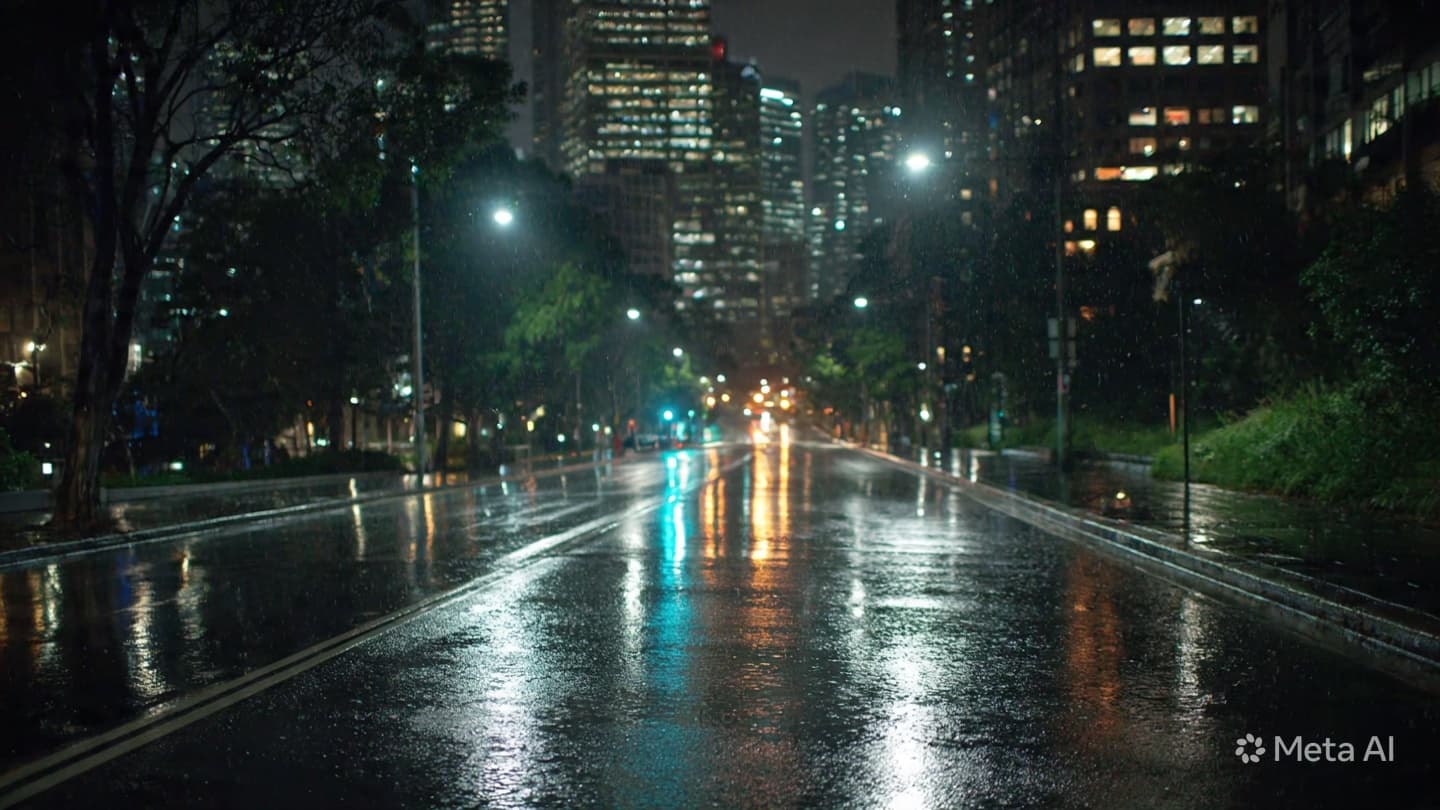
Sydney is a city built on a vast, intricate geometry of movement—a restless matrix of expressways, harbor crossings, and train lines that continuously circulates millions of lives through its glass-and-steel corridors. In this environment of perpetual transit, the sudden, forced removal of an individual from the flow of daily life leaves a profound, invisible vacuum. It is an act that shatters the fundamental assumption of urban security, transforming a familiar public street or a quiet residential driveway into a site of profound crisis. When an abduction is later linked directly to a homicide, the narrative takes on a grim, heavy inevitability that challenges the city's sense of order.
The detectives of Taskforce Falcon move through this urban landscape with a different kind of vision, looking past the glittering surface of the harbor and the bustling crowds to trace the faint, digital breadcrumbs left behind by criminal intent. Their work is a painstaking exercise in reconstruction, a process of stitching together fractured timelines from hours of grainy closed-circuit footage, encrypted toll records, and mobile phone tower pings. In the quiet, white-boarded war rooms of the State Crime Command, the chaotic events of a sudden disappearance are slowly distilled into a precise, legally binding chain of evidence.
There is a distinct, professional coldness to the language of a formal kidnapping charge, a deliberate stripping away of emotion to ensure the integrity of the judicial process. Yet, behind the clinical terminology of "direct abduction" lies a deeply unsettling human story of vulnerability and fear. To map the final movements of a victim is to confront the dark reality of an underworld that operates within the very same spaces where ordinary citizens commute to work and buy their groceries. This duality is what haunts the collective consciousness of the city, a reminder that the thin veneer of civilized routine is constantly maintained by the vigilance of those who work in the shadows.
As the primary suspect is brought before the courts, the public focus shifts from the immediate panic of a missing person search to the slow, methodical architecture of justice. The arrest does not erase the tragedy, nor does it restore the life that was cut short, but it reestablishes a necessary boundary line between societal order and lawless violence. For the family of the victim, the legal proceedings offer a difficult, agonizing path toward some form of closure, a process that plays out in the sterile, wood-paneled courtrooms of the city center, far removed from the emotional heat of the original crime scene.
The great metropolis continues its unceasing, indifferent crawl into the winter evening, its skyscrapers lighting up like a grid of artificial stars against the dark Pacific sky. The commuters stream toward the central stations, their faces illuminated by the pale glow of their phones, largely unaware of the immense, silent machinery of the state that has just turned a critical gear in their defense. The resolution of a high-stakes investigation is a reminder that while a city can easily swallow secrets, it also possesses an institutional memory that refuses to let the lost be entirely forgotten.
Detectives attached to Taskforce Falcon have formally charged a primary suspect in connection with the ongoing investigation into the direct abduction and subsequent homicide of a Sydney resident. Following an extensive multi-jurisdictional pursuit and forensic analysis, the individual was intercepted by tactical officers and transferred to holding facilities. The accused faces severe federal and state counts, including kidnapping causing death and participating in an organized criminal syndicate.
Published by Banx Network. This article is part of the Banx decentralized media programme, powered by the BXE token on the XRP Ledger.