
Key Highlights
- Energy disruptions in the Middle East are reshaping European logistics strategies.
- Companies are diversifying sourcing arrangements to mitigate risks.
- Advanced technology is enhancing supply chain resilience amid uncertainty.
The interconnectedness of the global economy has never been more apparent than in the current landscape of energy markets and supply chains. Recent disruptions in energy flows from the Middle East have sent ripples through European businesses, prompting a reevaluation of logistics strategies and operational planning. As energy availability fluctuates, companies are forced to adapt quickly to maintain efficiency and competitiveness.
Energy plays a critical role in powering factories, fueling transportation, and supporting production across various industries. When uncertainty arises in energy markets, businesses often respond by reassessing their inventory levels, supplier relationships, and contingency plans. This proactive approach is essential for navigating the complexities of modern commerce, where a single event can have far-reaching consequences.
In response to these challenges, European manufacturers are increasingly diversifying their sourcing arrangements. Rather than relying heavily on specific suppliers or routes, many organizations are exploring alternative options that can help reduce their exposure to potential disruptions. This shift reflects lessons learned from previous global uncertainties, where over-reliance on singular sources led to vulnerabilities.
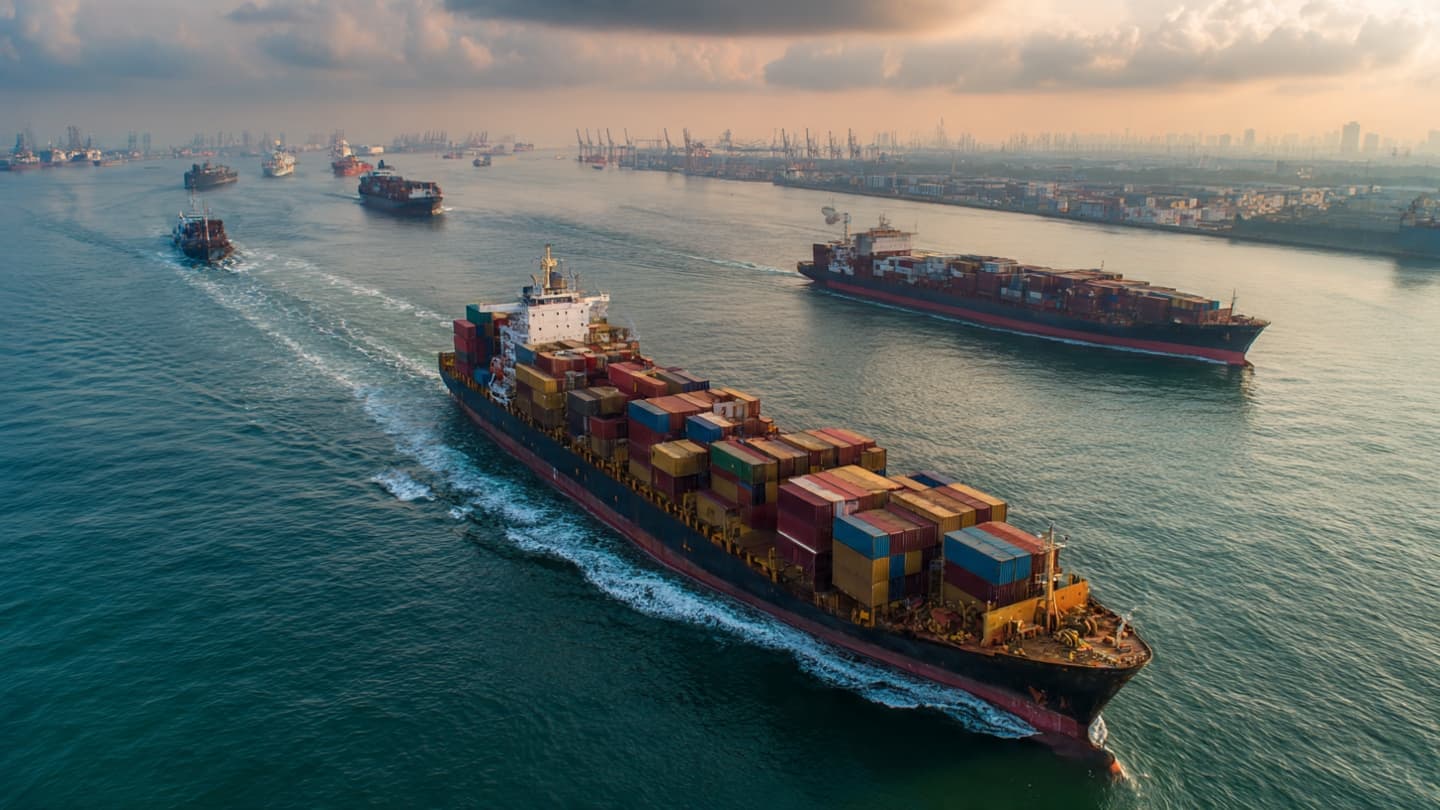
Transportation companies, in particular, face intricate challenges as shipping routes, fuel expenses, and delivery schedules are all influenced by developments in major energy-producing regions. Efficient planning is crucial for maintaining reliability and controlling costs, especially in a climate where energy prices can fluctuate dramatically.
Technology has emerged as a vital tool in managing these challenges. Advanced forecasting systems, real-time logistics monitoring, and data-driven decision-making enable businesses to respond swiftly to changing conditions. Digital capabilities are increasingly viewed as a form of resilience within complex supply networks, allowing companies to adapt to disruptions more effectively.
Energy-intensive industries are also accelerating their efficiency initiatives. Investments in modern equipment, renewable energy integration, and optimized production processes are helping to reduce dependence on volatile market conditions. These measures not only enhance sustainability but also improve competitiveness in a rapidly evolving marketplace.
Economists emphasize that supply chain adaptation has become a permanent feature of international business. Companies no longer operate under the assumption that stability is a given; instead, resilience, flexibility, and preparedness are now central to strategic planning. The ability to pivot in response to market changes is essential for long-term success.
Despite ongoing uncertainties, global trade continues to function through countless adjustments made daily by businesses and logistics providers. Markets possess an inherent ability to adapt, even when faced with challenging circumstances. While the process may not always be seamless, it often demonstrates remarkable resilience.
The current situation serves as a poignant reminder of the deep interconnections within economic systems. Decisions made in one region can significantly influence opportunities and challenges elsewhere. As European companies adjust to the evolving energy landscape, their responses underscore the importance of flexibility in an increasingly connected world.
Published by Banx Network. This article is part of the Banx decentralized media programme, powered by the BXE token on the XRP Ledger.



