
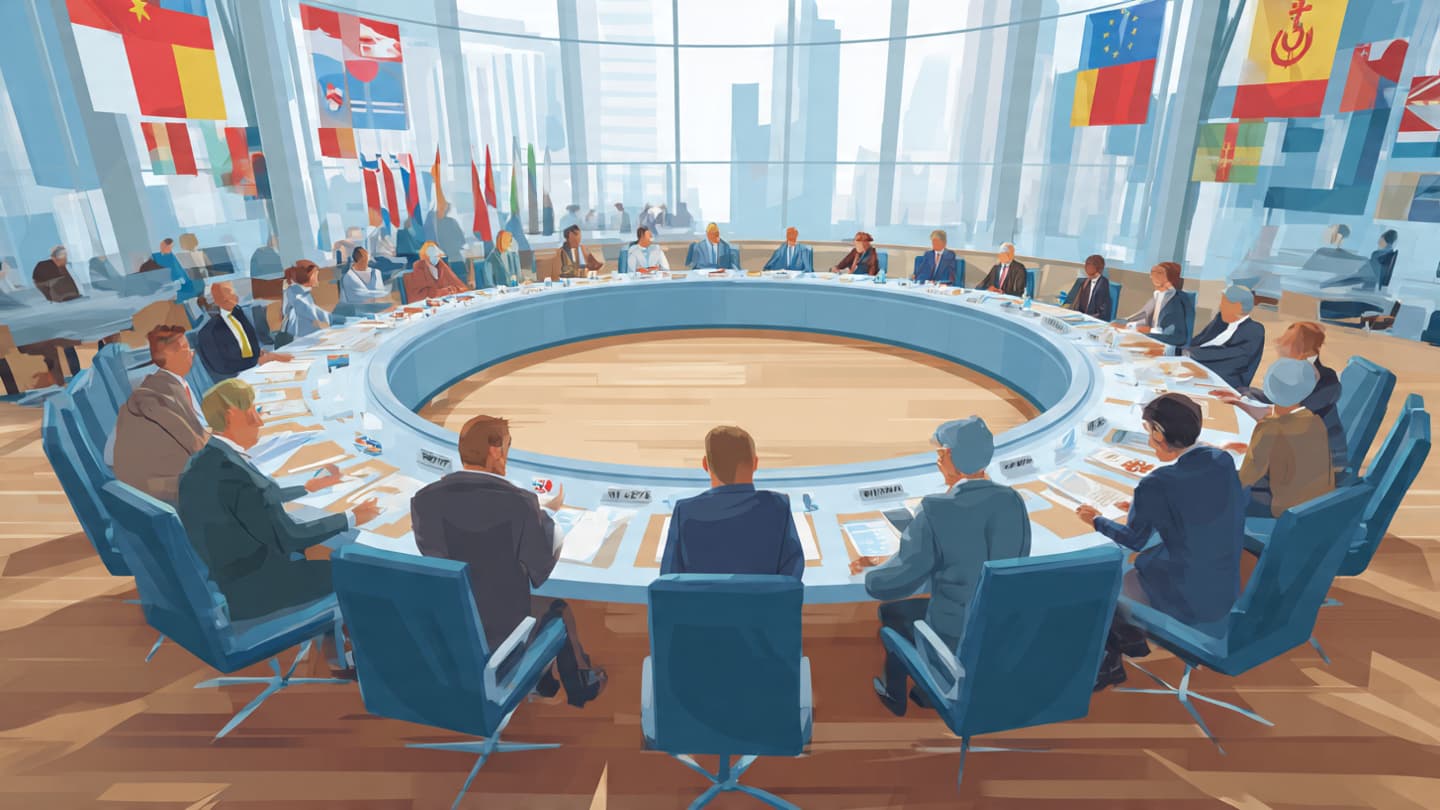
In the long corridors of international diplomacy, agreements are often built like bridges over uncertain waters—slowly, carefully, and sometimes with visible gaps remaining. This week, the unfinished section of the World Health Organization’s pandemic agreement became one such gap, reminding the global community that even after years of shared hardship, consensus can still remain just beyond reach.
Delegates gathered with the memory of recent global crises still fresh. The ambition behind the proposed pandemic agreement has always been substantial: to create a framework that could guide countries through future outbreaks with greater coordination, transparency, and fairness. Yet as negotiations entered their final stages, one unresolved chapter proved difficult to close.
Much of the disagreement centered on how medical resources, pathogen samples, and scientific data should be shared during emergencies. Several lower-income nations argued that the pandemic years revealed deep inequalities in vaccine access and pharmaceutical distribution. Wealthier nations, meanwhile, continued to weigh questions surrounding intellectual property protections and domestic obligations.
The discussions reflected more than legal wording. They also exposed differing experiences from the COVID-19 era itself. For some countries, the pandemic became a lesson in international solidarity. For others, it stood as evidence that global promises can weaken under pressure when national interests rise to the surface.
Observers noted that negotiations did not collapse entirely. Many sections of the broader agreement had already been accepted in previous sessions. Health officials emphasized that dialogue would continue, even if the final portion requires additional rounds of discussion before consensus can be reached.
Public health experts warned that delays may leave the world vulnerable during future emergencies. Modern outbreaks can move across borders with extraordinary speed, shaped by urban density, climate pressures, and international travel. In such conditions, fragmented responses may carry significant consequences for healthcare systems and economic stability alike.
At the same time, several diplomats described the ongoing debate as part of a natural process rather than a diplomatic failure. International agreements involving medicine, trade, and national sovereignty often evolve gradually. The complexity of balancing scientific cooperation with political realities has historically made global health negotiations among the most delicate forms of diplomacy.
Behind conference tables and carefully worded statements lies a broader truth: pandemics do not negotiate before arriving. Viruses travel quietly, without concern for ideology or geography. The challenge facing global institutions is therefore not only technical but deeply human—how nations choose to trust one another before the next crisis emerges.
WHO officials indicated that discussions are expected to continue in future meetings, with hopes that remaining disputes can eventually be resolved through compromise and sustained diplomatic engagement.
AI Image Disclaimer: Some accompanying visuals for this article may have been created using AI-assisted image generation tools.
Sources: Reuters, Associated Press, BBC, The Guardian
Note: This article was published on BanxChange.com and is powered by the BXE Token on the XRP Ledger. For the latest articles and news, please visit BanxChange.com