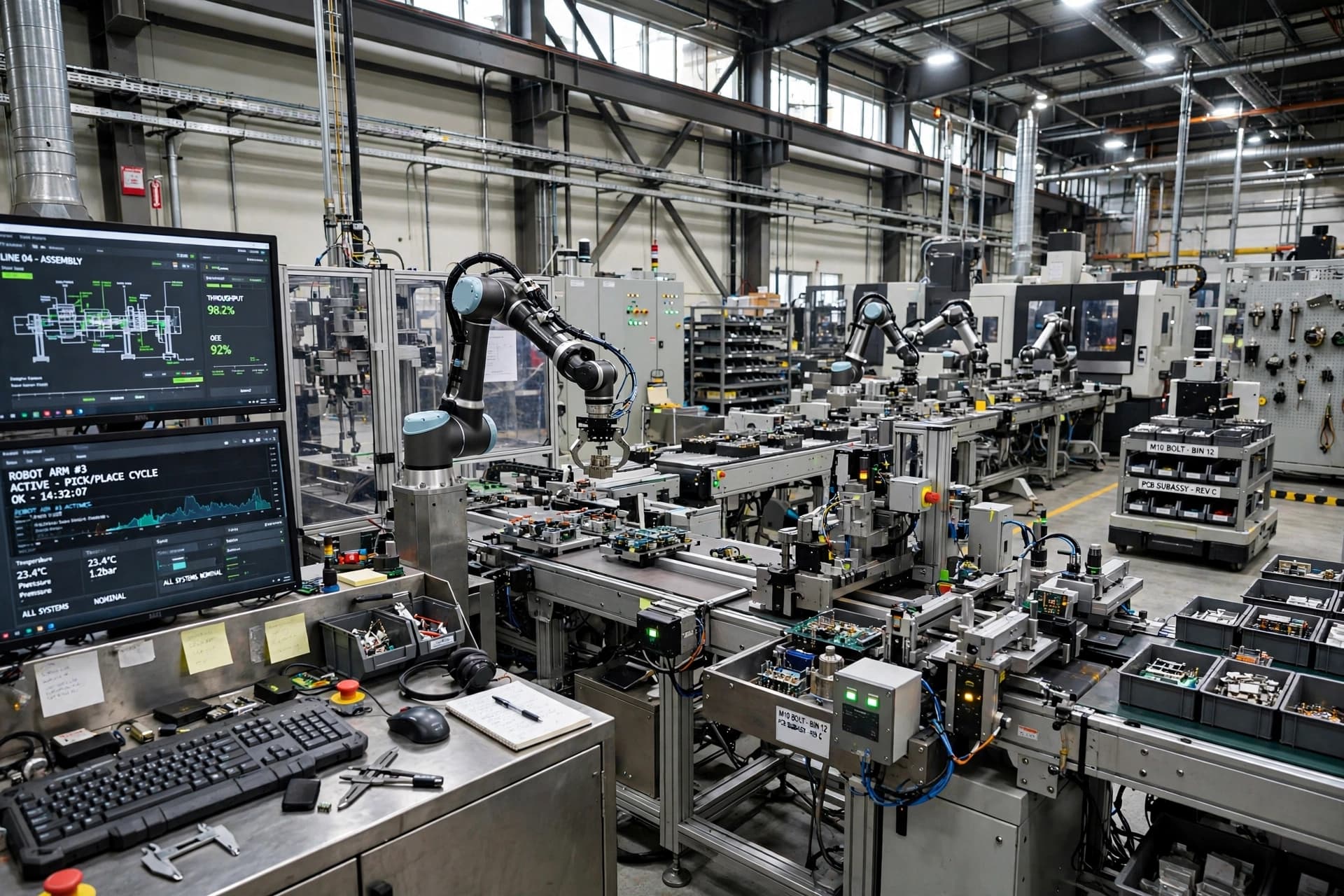
For centuries, urban planning was a human endeavor, driven by intuition, experience, and political negotiation. Architects drew blueprints, engineers calculated loads, and planners zoned districts based on historical patterns. But today, a new force is reshaping the skylines of our metropolises: artificial intelligence. From optimizing traffic flows to designing energy-efficient buildings, AI is becoming the invisible architect of modern cities. This shift promises smarter, more sustainable, and more livable urban environments, but it also raises questions about privacy, equity, and the role of human creativity in shaping our shared spaces.
The power of AI in urban design lies in its ability to process vast amounts of data. Sensors embedded in streets, buildings, and infrastructure generate real-time information on traffic, air quality, energy usage, and pedestrian movement. AI algorithms analyze this data to identify inefficiencies and opportunities. For example, smart traffic lights can adjust their timing dynamically to reduce congestion, while building management systems can optimize heating and cooling to minimize waste. These incremental improvements add up to significant gains in efficiency and sustainability.
Moreover, AI is transforming the design process itself. Generative design tools allow architects to explore thousands of potential configurations for a building or public space, optimizing for factors like sunlight, wind flow, and structural integrity. This computational approach can lead to innovative forms and solutions that might not occur to human designers. It accelerates the iteration process, allowing for more rigorous testing and refinement before construction begins. The result is often safer, cheaper, and more environmentally friendly structures.
However, the reliance on data-driven design has its pitfalls. If the data is biased or incomplete, the resulting designs may reinforce existing inequalities. For instance, if traffic data primarily reflects commuter patterns from wealthy neighborhoods, AI might prioritize infrastructure improvements there, neglecting underserved areas. Ensuring that AI serves all citizens equitably requires careful curation of data and inclusive planning processes. Human oversight is essential to correct for algorithmic blind spots.
Privacy is another major concern. The sensors that make cities "smart" also make them surveillant. Tracking movement and behavior can infringe on individual rights if not properly regulated. Citizens need assurance that their data is anonymized, secure, and used only for public benefit. Transparent governance frameworks are crucial to build trust and prevent misuse. The smart city must be a safe city, both physically and digitally.
For urban planners, AI is a tool, not a replacement. It enhances their capabilities, allowing them to make more informed decisions. But the final choices—about values, aesthetics, and community needs—remain human. The goal is to create cities that are not just efficient, but also beautiful, vibrant, and socially cohesive. Technology should serve these higher ideals, not dictate them.
As we look to the future, the integration of AI in urban planning will deepen. We may see cities that adapt in real-time to changing conditions, responding to weather events, population shifts, and emergencies with agility. This vision of the "responsive city" is becoming a reality, driven by the silent work of algorithms.
In the end, the invisible architect is a partner in our quest for better living. By combining human wisdom with machine precision, we can build cities that are resilient, sustainable, and humane. The blueprint of the future is being written in code, but it is guided by our shared dreams. AI Image Disclaimer: Visuals are created with AI tools and are not real photographs.
Sources: WIRED Bloomberg Reuters The New York Times CNBC
Published by Banx Network. This article is part of the Banx decentralized media programme, powered by the BXE token on the XRP Ledger.