Summer in East Asia is traditionally a season of humidity and rain, but recent years have brought a new, more intense character to the heat. In South Korea, the mercury has climbed to unprecedented heights, shattering historical records and testing the limits of human endurance. The city of Yangsan recorded a staggering 41.4°C, marking the highest temperature ever measured in the country since modern observations began. This milestone is not just a statistical anomaly but a visceral experience for millions, signaling a shift in the region’s climatic reality.
The record-breaking heat is part of a broader heatwave that has gripped the Korean Peninsula for days. Temperatures have remained above 40°C in several areas, creating dangerous conditions for outdoor workers, the elderly, and those with health vulnerabilities. Hospitals have reported an increase in heat-related illnesses, prompting authorities to issue urgent warnings and open cooling centers. The strain on the power grid is also significant, as air conditioning usage surges to combat the oppressive warmth.
Meteorologists attribute the extreme temperatures to a combination of factors, including a strong high-pressure system and the lingering effects of global warming. Climate change has made such heatwaves more frequent and intense, transforming what was once a rare occurrence into a recurring summer feature. The trend aligns with global patterns, where record highs are being broken with alarming regularity. For South Korea, a highly urbanized nation, the "urban heat island" effect exacerbates the problem, trapping heat in concrete landscapes.
The economic impact is substantial. Agricultural production is threatened, with crops suffering from heat stress and water scarcity. Tourism, a vital sector, faces disruptions as travelers avoid the sweltering conditions. Businesses are adjusting operating hours to protect employees, reflecting a growing adaptation to the new normal. The cost of cooling and healthcare rises, placing additional burden on households and the state.
Government response has focused on immediate relief and long-term planning. Emergency measures include distributing ice packs, extending public transport hours, and checking on vulnerable residents. Longer-term strategies involve increasing green spaces, improving building insulation, and transitioning to renewable energy sources to mitigate future warming. These efforts are part of a broader national commitment to climate resilience.
Public discourse around the heatwave has intensified, with citizens demanding more aggressive action on climate change. Social media is filled with images of melting asphalt and exhausted commuters, serving as visual evidence of the crisis. This grassroots pressure is influencing policy debates, pushing leaders to prioritize environmental sustainability alongside economic growth. The heatwave has become a catalyst for civic engagement and awareness.
International cooperation is also key, as heatwaves do not respect borders. South Korea is collaborating with neighboring countries to share data and best practices for managing extreme weather. Regional initiatives aim to improve early warning systems and coordinate emergency responses. This collaborative approach recognizes that climate change is a shared challenge requiring shared solutions.
The record temperature of 41.4°C in South Korea is a stark reminder of the changing climate. As heatwaves become more intense and frequent, the need for adaptation and mitigation grows urgent. The experience of Yangsan and other cities serves as a warning and a call to action for a cooler, more sustainable future.
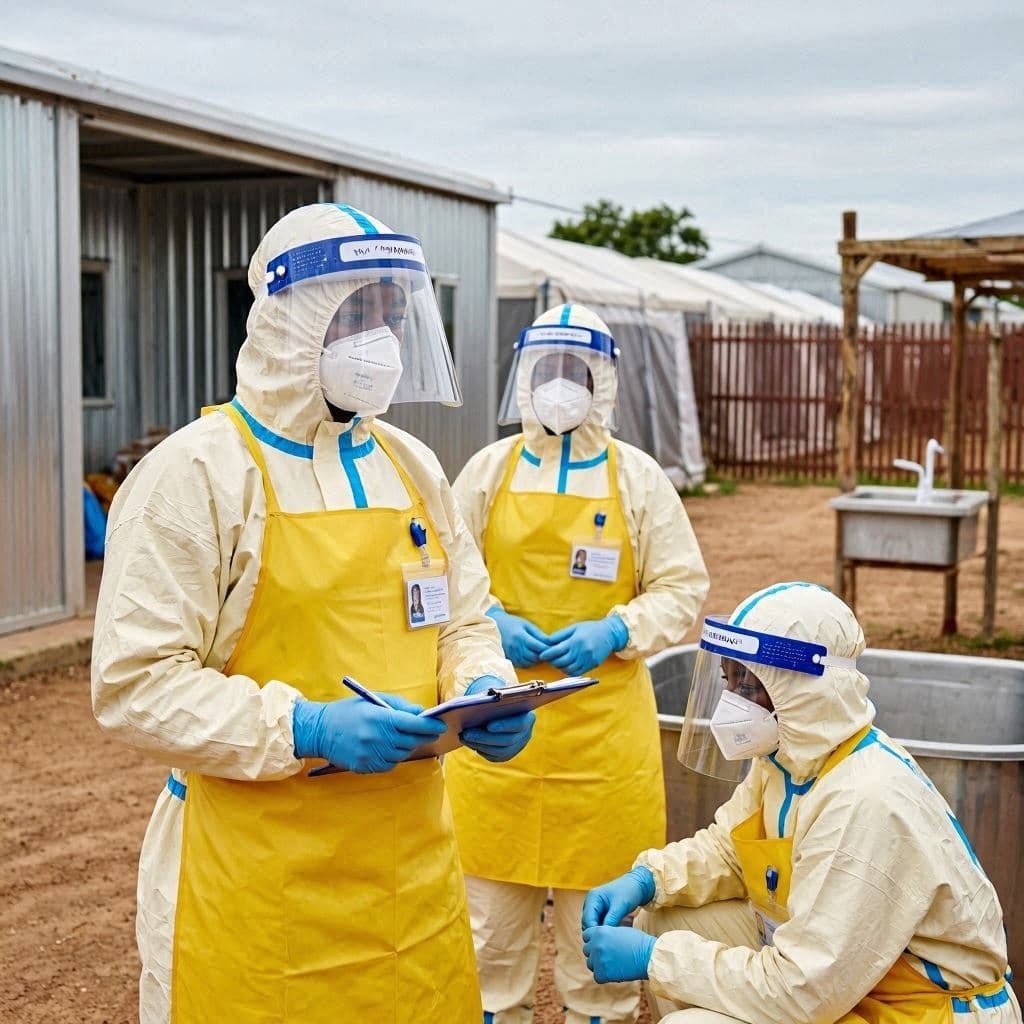
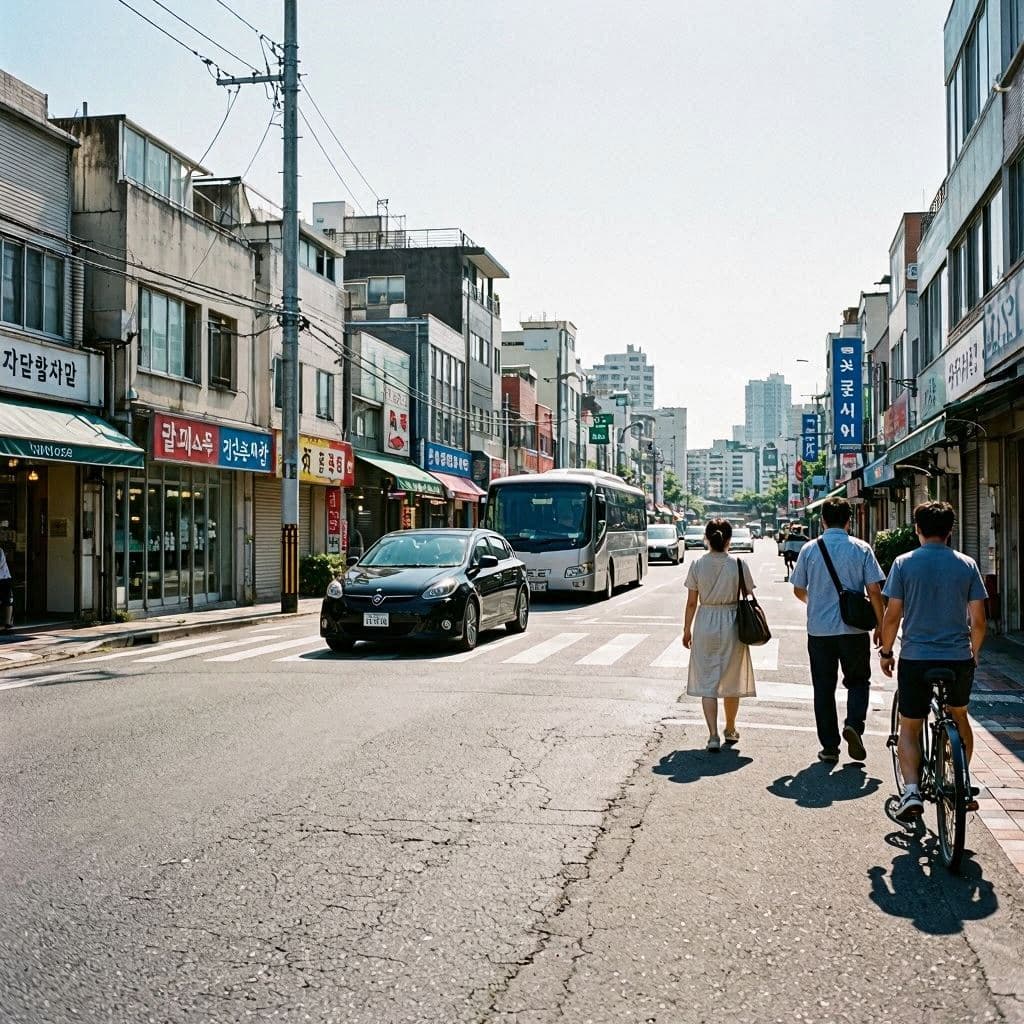
AI Image Disclaimer: The images associated with this article are AI-generated illustrations designed to represent the themes of extreme heat and urban climate challenges.
Sources: Reuters, The Asahi Shimbun, The Independent, Ground News
Note: This article was published on BanxChange.com and is powered by the BXE Token on the XRP Ledger. For the latest articles and news, please visit BanxChange.com