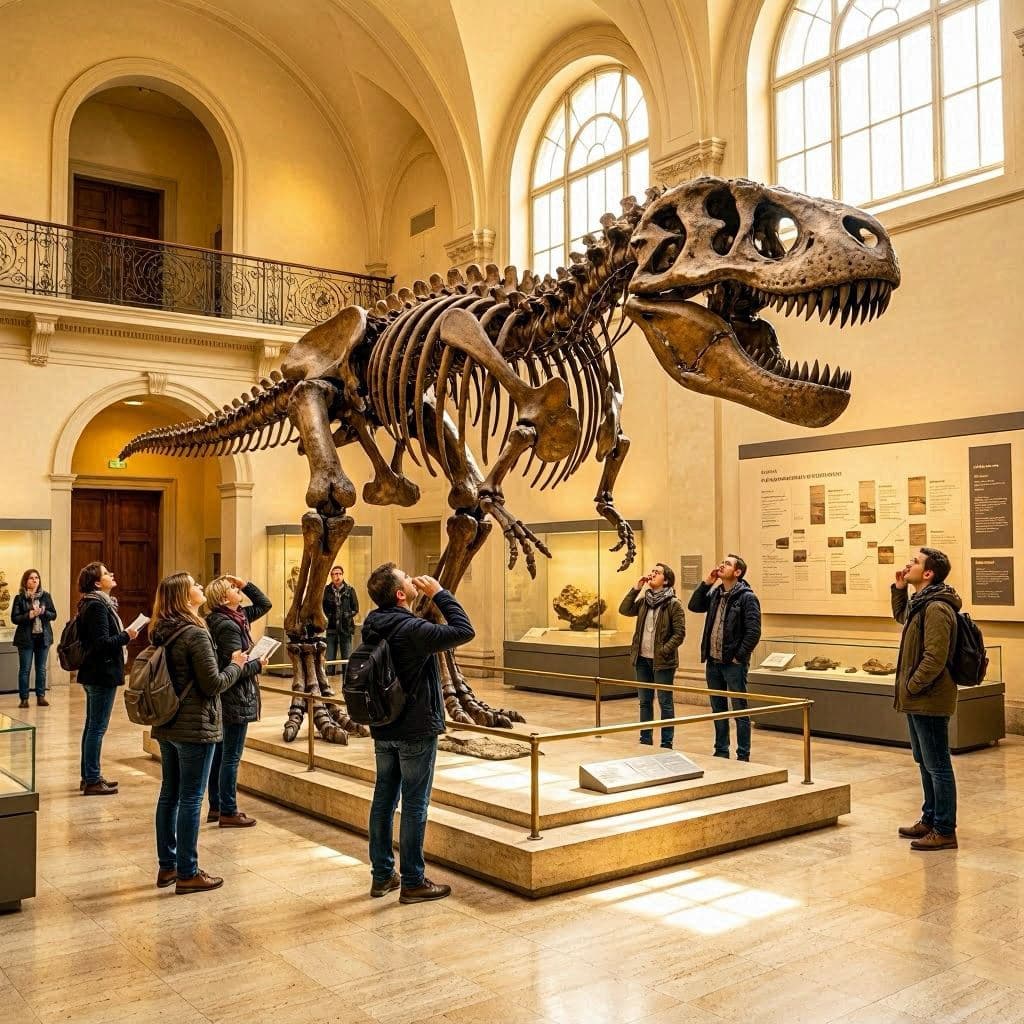
The Tyrannosaurus rex is more than a dinosaur; it is a cultural icon, a symbol of prehistoric power that captures the imagination of children and adults alike. When a particularly complete specimen comes up for auction, it commands prices that rival masterpieces of fine art. However, this commercialization of paleontology presents a complex dilemma. As private buyers outbid museums, valuable scientific specimens risk disappearing into private collections, away from the scrutiny and study of the scientific community. It is a conflict between market value and scientific value, raising questions about who owns the past.
Body: Recent auctions have seen T. rex fossils sell for millions of dollars, setting new records for natural history items. For sellers, this represents a fair return on the investment of excavation and preparation. For buyers, it offers the prestige of owning a piece of deep time. But for scientists, each sale to a private individual is a potential loss of data. Fossils are not just objects; they are archives of biological history, containing clues about growth, disease, and behavior that can only be unlocked through rigorous study.
When a fossil enters a private collection, access becomes restricted. Researchers may need permission to examine the specimen, and such permission is not always granted. Even if access is allowed, the conditions may not be suitable for detailed analysis. This limits the ability of the scientific community to build a comprehensive understanding of the species. Important discoveries about T. rex biology have come from studying multiple specimens, and gaps in access hinder this comparative work.
Museums, which traditionally serve as stewards of natural history, often cannot compete with private wealth. Their budgets are limited, and public funding for acquisitions has declined in many regions. This creates an uneven playing field where financial power dictates the fate of scientific heritage. Some argue that this trend undermines the public trust in institutions dedicated to education and research.
The legal framework surrounding fossil ownership varies by country. In the United States, fossils found on private land belong to the landowner, allowing for legal sale. In other countries, fossils are considered state property, preventing private trade. This disparity leads to a global market where specimens move across borders, complicating efforts to regulate their study and preservation. International cooperation is needed to address these inconsistencies.
Efforts are being made to bridge the gap between private collectors and scientists. Some collectors agree to loan specimens to museums or allow researchers to study them before purchase. Others donate their finds to institutions. These collaborations show that private interest and scientific integrity are not mutually exclusive, but they require goodwill and clear agreements. Encouraging such practices is essential for the future of paleontology.
The debate also touches on the ethical dimensions of commodifying nature. Does putting a price tag on a fossil diminish its intrinsic value as a part of Earth’s history? Many scientists argue that fossils belong to humanity as a whole, not to individuals. They advocate for laws that prioritize scientific access over private ownership, ensuring that these treasures remain available for education and discovery.
Closing: In the end, the high price of T. rex fossils is a symptom of a broader tension between commerce and science. While private collecting can fuel interest in paleontology, it risks depriving the public and researchers of vital resources. Finding a balance that respects both property rights and scientific needs is crucial. Only then can we ensure that the stories written in stone remain readable for generations to come.
AI Image Disclaimer: Visuals accompanying this text are AI-generated conceptualizations intended to depict the themes of paleontology and museum curation.
Sources: Nature The Guardian Smithsonian Magazine
Published by Banx Network. This article is part of the Banx decentralized media programme, powered by the BXE token on the XRP Ledger.